THE ADVENTURE COLLECTIVE® · Independent discovery and booking for outdoor travel

Spend two days at Sirena Biological Station inside Corcovado National Park — boat access, guided forest hikes, river swims and rustic ranger-station lodging. This overnight gives concentrated wildlife viewing and hands-on rainforest experience for fit, prepared travelers.
Spend two days at Sirena Biological Station inside Corcovado National Park — boat access, guided forest hikes, river swims and rustic ranger-station lodging. This overnight gives concentrated wildlife viewing and hands-on rainforest experience for fit, prepared travelers.
The motorboat cuts a low wake as the mainland shrinks and the rainforest rises: humid air, a chorus of distant calls and the small, tarp-roofed pier at Sirena Station come into view. You step ashore into a place where trails are mud and canopy, rivers dare you to cool off, and the ranger station hums with practical, lived-in order.
Verified experiences and guided adventures in the surrounding area.
Operated by Corcovado Info Center · Drake Bay, Puntarenas
The motorboat cuts a low wake as the mainland shrinks and the rainforest rises: humid air, a chorus of distant calls and the small, tarp-roofed pier at Sirena Station come into view. You step ashore into a place where trails are mud and canopy, rivers dare you to cool off, and the ranger station hums with practical, lived-in order.
Corcovado sits on the Osa Peninsula, one of Costa Rica’s most biodiverse corners, where ancient coastal terraces and volcanic uplift shaped steep river valleys and dense lowland rainforest. The Sirena Biological Station has been a research hub for decades and sits at the heart of the park’s protected core; local communities in Drake Bay historically fished these coasts and now work in ecotourism.
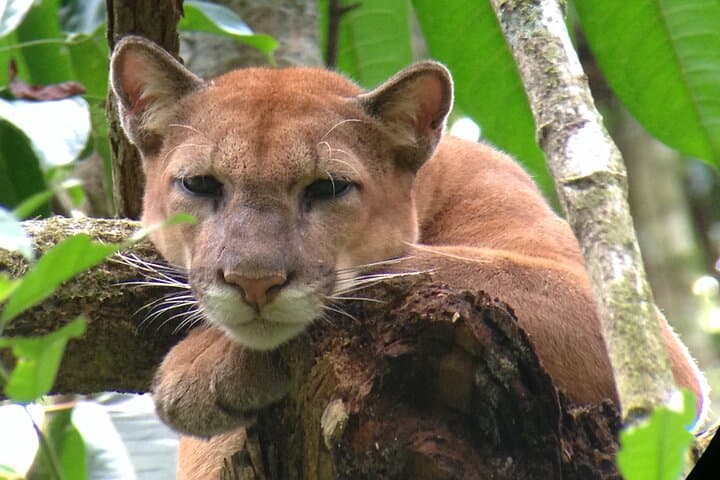
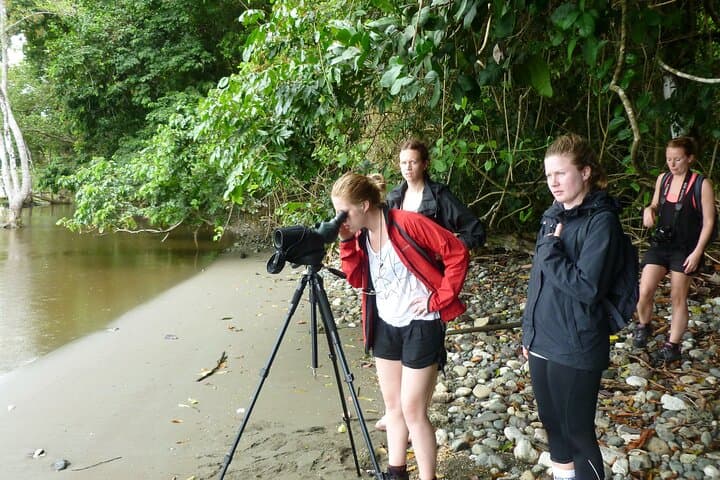
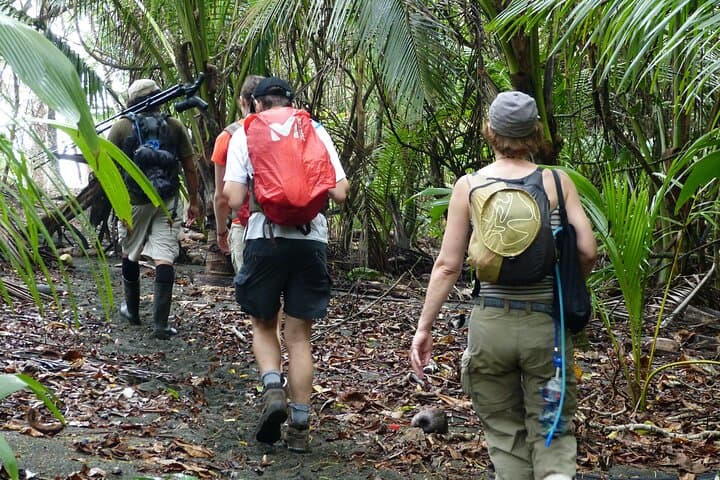
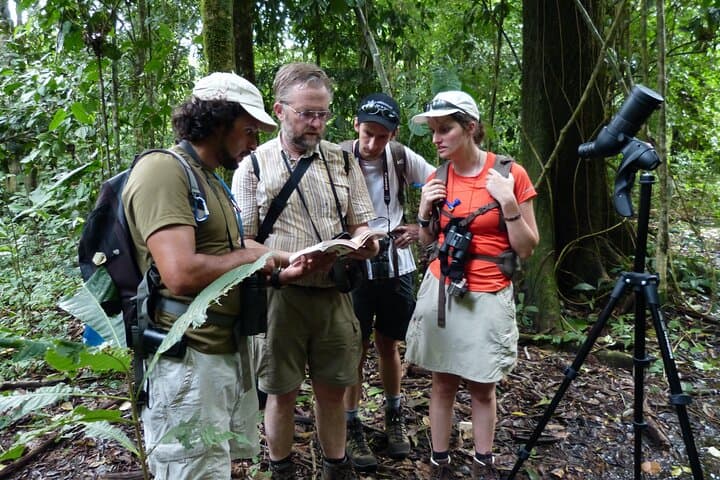
Expect two full days of guided trails: morning and afternoon hikes of three to four hours, river swims, dawn birding and nocturnal listening. Terrain is singletrack through mud, roots and occasional boardwalks; elevation changes are modest but persistent. Wildlife encounters are frequent — scarlet macaws, peccaries, howler monkeys and, if lucky, tapir tracks. Bunk beds, mosquito nets, and communal meals at the ranger station keep logistics simple and rustic.
Practical notes: pack a light rain shell and quick-dry clothing, bring at least 2–3 liters of water capacity or purification tablets, sturdy ankle-support boots, and strong insect repellent. Weather can turn quickly—plan hikes for early morning and late afternoon, and travel light to move comfortably on wet trails. The experience rewards patience: when the canopy opens, a sunrise chorus and a river’s cool splash are the park’s straightforward invitation.
challenging.
2 days.
Expect sustained walking on uneven, often muddy rainforest trails; good aerobic fitness and stable ankles recommended.
Sirena is remote—access by a roughly 1.5-hour boat from Drake Bay. Lodging is communal bunk beds with mosquito nets; expect simple ranger-station amenities.
The itinerary requires moderate to strong fitness and is not recommended for travelers with serious back or spinal problems; infants must sit on laps per operator rules.
Common sightings include scarlet macaws, howler and spider monkeys, coatis, and a wide variety of birds; larger mammals like tapir are possible but less common.
No special permits beyond park admission are typically required for guided stays, but basic travel vaccinations and up-to-date tetanus are advised; check local health guidance for malaria and mosquito precautions.
The Osa Peninsula has long been home to indigenous groups and later small fishing settlements; Sirena became a research and conservation outpost in the 20th century as Costa Rica expanded protected lands.
Corcovado is strictly protected with limited visitor capacity; visitors should follow Leave No Trace principles and support local guides who help fund park conservation.
Corcovado Info Center operates guided outdoor trips and adventures with an emphasis on safety, stewardship, and memorable experiences.
The motorboat cuts a low wake as the mainland shrinks and the rainforest rises: humid air, a chorus of distant calls and the small, tarp-roofed pier at Sirena Station come into view. You step ashore into a place where trails are mud and canopy, rivers dare you to cool off, and the ranger station hums with practical, lived-in order.
The motorboat cuts a low wake as the mainland shrinks and the rainforest rises: humid air, a chorus of distant calls and the small, tarp-roofed pier at Sirena Station come into view. You step ashore into a place where trails are mud and canopy, rivers dare you to cool off, and the ranger station hums with practical, lived-in order.
Corcovado sits on the Osa Peninsula, one of Costa Rica’s most biodiverse corners, where ancient coastal terraces and volcanic uplift shaped steep river valleys and dense lowland rainforest. The Sirena Biological Station has been a research hub for decades and sits at the heart of the park’s protected core; local communities in Drake Bay historically fished these coasts and now work in ecotourism.
Expect two full days of guided trails: morning and afternoon hikes of three to four hours, river swims, dawn birding and nocturnal listening. Terrain is singletrack through mud, roots and occasional boardwalks; elevation changes are modest but persistent. Wildlife encounters are frequent — scarlet macaws, peccaries, howler monkeys and, if lucky, tapir tracks. Bunk beds, mosquito nets, and communal meals at the ranger station keep logistics simple and rustic.
Practical notes: pack a light rain shell and quick-dry clothing, bring at least 2–3 liters of water capacity or purification tablets, sturdy ankle-support boots, and strong insect repellent. Weather can turn quickly—plan hikes for early morning and late afternoon, and travel light to move comfortably on wet trails. The experience rewards patience: when the canopy opens, a sunrise chorus and a river’s cool splash are the park’s straightforward invitation.