THE ADVENTURE COLLECTIVE® · Independent discovery and booking for outdoor travel

A full-day voyage from Drake Bay to Sirena Station puts you inside one of the world’s richest rainforests. Expect a 1h15 boat transfer, several hours of guided hiking on moderately difficult trails, and high chances to spot monkeys, macaws, and other rainforest residents.
A full-day voyage from Drake Bay to Sirena Station puts you inside one of the world’s richest rainforests. Expect a 1h15 boat transfer, several hours of guided hiking on moderately difficult trails, and high chances to spot monkeys, macaws, and other rainforest residents.
Mist hangs low over the Pacific as the boat peels away from Drake Bay—spray on your face, the hull cutting through dark water that seems to dare the rainforest to reach the shore. After roughly 1 hour 15 minutes at sea you step ashore near Sirena Station, a remote clearing where the forest opens and the real work of watching begins.
Verified experiences and guided adventures in the surrounding area.
Operated by Dreams Corcovado · Drake Bay, Puntarenas Province
Mist hangs low over the Pacific as the boat peels away from Drake Bay—spray on your face, the hull cutting through dark water that seems to dare the rainforest to reach the shore. After roughly 1 hour 15 minutes at sea you step ashore near Sirena Station, a remote clearing where the forest opens and the real work of watching begins.
Corcovado National Park protects one of the last large tracts of lowland tropical rainforest in Central America. Created in the 1970s to conserve critical habitat on the Osa Peninsula, Corcovado’s geology is a mix of ancient volcanic soils and coastal terraces that feed the dense, humid forest. Local culture centers on small coastal communities—Drake Bay provides the launch point for visitors and generations of guides who read trails like pages.
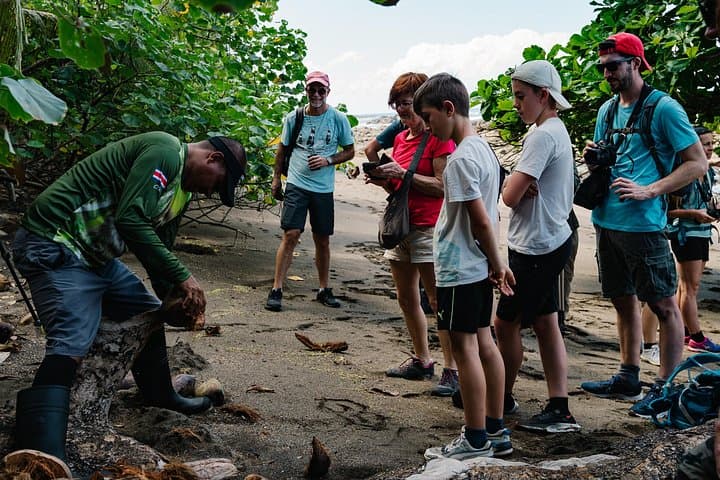
On a standard day tour you’ll follow moderately difficult trails for several hours with a bilingual guide, scanning for monkeys, macaws, peccaries and iguanas. The forest feels active: vines tug at your pack and streams press you to choose rock or root. Expect uneven roots, mud in wet seasons, and long, quiet stretches where the guide’s whisper means something important.
Practical guidance: start early, carry 2–3 liters of water, wear sturdy waterproof hiking shoes and a breathable rain jacket. Bring binoculars and a camera with zoom; insect repellent and covered clothing are essential. The trip is full-day (about 8 hours), includes lunch and park admission, and is best booked through a guide familiar with Sirena’s access rules.
moderate.
8 hours.
Comfortable walking fitness; able to hike 4–6 miles (6–10 km) on uneven, sometimes muddy trails with short elevation changes.
The boat transfer is approximately 1 hour 15 minutes each way, depending on sea conditions and exact landing points.
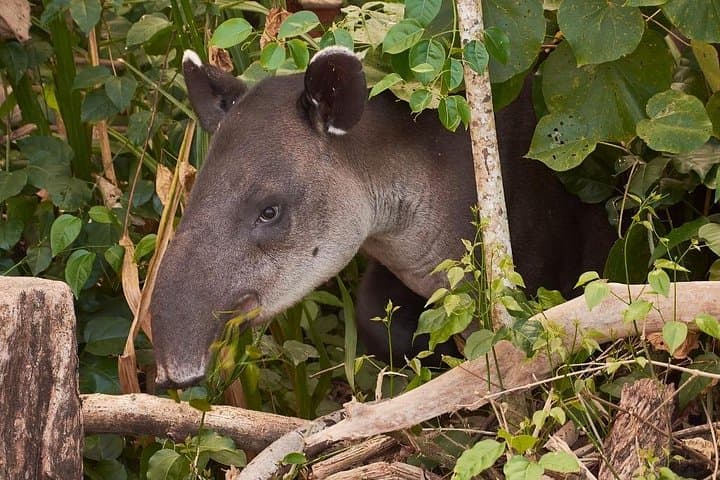
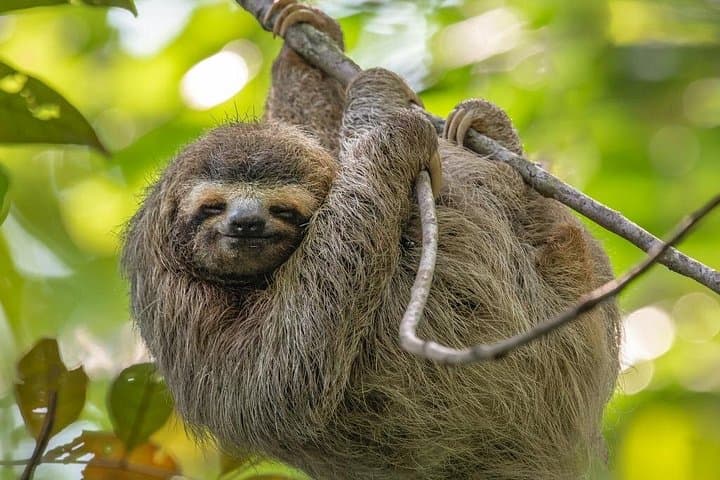
Common sightings include mantled howler monkeys, white-faced capuchins, scarlet macaws, coatis, peccaries and a variety of reptiles and shore birds; big cats are possible but rare.
Sirena has basic, ranger-maintained facilities near the station, but expect rustic conditions; bring hand sanitizer and be prepared for limited privacy.
Tours often cancel for safety in heavy rain or rough seas; verify cancellation policy at booking—this particular offering lists all sales final but may cancel for bad weather or insufficient travelers.
Corcovado was designated a national park in the 1970s to protect the Osa Peninsula’s rainforests and coastal habitats, part of long-term conservation efforts by Costa Rican institutions and local communities.
Access to Sirena is regulated to limit impact—stay on trails, pack out waste, and follow guide instructions to reduce disturbance to sensitive wildlife and habitats.
Dreams Corcovado operates guided outdoor trips and adventures with an emphasis on safety, stewardship, and memorable experiences.
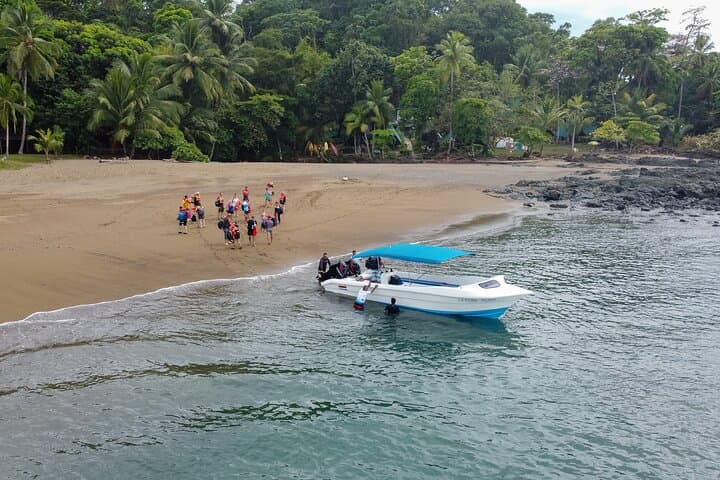
Mist hangs low over the Pacific as the boat peels away from Drake Bay—spray on your face, the hull cutting through dark water that seems to dare the rainforest to reach the shore. After roughly 1 hour 15 minutes at sea you step ashore near Sirena Station, a remote clearing where the forest opens and the real work of watching begins.
Mist hangs low over the Pacific as the boat peels away from Drake Bay—spray on your face, the hull cutting through dark water that seems to dare the rainforest to reach the shore. After roughly 1 hour 15 minutes at sea you step ashore near Sirena Station, a remote clearing where the forest opens and the real work of watching begins.
Corcovado National Park protects one of the last large tracts of lowland tropical rainforest in Central America. Created in the 1970s to conserve critical habitat on the Osa Peninsula, Corcovado’s geology is a mix of ancient volcanic soils and coastal terraces that feed the dense, humid forest. Local culture centers on small coastal communities—Drake Bay provides the launch point for visitors and generations of guides who read trails like pages.
On a standard day tour you’ll follow moderately difficult trails for several hours with a bilingual guide, scanning for monkeys, macaws, peccaries and iguanas. The forest feels active: vines tug at your pack and streams press you to choose rock or root. Expect uneven roots, mud in wet seasons, and long, quiet stretches where the guide’s whisper means something important.
Practical guidance: start early, carry 2–3 liters of water, wear sturdy waterproof hiking shoes and a breathable rain jacket. Bring binoculars and a camera with zoom; insect repellent and covered clothing are essential. The trip is full-day (about 8 hours), includes lunch and park admission, and is best booked through a guide familiar with Sirena’s access rules.