THE ADVENTURE COLLECTIVE® · Independent discovery and booking for outdoor travel

A full-day boat ride from Puerto Jimenez takes you deep into Corcovado National Park to Sirena Station, where five hours of guided rainforest walking offer high chances of seeing tapirs, monkeys, and peccaries. Expect a scenic coastal approach, muddy trails, and a wildlife-focused itinerary with lunch included.
A full-day boat ride from Puerto Jimenez takes you deep into Corcovado National Park to Sirena Station, where five hours of guided rainforest walking offer high chances of seeing tapirs, monkeys, and peccaries. Expect a scenic coastal approach, muddy trails, and a wildlife-focused itinerary with lunch included.
A low-slung boat cuts close to the South Pacific shoreline, waves thudding against its hull as the Osa Peninsula dissolves into a wall of dark rainforest. After roughly 1–1.5 hours you step onto the mud-slick boardwalks of Sirena Station, one of Corcovado National Park’s primary ranger outposts, and the forest immediately takes command: the air tightens with humidity, birds call from the canopy, and the understory rustles with unseen mammals.
Verified experiences and guided adventures in the surrounding area.
Operated by Pacheco Tours · Puerto Jimenez, Puntarenas
A low-slung boat cuts close to the South Pacific shoreline, waves thudding against its hull as the Osa Peninsula dissolves into a wall of dark rainforest. After roughly 1–1.5 hours you step onto the mud-slick boardwalks of Sirena Station, one of Corcovado National Park’s primary ranger outposts, and the forest immediately takes command: the air tightens with humidity, birds call from the canopy, and the understory rustles with unseen mammals.
Corcovado—designated a national park in the mid-1970s—sits on some of Costa Rica’s oldest coastal geology, where steep hills and river-cut valleys form a mosaic of beach, mangrove, and lowland rain forest. Culturally, the Osa has long been sparsely settled; local communities in Puerto Jimenez serve as the gateway for visitors and rely on responsible ecotourism.
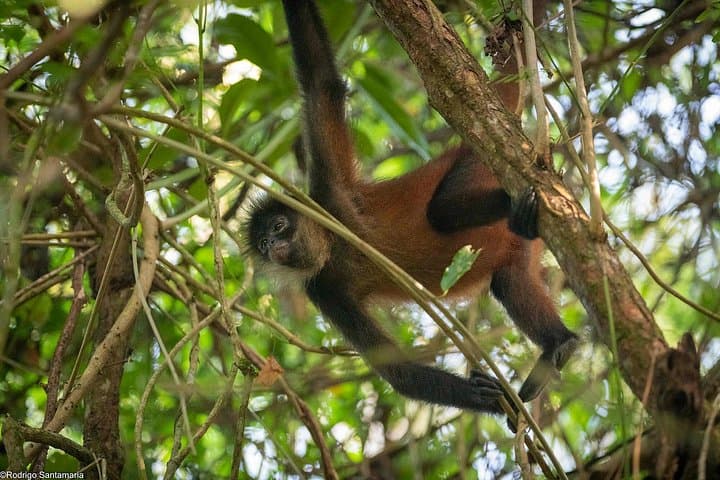
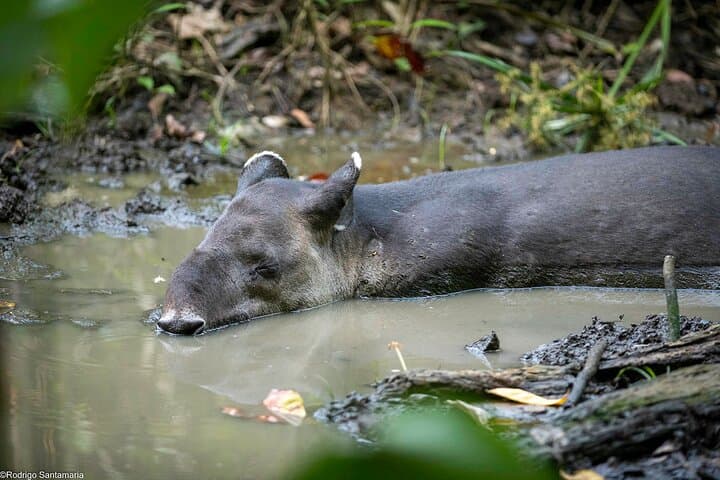
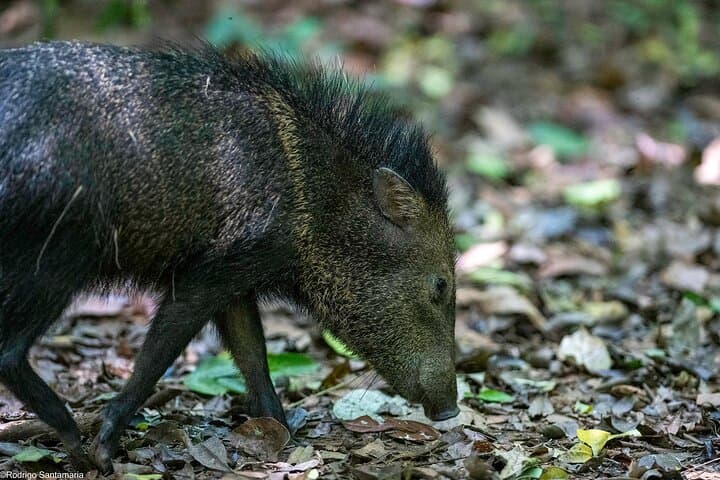
On a typical day trip you’ll ride the coast, disembark at Sirena, and spend about five hours with a guide walking trails that can be flat but often muddy and root-strewn. Wildlife encounters are the draw—white-lipped peccaries, mantled howlers, and the elusive tapir are all possible—but sightings depend on time of year and patience.
Practical guidance: wear waterproof hiking shoes, quick-dry clothes, and a rain jacket; bring 1–2 liters of water, high-DEET repellent, and binoculars. Boat schedules hinge on tides and weather—arrive early, keep passports handy for park registration, and expect a full but rewarding day that returns to Puerto Jimenez mid-afternoon.
moderate.
8 hours.
Moderate fitness: able to walk 5 hours on uneven, sometimes muddy terrain in humid conditions.
The coastal boat ride is typically 1–1.5 hours each way depending on sea conditions and tides.
Wildlife sightings are common but not guaranteed—early and quiet walking increases chances of spotting monkeys, peccaries, and sometimes tapir.
Yes—trails are generally not technical, but humidity, mud, and length mean basic fitness and good footwear are required.
This all-inclusive tour usually covers boat transport, park fees, a certified guide, lunch, and return transport to Puerto Jimenez as stated on the booking page.
Corcovado National Park was established in the 1970s to protect one of Costa Rica’s last expanses of coastal lowland rainforest and its extraordinary biodiversity.
Corcovado is ecologically sensitive; visitors should stay on trails, avoid single-use plastics, and follow guide instructions to minimize disturbance.
Pacheco Tours operates guided outdoor trips and adventures with an emphasis on safety, stewardship, and memorable experiences.
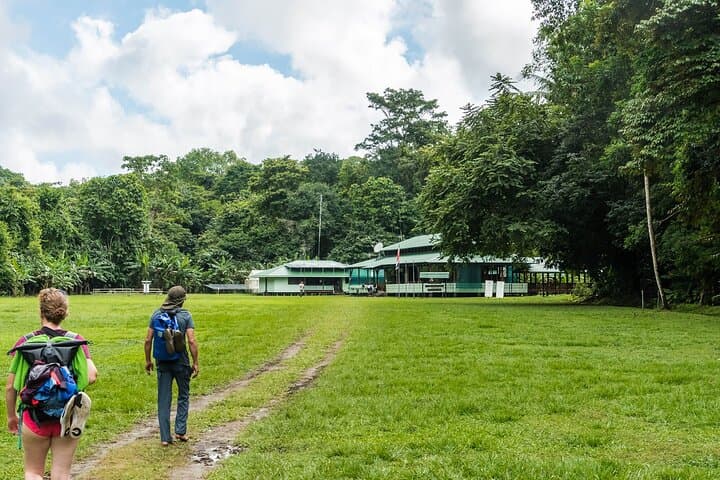
A low-slung boat cuts close to the South Pacific shoreline, waves thudding against its hull as the Osa Peninsula dissolves into a wall of dark rainforest. After roughly 1–1.5 hours you step onto the mud-slick boardwalks of Sirena Station, one of Corcovado National Park’s primary ranger outposts, and the forest immediately takes command: the air tightens with humidity, birds call from the canopy, and the understory rustles with unseen mammals.
A low-slung boat cuts close to the South Pacific shoreline, waves thudding against its hull as the Osa Peninsula dissolves into a wall of dark rainforest. After roughly 1–1.5 hours you step onto the mud-slick boardwalks of Sirena Station, one of Corcovado National Park’s primary ranger outposts, and the forest immediately takes command: the air tightens with humidity, birds call from the canopy, and the understory rustles with unseen mammals.
Corcovado—designated a national park in the mid-1970s—sits on some of Costa Rica’s oldest coastal geology, where steep hills and river-cut valleys form a mosaic of beach, mangrove, and lowland rain forest. Culturally, the Osa has long been sparsely settled; local communities in Puerto Jimenez serve as the gateway for visitors and rely on responsible ecotourism.
On a typical day trip you’ll ride the coast, disembark at Sirena, and spend about five hours with a guide walking trails that can be flat but often muddy and root-strewn. Wildlife encounters are the draw—white-lipped peccaries, mantled howlers, and the elusive tapir are all possible—but sightings depend on time of year and patience.
Practical guidance: wear waterproof hiking shoes, quick-dry clothes, and a rain jacket; bring 1–2 liters of water, high-DEET repellent, and binoculars. Boat schedules hinge on tides and weather—arrive early, keep passports handy for park registration, and expect a full but rewarding day that returns to Puerto Jimenez mid-afternoon.