THE ADVENTURE COLLECTIVE® · Independent discovery and booking for outdoor travel

A private full-day tour from Siracusa that pairs UNESCO-listed ancient sites with coastal scenery: visit Agrigento’s Valley of the Temples, the mosaics of Villa Romana del Casale, and the white cliffs of Scala dei Turchi in one day. Practical pacing and transport make it accessible to most travelers.
A private full-day tour from Siracusa that pairs UNESCO-listed ancient sites with coastal scenery: visit Agrigento’s Valley of the Temples, the mosaics of Villa Romana del Casale, and the white cliffs of Scala dei Turchi in one day. Practical pacing and transport make it accessible to most travelers.
The minivan slips out of Syracuse before dawn, and by mid-morning the road opens to olive groves and low hills. Light catches the ruins above Agrigento and the Doric columns of the Valley of the Temples loom like architecture holding back time. Later, the white face of Scala dei Turchi shivers under the sun, a pale cliff daring the sea to reclaim it; between them, the Villa Romana del Casale displays mosaics that still tell local stories in stone.
Verified experiences and guided adventures in the surrounding area.
Operated by Mysicilyguide T.O. · Agrigento, Sicily
The minivan slips out of Syracuse before dawn, and by mid-morning the road opens to olive groves and low hills. Light catches the ruins above Agrigento and the Doric columns of the Valley of the Temples loom like architecture holding back time. Later, the white face of Scala dei Turchi shivers under the sun, a pale cliff daring the sea to reclaim it; between them, the Villa Romana del Casale displays mosaics that still tell local stories in stone.
This route threads Sicily’s layered past: Greek colonists established Akragas here in the 6th century BCE, leaving imposing temples and urban traces; Roman villas later asserted rural wealth, and the Scala dei Turchi is the product of marine-deposited marl shaped by waves and wind. Cultural reading is immediate—stone inscriptions, mosaic panels, and seaside landforms each speak to different eras of settlement and resource use.
Expect easy walking at all sites but uneven surfaces and steps at the temples and the villa. The tour is largely driver-led with guided stops; bottled water and air-conditioned transport are standard. Plan for long days—this is a full-day loop across western Sicily—so timing, sun protection, and comfortable shoes are essential.
Practical rhythm: arrive at the Valley of the Temples early to avoid midday heat and crowds, save Scala dei Turchi for a late-afternoon light if you want photographs, and allow 60–90 minutes for the mosaics at Piazza Armerina. Respect fenced areas—archaeology and fragile cliffs require distance. With straightforward logistics and rich contrast between sea and ruin, this circuit offers compact geology, layered history, and a clear sense of Sicilian scale.
easy.
10 hours.
Suitable for light to moderate fitness; involves multiple short walks and standing periods.
The tour runs about 10 hours and typically includes a private air-conditioned minivan, bottled water, parking fees, and driver; museum or site entrance fees may or may not be included—confirm at booking.
Transport and some viewing areas are accessible, but ancient sites have uneven ground and steps that limit full access to all areas—check specifics with the operator before booking.
Yes; infant seats are available and strollers can be used in some areas, though rough surfaces at archaeological sites mean parents should be prepared to carry children short distances.
Spring (April–June) and fall (September–October) balance milder temperatures and fewer crowds; summer is busy and hot but offers long daylight hours.
Agrigento (ancient Akragas) was a major Greek colony in Sicily; later Roman wealth is visible in the Villa Romana del Casale’s extensive mosaics.
All three sites are UNESCO-listed or protected—stick to paths, avoid touching mosaics, and be mindful of erosion at Scala dei Turchi where climbing is discouraged to prevent damage.
Mysicilyguide T.O. operates guided outdoor trips and adventures with an emphasis on safety, stewardship, and memorable experiences.
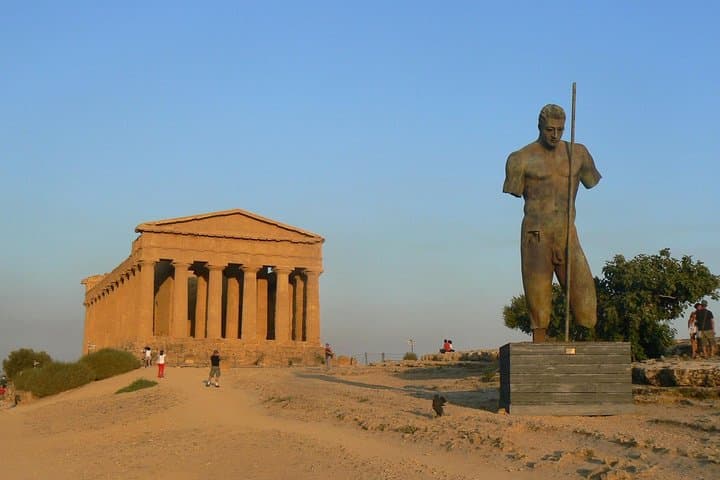
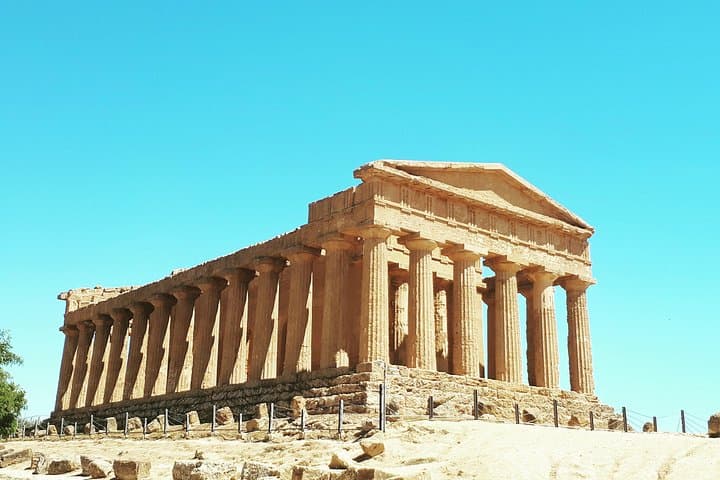
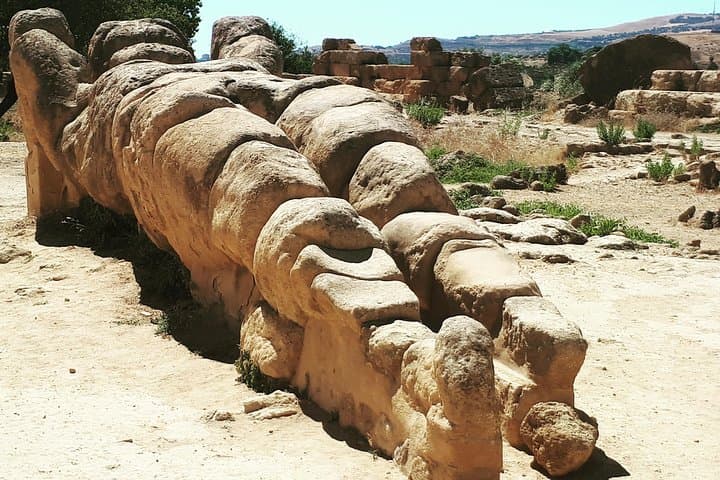
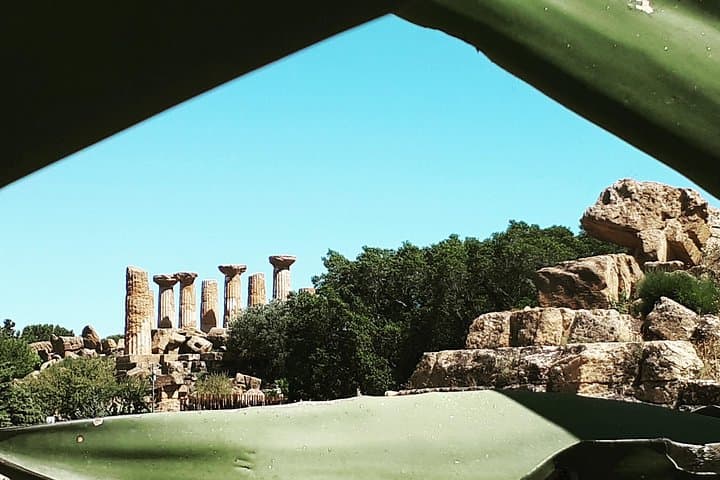
The minivan slips out of Syracuse before dawn, and by mid-morning the road opens to olive groves and low hills. Light catches the ruins above Agrigento and the Doric columns of the Valley of the Temples loom like architecture holding back time. Later, the white face of Scala dei Turchi shivers under the sun, a pale cliff daring the sea to reclaim it; between them, the Villa Romana del Casale displays mosaics that still tell local stories in stone.
The minivan slips out of Syracuse before dawn, and by mid-morning the road opens to olive groves and low hills. Light catches the ruins above Agrigento and the Doric columns of the Valley of the Temples loom like architecture holding back time. Later, the white face of Scala dei Turchi shivers under the sun, a pale cliff daring the sea to reclaim it; between them, the Villa Romana del Casale displays mosaics that still tell local stories in stone.
This route threads Sicily’s layered past: Greek colonists established Akragas here in the 6th century BCE, leaving imposing temples and urban traces; Roman villas later asserted rural wealth, and the Scala dei Turchi is the product of marine-deposited marl shaped by waves and wind. Cultural reading is immediate—stone inscriptions, mosaic panels, and seaside landforms each speak to different eras of settlement and resource use.
Expect easy walking at all sites but uneven surfaces and steps at the temples and the villa. The tour is largely driver-led with guided stops; bottled water and air-conditioned transport are standard. Plan for long days—this is a full-day loop across western Sicily—so timing, sun protection, and comfortable shoes are essential.
Practical rhythm: arrive at the Valley of the Temples early to avoid midday heat and crowds, save Scala dei Turchi for a late-afternoon light if you want photographs, and allow 60–90 minutes for the mosaics at Piazza Armerina. Respect fenced areas—archaeology and fragile cliffs require distance. With straightforward logistics and rich contrast between sea and ruin, this circuit offers compact geology, layered history, and a clear sense of Sicilian scale.