THE ADVENTURE COLLECTIVE® · Independent discovery and booking for outdoor travel

A full-day trek along Mt. Elgon’s eastern escarpment, the Sipi Falls hike delivers three dramatic waterfalls, coffee-farm stops and optional rope-work. Perfect for hikers with moderate fitness who want geology, culture and a hands-on local guide.
A full-day trek along Mt. Elgon’s eastern escarpment, the Sipi Falls hike delivers three dramatic waterfalls, coffee-farm stops and optional rope-work. Perfect for hikers with moderate fitness who want geology, culture and a hands-on local guide.
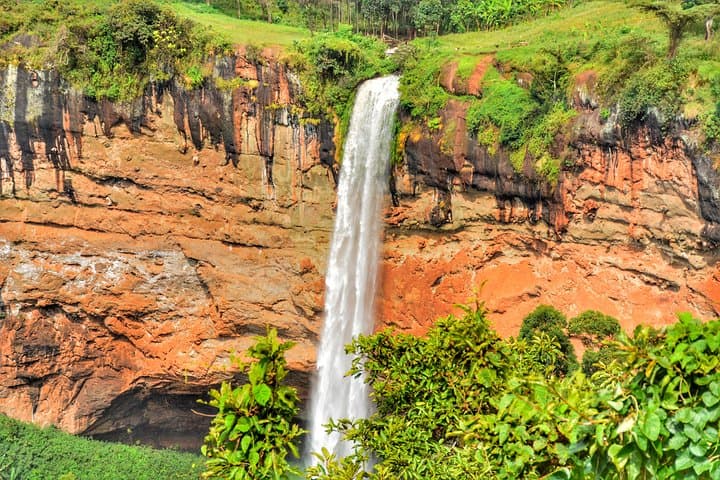
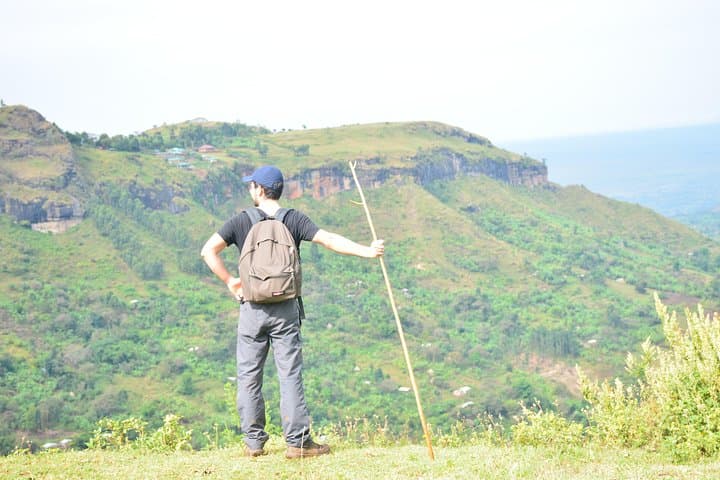
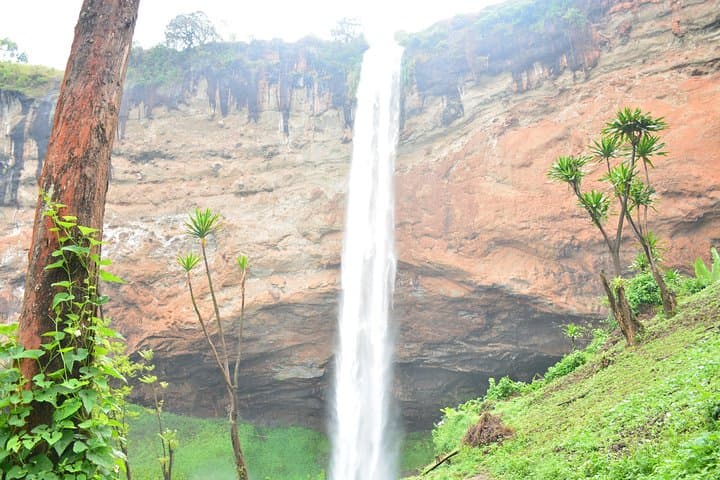
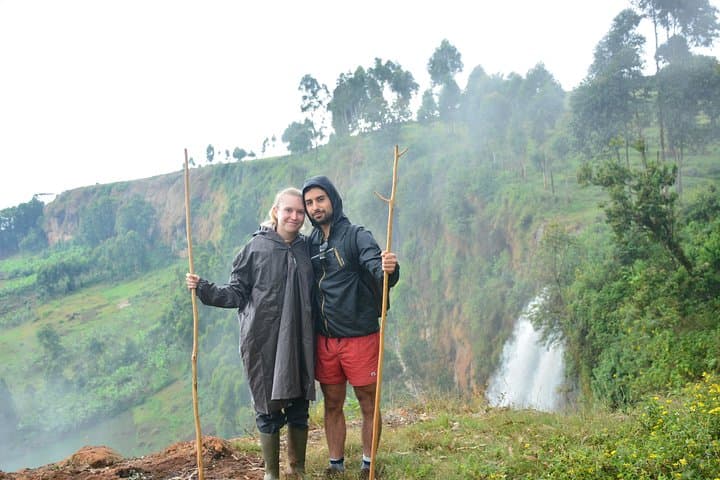
A ribbon of mist rises from the ravine as you step onto the trail—Sipi Falls’ three cataracts troubleshoot the slope like pages in a geography book. The path climbs volcanic ridges, threads coffee terraces and open grassland, and opens at viewpoints where water slices the cliff in three distinct drops. Guides pause to point out drip-fed pools and the sound of falling water that seems to set the day’s pace.
Verified experiences and guided adventures in the surrounding area.
Operated by Discover Sipi · Kapchorwa, Eastern Region
A ribbon of mist rises from the ravine as you step onto the trail—Sipi Falls’ three cataracts troubleshoot the slope like pages in a geography book. The path climbs volcanic ridges, threads coffee terraces and open grassland, and opens at viewpoints where water slices the cliff in three distinct drops. Guides pause to point out drip-fed pools and the sound of falling water that seems to set the day’s pace.
Geologically the falls sit on the eastern escarpment of Mt. Elgon, an extinct shield volcano whose basalt and ash flows have shaped steep gullies and fertile soils. Culturally the area is homeland to the Bagisu (Bamasaba) people, known for coffee husbandry and the Imbalu circumcision rites—local guides often weave stories of land stewardship and coffee lore into the hike.
Expect roughly 6–8 km of walking on a full-day circuit with steep sections, rocky steps and muddy stretches after rain, and elevations between about 1,700–2,100 m. The route can include optional activities—abseiling at a cliff face, exploring shallow caves, and a short coffee-farm visit—so pacing depends on your group.
Practical essentials: start early for best light and firmer trails, carry 2–3 liters of water, wear grippy hiking shoes, and bring layered rain protection—the weather changes fast at these heights. Local guides handle permits and show safer lines for steeper descents. With moderate fitness, the Sipi Falls day hike is an immersive way to read Mt. Elgon’s geology, meet coffee producers, and let the falls’ voice drive the itinerary.
moderate.
8–10 hours.
Moderate fitness—comfortable walking on uneven terrain and short steep sections; some stamina for continuous uphill stretches.
The full-day circuit is typically 6–8 km with steep stretches and uneven footing; classified moderate—expect multiple hours of continuous walking with short, steep climbs.
Local guides are strongly recommended and usually handle any local access arrangements; guides provide navigation, cultural context and safety on steep sections.
Wear grippy hiking shoes, layered clothing, and bring 2–3 L of water, sun protection, rain gear and cash for local purchases.
Not recommended for travelers with serious heart or spinal conditions or for pregnant guests; moderate fitness is required—children should be supervised and may need shorter routes.
Sipi sits on the slopes of Mt. Elgon, used for centuries by local Bagisu communities for grazing, ritual and coffee cultivation; the falls were a route for trade and local storytelling.
Soil erosion and small-scale logging are local pressures; using local guides and sticking to trails helps minimize impact, and many guides support community conservation through responsible fees.
Discover Sipi operates guided outdoor trips and adventures with an emphasis on safety, stewardship, and memorable experiences.
A ribbon of mist rises from the ravine as you step onto the trail—Sipi Falls’ three cataracts troubleshoot the slope like pages in a geography book. The path climbs volcanic ridges, threads coffee terraces and open grassland, and opens at viewpoints where water slices the cliff in three distinct drops. Guides pause to point out drip-fed pools and the sound of falling water that seems to set the day’s pace.
A ribbon of mist rises from the ravine as you step onto the trail—Sipi Falls’ three cataracts troubleshoot the slope like pages in a geography book. The path climbs volcanic ridges, threads coffee terraces and open grassland, and opens at viewpoints where water slices the cliff in three distinct drops. Guides pause to point out drip-fed pools and the sound of falling water that seems to set the day’s pace.
Geologically the falls sit on the eastern escarpment of Mt. Elgon, an extinct shield volcano whose basalt and ash flows have shaped steep gullies and fertile soils. Culturally the area is homeland to the Bagisu (Bamasaba) people, known for coffee husbandry and the Imbalu circumcision rites—local guides often weave stories of land stewardship and coffee lore into the hike.
Expect roughly 6–8 km of walking on a full-day circuit with steep sections, rocky steps and muddy stretches after rain, and elevations between about 1,700–2,100 m. The route can include optional activities—abseiling at a cliff face, exploring shallow caves, and a short coffee-farm visit—so pacing depends on your group.
Practical essentials: start early for best light and firmer trails, carry 2–3 liters of water, wear grippy hiking shoes, and bring layered rain protection—the weather changes fast at these heights. Local guides handle permits and show safer lines for steeper descents. With moderate fitness, the Sipi Falls day hike is an immersive way to read Mt. Elgon’s geology, meet coffee producers, and let the falls’ voice drive the itinerary.