THE ADVENTURE COLLECTIVE® · Independent discovery and booking for outdoor travel

Spend a day in Yame tasting its world-class tea and local sake, with panoramic views, a matcha grinding session, and guided tastings. This full-day cultural and gastronomic tour pairs easy walking with intimate, hands-on experiences.
Spend a day in Yame tasting its world-class tea and local sake, with panoramic views, a matcha grinding session, and guided tastings. This full-day cultural and gastronomic tour pairs easy walking with intimate, hands-on experiences.
You step onto an observation deck above tiered rows of tea—young shoots catching the morning light like a folded green map. The terraces roll toward the Ariake Sea on clear days, and the air carries the vegetal sharpness of freshly cut leaves. This is Yame, where tea feels less like a crop and more like a practiced rhythm.
Verified experiences and guided adventures in the surrounding area.
Operated by H.I.S.Co., Ltd. · Yame, Fukuoka Prefecture
You step onto an observation deck above tiered rows of tea—young shoots catching the morning light like a folded green map. The terraces roll toward the Ariake Sea on clear days, and the air carries the vegetal sharpness of freshly cut leaves. This is Yame, where tea feels less like a crop and more like a practiced rhythm.
Yame tea has been cultivated here for centuries; local growers refined shading and steaming techniques that produce a high-catechin, richly aromatic leaf prized across Japan. The landscape sits on gently rolling hills and weathered volcanic soils, soils that drain well and help concentrate flavor in the leaves. Nearby, small breweries turned to rice and water from the same hills, creating sakes shaped by the same terroir.
The tour moves deliberately: observation deck views, the Tea Culture Museum with a hands-on matcha grinding session, a local lunch highlighting tea-infused ingredients, and a sake tasting in a quiet hanare room at Mori no Kura. Guides translate techniques and stories—how shading alters amino acids, why wagashi pairs with matcha, and how local brewers approach rice polishing.
Practical notes: this is a full-day, guided, wheelchair-accessible excursion that uses an air-conditioned vehicle and involves short, easy walks around terraces and museum spaces. Bring a light jacket for hilltop breezes, slip-resistant shoes for muddy paths after rain, and a reusable bottle to stay hydrated between tastings. Book early—the tour needs a minimum number of participants and can be rescheduled if numbers fall short.
easy.
9–10 hours.
Suitable for most fitness levels; requires only short, gentle walks and standing during tastings.
The tour departs from central Fukuoka pickup points provided at booking and returns to Fukuoka at the end of the day; exact pickup times vary by date.
Yes—sites visited and transportation are described as wheelchair accessible, though assistance availability should be confirmed when booking.
Yes—the operator requests advance notice of allergies or dietary restrictions since lunch and wagashi are provided.
If the minimum of 15 participants is not met seven days before departure, the tour may be canceled and you will be notified for a full refund or rescheduling options.
Yame has produced high-grade tea since the Edo period, with farmers refining shading and steaming techniques that define modern Yame-cha.
Local farms practice careful pruning and soil management to preserve slope stability and water quality; visitors are encouraged to stay on paths and avoid disturbing plants.
H.I.S.Co., Ltd. operates guided outdoor trips and adventures with an emphasis on safety, stewardship, and memorable experiences.
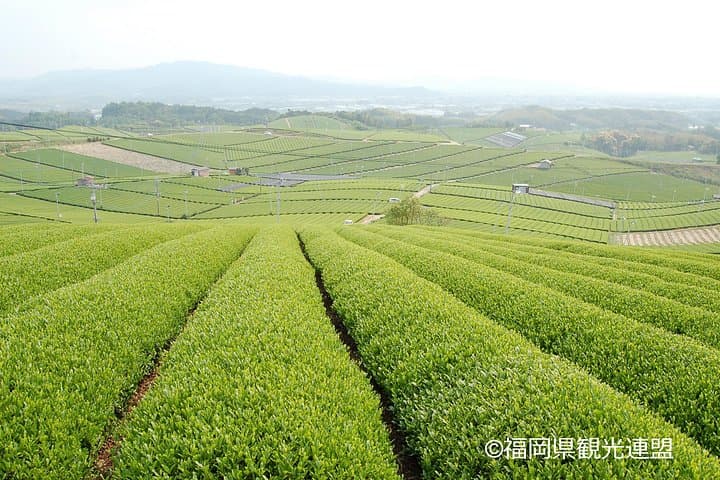
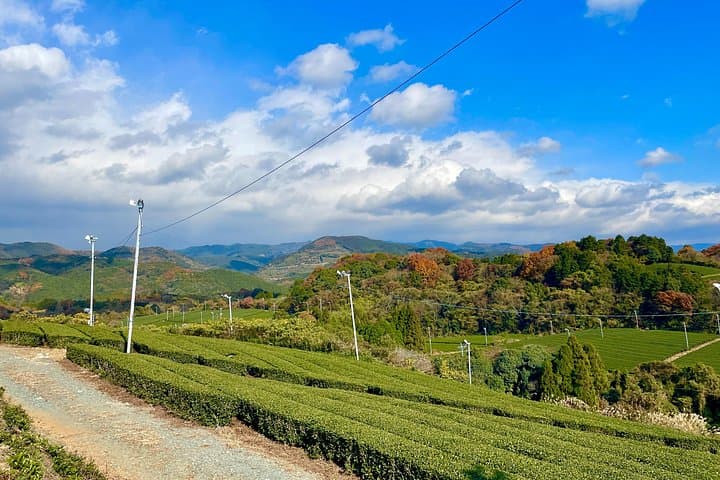
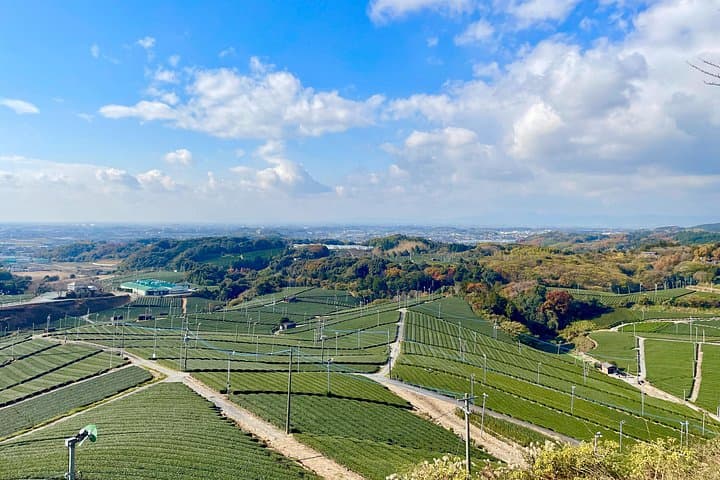
You step onto an observation deck above tiered rows of tea—young shoots catching the morning light like a folded green map. The terraces roll toward the Ariake Sea on clear days, and the air carries the vegetal sharpness of freshly cut leaves. This is Yame, where tea feels less like a crop and more like a practiced rhythm.
You step onto an observation deck above tiered rows of tea—young shoots catching the morning light like a folded green map. The terraces roll toward the Ariake Sea on clear days, and the air carries the vegetal sharpness of freshly cut leaves. This is Yame, where tea feels less like a crop and more like a practiced rhythm.
Yame tea has been cultivated here for centuries; local growers refined shading and steaming techniques that produce a high-catechin, richly aromatic leaf prized across Japan. The landscape sits on gently rolling hills and weathered volcanic soils, soils that drain well and help concentrate flavor in the leaves. Nearby, small breweries turned to rice and water from the same hills, creating sakes shaped by the same terroir.
The tour moves deliberately: observation deck views, the Tea Culture Museum with a hands-on matcha grinding session, a local lunch highlighting tea-infused ingredients, and a sake tasting in a quiet hanare room at Mori no Kura. Guides translate techniques and stories—how shading alters amino acids, why wagashi pairs with matcha, and how local brewers approach rice polishing.
Practical notes: this is a full-day, guided, wheelchair-accessible excursion that uses an air-conditioned vehicle and involves short, easy walks around terraces and museum spaces. Bring a light jacket for hilltop breezes, slip-resistant shoes for muddy paths after rain, and a reusable bottle to stay hydrated between tastings. Book early—the tour needs a minimum number of participants and can be rescheduled if numbers fall short.