THE ADVENTURE COLLECTIVE® · Independent discovery and booking for outdoor travel

Walk Hanoi’s Old Quarter to taste egg coffee, coconut and yogurt-infused brews while a local guide traces the city’s coffee history. This two-hour walking tour mixes small-batch tastings with insider stories and accessible routes.
Walk Hanoi’s Old Quarter to taste egg coffee, coconut and yogurt-infused brews while a local guide traces the city’s coffee history. This two-hour walking tour mixes small-batch tastings with insider stories and accessible routes.
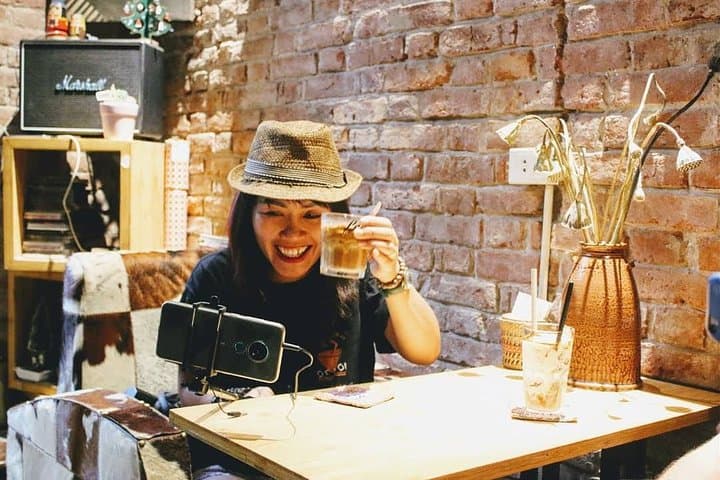
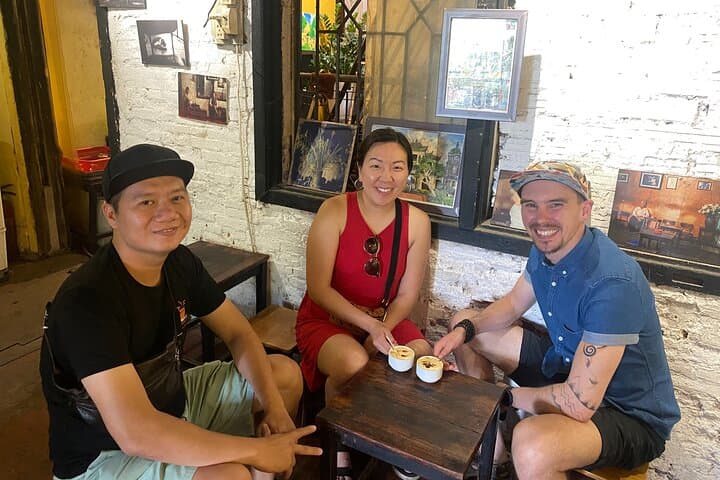
The tour begins on a 9 a.m. morning in Hanoi’s Old Quarter, where steam rises from alleyway cups and the aroma of roasted beans threads through motorbike traffic. You walk into narrow streets flanked by low wooden shopfronts; a local guide leads you from one hidden cafe to the next, each stop a small stage for Vietnam’s bold coffee culture.
Verified experiences and guided adventures in the surrounding area.
Operated by A Taste of Hanoi · Hanoi, Hanoi
The tour begins on a 9 a.m. morning in Hanoi’s Old Quarter, where steam rises from alleyway cups and the aroma of roasted beans threads through motorbike traffic. You walk into narrow streets flanked by low wooden shopfronts; a local guide leads you from one hidden cafe to the next, each stop a small stage for Vietnam’s bold coffee culture.
Historically, coffee arrived in Vietnam under French colonial influence; the country’s fertile Red River Delta and focus on robusta varieties later turned it into a global Robusta leader. The Old Quarter holds a more intimate history—cafes like the one credited with inventing egg coffee in the mid-20th century shaped local tastes and techniques. Geologically the city sits on alluvial plains, so expect flat strolls across compacted pavement, alleys and occasional steep cafe stairs.
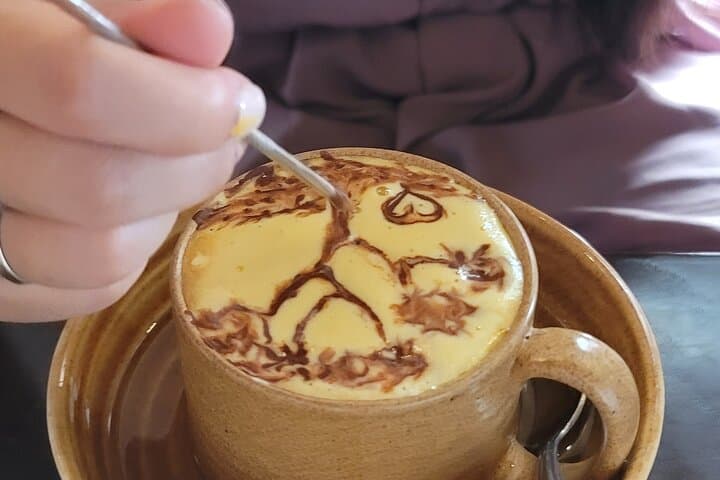
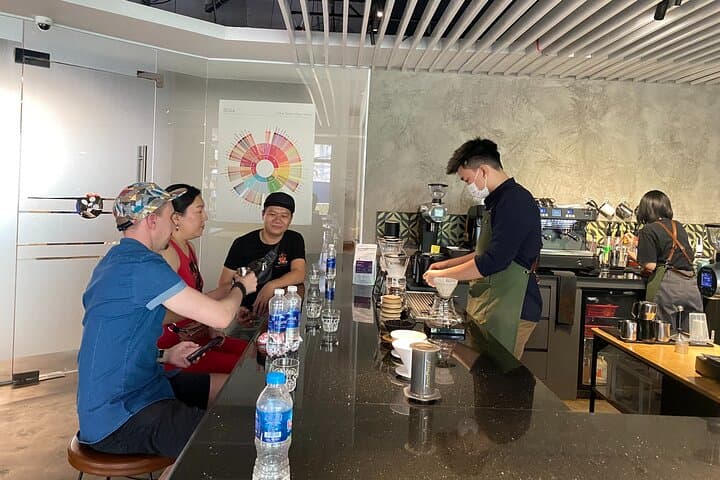
Culturally this is a tasting-driven walk: expect ca phe sua da (iced milk coffee), condensed-milk variations, coconut and salt-infused versions, yogurt coffee, and the silky egg coffee that defines Hanoi’s signature cup. The guide shares origin stories, brewing methods, and how single-origin pour-overs contrast with traditional robusta blends.
Practical guidance: the route covers roughly 1–2 km over 90–120 minutes, mostly on sidewalks and narrow lanes with a few stairs—wheelchair-accessible options are noted at booking. Carry small bills for extra purchases, dress for humid city weather, and keep a reusable bottle; samples are small but rich. Go early to avoid peak traffic noise and to experience cafes at their most authentic.
easy.
1.5–2 hours.
Suitable for all fitness levels; requires short periods of standing and 1–2 km of easy walking
The tour runs about 1.5–2 hours and typically departs at 9:00 a.m.; confirm the exact meeting time on your booking.
Coffee and tea tastings are included; portions are sample-sized so you can try multiple styles without overfilling.
Many stops are wheelchair accessible and accessibility is noted at booking, but some historic cafes may have stairs—notify organizers of needs in advance.
Tours are usually led by a local guide who speaks English; check the booking page or ask at reservation time for other language options.
Coffee culture in Hanoi evolved from French colonial introduction to uniquely Vietnamese styles—egg coffee was created in Hanoi in the mid-20th century and became a local specialty.
Bring a reusable cup and bottle to reduce single-use waste; support family-run cafes to help sustain traditional local businesses.
A Taste of Hanoi operates guided outdoor trips and adventures with an emphasis on safety, stewardship, and memorable experiences.
The tour begins on a 9 a.m. morning in Hanoi’s Old Quarter, where steam rises from alleyway cups and the aroma of roasted beans threads through motorbike traffic. You walk into narrow streets flanked by low wooden shopfronts; a local guide leads you from one hidden cafe to the next, each stop a small stage for Vietnam’s bold coffee culture.
The tour begins on a 9 a.m. morning in Hanoi’s Old Quarter, where steam rises from alleyway cups and the aroma of roasted beans threads through motorbike traffic. You walk into narrow streets flanked by low wooden shopfronts; a local guide leads you from one hidden cafe to the next, each stop a small stage for Vietnam’s bold coffee culture.
Historically, coffee arrived in Vietnam under French colonial influence; the country’s fertile Red River Delta and focus on robusta varieties later turned it into a global Robusta leader. The Old Quarter holds a more intimate history—cafes like the one credited with inventing egg coffee in the mid-20th century shaped local tastes and techniques. Geologically the city sits on alluvial plains, so expect flat strolls across compacted pavement, alleys and occasional steep cafe stairs.
Culturally this is a tasting-driven walk: expect ca phe sua da (iced milk coffee), condensed-milk variations, coconut and salt-infused versions, yogurt coffee, and the silky egg coffee that defines Hanoi’s signature cup. The guide shares origin stories, brewing methods, and how single-origin pour-overs contrast with traditional robusta blends.
Practical guidance: the route covers roughly 1–2 km over 90–120 minutes, mostly on sidewalks and narrow lanes with a few stairs—wheelchair-accessible options are noted at booking. Carry small bills for extra purchases, dress for humid city weather, and keep a reusable bottle; samples are small but rich. Go early to avoid peak traffic noise and to experience cafes at their most authentic.