THE ADVENTURE COLLECTIVE® · Independent discovery and booking for outdoor travel

Taste Korčula’s distinctive Grk and other island varietals during a relaxed 4–4.5 hour tour from Korčula Town. Short vineyard walks, two family wineries and regional snacks make this a compact, immersive introduction to Lumbarda’s wine culture.
Taste Korčula’s distinctive Grk and other island varietals during a relaxed 4–4.5 hour tour from Korčula Town. Short vineyard walks, two family wineries and regional snacks make this a compact, immersive introduction to Lumbarda’s wine culture.
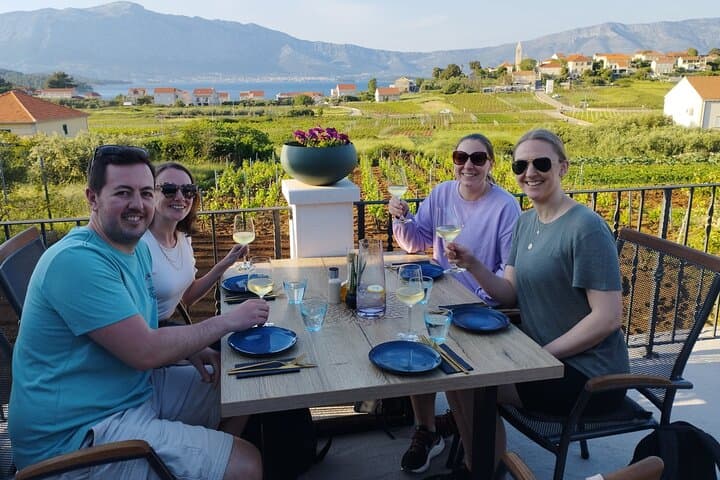
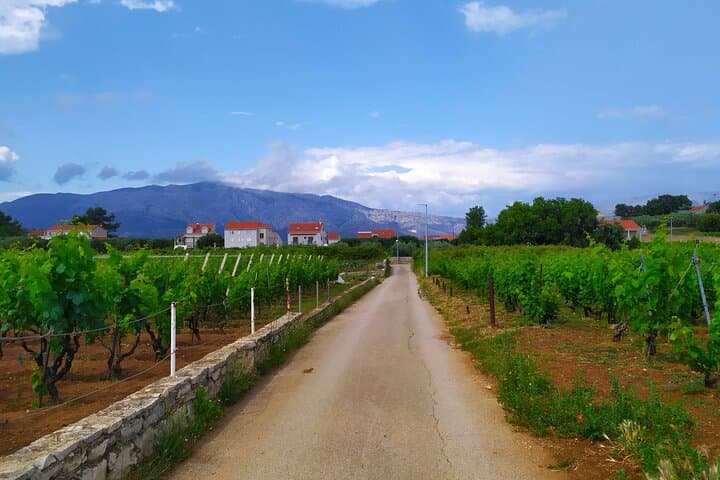
You meet at Plokata Square in Korčula Town, the sea already breathing salt and wind through the narrow streets, then board a short minivan transfer that slips east along the island’s spine. In Lumbarda, vines crowd the coastline and the sea seems to lean in, eager to taste what the terraces offer.
Verified experiences and guided adventures in the surrounding area.
Operated by Korcula Explorer · Korcula, Dubrovnik-Neretva County
You meet at Plokata Square in Korčula Town, the sea already breathing salt and wind through the narrow streets, then board a short minivan transfer that slips east along the island’s spine. In Lumbarda, vines crowd the coastline and the sea seems to lean in, eager to taste what the terraces offer.
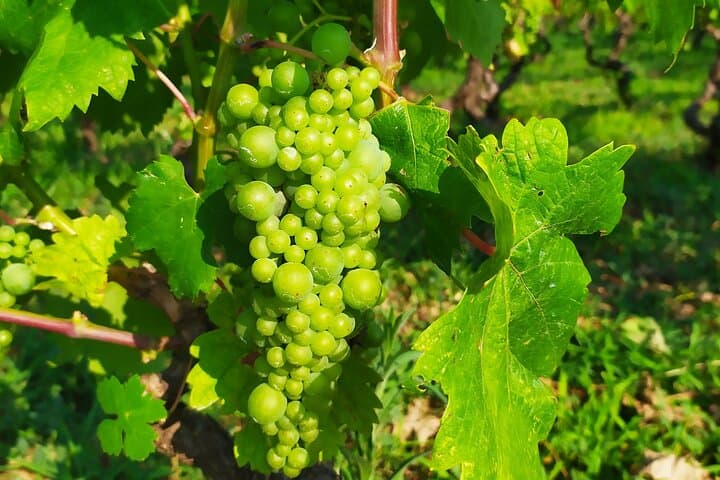
Grk is the star here — an almost-exclusive white grape that has grown in this pocket of karst soil for centuries. The island’s winemaking reflects Venetian trade routes, Ottoman-era interruptions and the careful attention of family producers who read the wind and stone as closely as the calendar.
Geology matters: broken limestone, thin soils and a bright Adriatic sun give Grk intense aromatics and dry, saline structure; nearby Plavac Mali and Pošip show the warmer, tannic counterpoint. Cultural rhythms are unhurried; owners pour with conversation, not ceremony, and local snacks (prsut, cheeses, olive oil) underline why food and wine travel together here.
The tour blends a 15–30 minute vineyard stroll with tastings at two family-run estates, lasting about 4–4.5 hours total. Expect plenty of standing, a few uneven tracks, and generous pours. Bring sun protection and flat shoes; sip slowly and ask about small-production techniques — growers are proud teachers.
Practical tip: plan this for late afternoon to catch cooler temperatures and a sea-scented breeze, and arrange for transport back if you don’t want to walk Korčula’s cobbles after a tasting.
moderate.
4-5 hours.
You should have a moderate fitness level — able to stand for tastings and walk 15–30 minutes on uneven vineyard paths.
The group meets at Plokata Square in Korčula Town, next to the circular metal monument (water fountain) before transferring to Lumbarda.
You’ll walk roughly 15–30 minutes around vineyard terraces; most of the tour is tasting and visiting two family-run wineries.
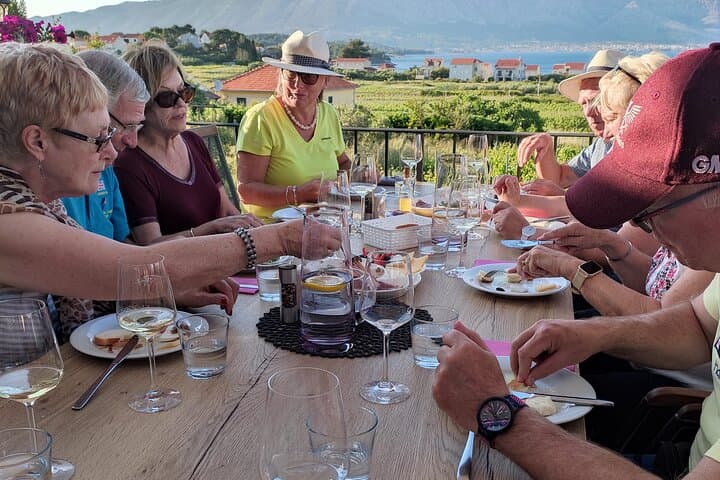
Yes — tastings at two wineries are included and one winery will serve traditional snacks like prsut and cheese.
Private minivan transfers between Korčula Town and Lumbarda are included in the tour price.
Korčula’s winemaking reaches back to antiquity; Lumbarda’s Grk grape is nearly endemic and has been cultivated here for centuries under Venetian and local family stewardship.
Water is scarce on small Adriatic islands — support producers who practice dry-farming and bring reusable bottles; avoid leaving waste in vineyard areas.
Korcula Explorer operates guided outdoor trips and adventures with an emphasis on safety, stewardship, and memorable experiences.
You meet at Plokata Square in Korčula Town, the sea already breathing salt and wind through the narrow streets, then board a short minivan transfer that slips east along the island’s spine. In Lumbarda, vines crowd the coastline and the sea seems to lean in, eager to taste what the terraces offer.
You meet at Plokata Square in Korčula Town, the sea already breathing salt and wind through the narrow streets, then board a short minivan transfer that slips east along the island’s spine. In Lumbarda, vines crowd the coastline and the sea seems to lean in, eager to taste what the terraces offer.
Grk is the star here — an almost-exclusive white grape that has grown in this pocket of karst soil for centuries. The island’s winemaking reflects Venetian trade routes, Ottoman-era interruptions and the careful attention of family producers who read the wind and stone as closely as the calendar.
Geology matters: broken limestone, thin soils and a bright Adriatic sun give Grk intense aromatics and dry, saline structure; nearby Plavac Mali and Pošip show the warmer, tannic counterpoint. Cultural rhythms are unhurried; owners pour with conversation, not ceremony, and local snacks (prsut, cheeses, olive oil) underline why food and wine travel together here.
The tour blends a 15–30 minute vineyard stroll with tastings at two family-run estates, lasting about 4–4.5 hours total. Expect plenty of standing, a few uneven tracks, and generous pours. Bring sun protection and flat shoes; sip slowly and ask about small-production techniques — growers are proud teachers.
Practical tip: plan this for late afternoon to catch cooler temperatures and a sea-scented breeze, and arrange for transport back if you don’t want to walk Korčula’s cobbles after a tasting.