THE ADVENTURE COLLECTIVE® · Independent discovery and booking for outdoor travel

Ride from Sintra’s shaded ridges down to Cabo da Roca on an electric bike — a flexible self-guided route through UNESCO-listed palaces, forested trails and Atlantic cliffs. Expect short steep climbs, mapped routes, and on-call local support.
Ride from Sintra’s shaded ridges down to Cabo da Roca on an electric bike — a flexible self-guided route through UNESCO-listed palaces, forested trails and Atlantic cliffs. Expect short steep climbs, mapped routes, and on-call local support.
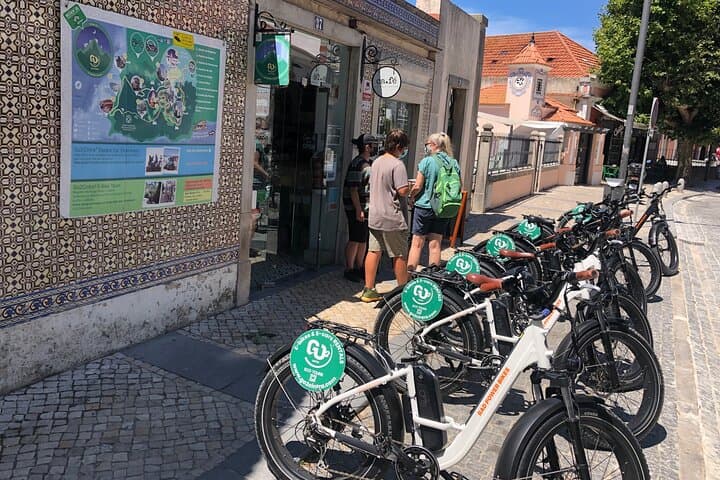
The morning air in Sintra tastes of pine resin and sea spray as you roll an electric bike out from a small shop a three‑minute walk behind the train station. Cobblestones click beneath you while the town’s tiled roofs slide back to reveal forested ridges — the e-bike hums, taking the effort out of steep switchbacks so you can watch Quinta da Regaleira’s enigmatic towers draw nearer.
Verified experiences and guided adventures in the surrounding area.
Operated by Go2Cintra, · Sintra, Lisbon
The morning air in Sintra tastes of pine resin and sea spray as you roll an electric bike out from a small shop a three‑minute walk behind the train station. Cobblestones click beneath you while the town’s tiled roofs slide back to reveal forested ridges — the e-bike hums, taking the effort out of steep switchbacks so you can watch Quinta da Regaleira’s enigmatic towers draw nearer.
This self-guided route threads through the UNESCO-listed Sintra Cultural Landscape: Romantic 19th‑century palaces (Pena, Monserrate, Seteais), the medieval silhouette of Castelo dos Mouros, and cliff-edge wind at Cabo da Roca, the westernmost point of continental Europe. Geology here is granite and schist worn into rugged headlands and sheltered micro-forests; centuries of aristocratic retreats shaped the roads and viewpoints you’ll use. Local life still orients around small cafés in Sintra village and fishing hamlets down the coast.
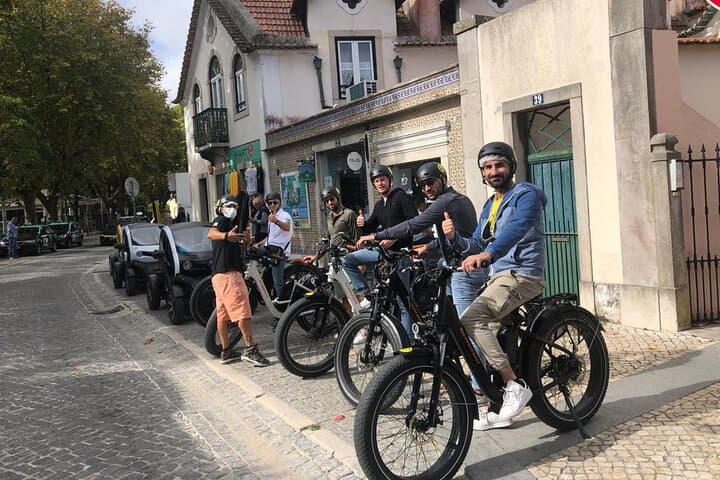
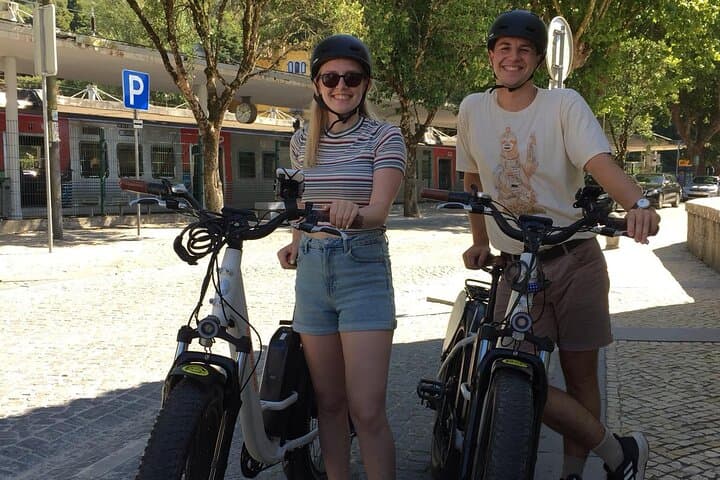
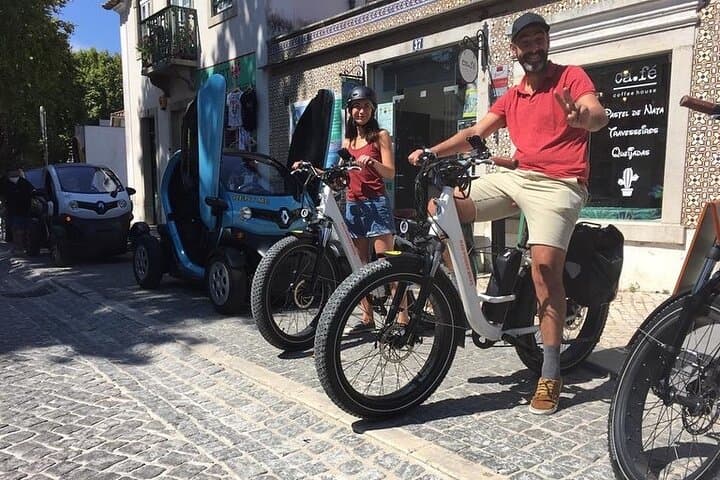
Practically, the operator provides Rad Power e-bikes, helmets, phone holders, extra phone chargers, side bags, lockers and an app with mapped routes and on-call assistance. Routes vary 16–30 km depending on choices and include short, steep climbs — the motor helps but expect gradients on approaches to Pena and Peninha. Aim for 3–7 hours on a flexible day: start early to avoid traffic in high season, keep batteries topped, and ride defensively on narrow forest lanes.
Bring layered clothing for coastal winds, secure valuables in provided lockers, and follow wayfinding in the app. The result is a day that balances cultural landmarks, raw Atlantic views and the easy momentum of an electric ride.
moderate.
3–7 hours.
Moderate fitness; comfortable with short steep climbs and several hours of cycling in hilly terrain.
No advanced skills are required, but riders should be comfortable on hilly, narrow roads and able to balance basic e-bike handling.
Range varies by rider weight and terrain; Rad Power e-bikes typically cover 40–80 km per charge — the operator supplies batteries and charging support if needed.
The shop is a three‑minute walk behind Sintra train station; take the commuter train from Lisbon (Rossio or Oriente) to Sintra, then follow signs to the station exit.
Children are accepted only if they meet the minimum height requirement (about 160 cm) and are confident cyclists; check with the operator when booking.
Sintra’s hillside estates and palaces are part of the 19th‑century Romantic movement; the area is a UNESCO Cultural Landscape blending natural and historic features.
Visitor pressure is high in summer—use established paths, avoid trampling vegetation, and support low‑impact options like e-bikes to reduce emissions.
Go2Cintra, operates guided outdoor trips and adventures with an emphasis on safety, stewardship, and memorable experiences.
The morning air in Sintra tastes of pine resin and sea spray as you roll an electric bike out from a small shop a three‑minute walk behind the train station. Cobblestones click beneath you while the town’s tiled roofs slide back to reveal forested ridges — the e-bike hums, taking the effort out of steep switchbacks so you can watch Quinta da Regaleira’s enigmatic towers draw nearer.
The morning air in Sintra tastes of pine resin and sea spray as you roll an electric bike out from a small shop a three‑minute walk behind the train station. Cobblestones click beneath you while the town’s tiled roofs slide back to reveal forested ridges — the e-bike hums, taking the effort out of steep switchbacks so you can watch Quinta da Regaleira’s enigmatic towers draw nearer.
This self-guided route threads through the UNESCO-listed Sintra Cultural Landscape: Romantic 19th‑century palaces (Pena, Monserrate, Seteais), the medieval silhouette of Castelo dos Mouros, and cliff-edge wind at Cabo da Roca, the westernmost point of continental Europe. Geology here is granite and schist worn into rugged headlands and sheltered micro-forests; centuries of aristocratic retreats shaped the roads and viewpoints you’ll use. Local life still orients around small cafés in Sintra village and fishing hamlets down the coast.
Practically, the operator provides Rad Power e-bikes, helmets, phone holders, extra phone chargers, side bags, lockers and an app with mapped routes and on-call assistance. Routes vary 16–30 km depending on choices and include short, steep climbs — the motor helps but expect gradients on approaches to Pena and Peninha. Aim for 3–7 hours on a flexible day: start early to avoid traffic in high season, keep batteries topped, and ride defensively on narrow forest lanes.
Bring layered clothing for coastal winds, secure valuables in provided lockers, and follow wayfinding in the app. The result is a day that balances cultural landmarks, raw Atlantic views and the easy momentum of an electric ride.