THE ADVENTURE COLLECTIVE® · Independent discovery and booking for outdoor travel

From mist-wrapped palaces on a granite ridge to 140‑meter Atlantic cliffs and a cliffside fishing village, this full‑day private tour stitches Portugal’s historic highlands to the coast. Expect short hikes, dramatic viewpoints and a local guide who knows the stories behind every stone.
From mist-wrapped palaces on a granite ridge to 140‑meter Atlantic cliffs and a cliffside fishing village, this full‑day private tour stitches Portugal’s historic highlands to the coast. Expect short hikes, dramatic viewpoints and a local guide who knows the stories behind every stone.
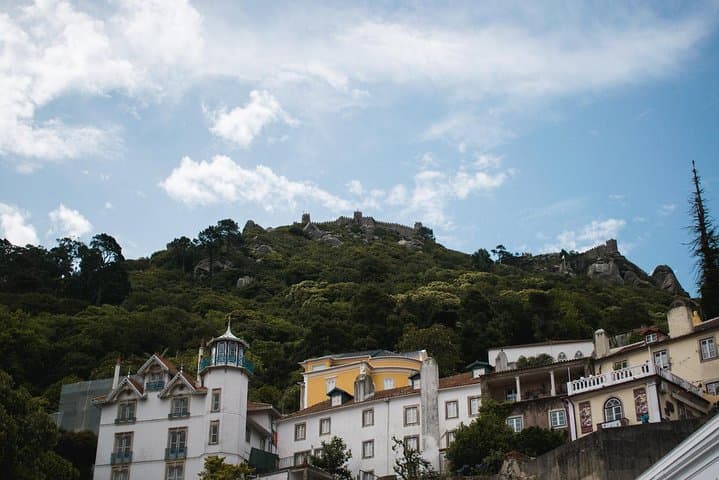
You step out of the van onto a narrow lane paved with timeworn cobbles and the air tastes faintly of eucalyptus and salt. Morning mist clings to the Sintra hills and peels away like a curtain, revealing painted walls and turrets of Pena Palace perched high above the town. The day moves like a short novel: a chapter in a shaded garden, another on a windswept cliff, and a final one sipping espresso in a fisherman's town.
Verified experiences and guided adventures in the surrounding area.
Operated by Tugabuddies · Sintra, Lisbon
You step out of the van onto a narrow lane paved with timeworn cobbles and the air tastes faintly of eucalyptus and salt. Morning mist clings to the Sintra hills and peels away like a curtain, revealing painted walls and turrets of Pena Palace perched high above the town. The day moves like a short novel: a chapter in a shaded garden, another on a windswept cliff, and a final one sipping espresso in a fisherman's town.
Sintra's identity was re-written in the 19th century by Romantic-era patrons who turned an already dramatic granite ridge into a playground of palaces, Pena among them — its polychrome façades and winding terraces were shaped by King Fernando II's taste for theatrical architecture. Beneath the historic centers lie older layers: Moorish walls, medieval watchpoints and estates where explorers planned Atlantic voyages.
Geology here does much of the staging. The Sintra massif is a compact granite island of higher ground jutting from the coastal plain; its elevation forces humidity out of the air and allowed botanical gardens to flourish. At Cabo da Roca the script flips: the land ends in 140‑meter cliffs that the Atlantic has been sharpening for millennia, churning sea-spray against bands of limestone and schist. Azenhas do Mar reads like a cliffside village carved directly from the rock; its tidal pools and whitewashed houses are the slow work of tide and time.
Culturally, the day is straightforward and intimate — local guides translate palace lore into stories about royal eccentricities, and Cascais closes the loop with seafood stalls and a marina where modern Portugal meets its fishing past.
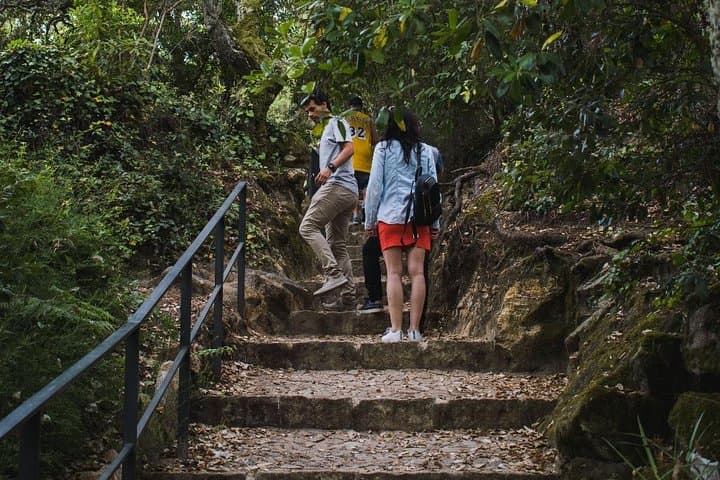
Practical guidance: this private tour runs about 8–9 hours and includes private transport, bottled water, Wi‑Fi in the vehicle and one monument entrance. Expect short walks on uneven, cobbled streets and a steep ascent if you choose to visit Pena Palace grounds — plan for an elevation change of several hundred meters between the historic centre and the hilltops. Good walking shoes, sunscreen, and a light jacket for the coast are essential; the wind at Cabo da Roca can be abrupt. If you want guaranteed entry to multiple monuments, buy skip‑the‑line tickets ahead — the tour covers one included entrance only. Pickup is flexible in West Portugal towns and begins roughly 15 minutes before departure time; confirm your exact spot when booking.
For travelers who like rhythm and variety in a day trip, this route delivers historic architecture, forested slopes that breathe, and an Atlantic that refuses to be polite — it keeps pulling the horizon toward itself.
moderate.
8–9 hours.
Suitable for travelers in average shape who can walk short distances on uneven ground and manage moderate elevation changes.
The tour runs approximately 8–9 hours (480–540 minutes), depending on traffic and how long you spend at each stop.
The tour includes one monument entrance; specify which monument when booking or be prepared to cover additional entrance fees on site.
Pickup is offered across the western districts (Peniche, Óbidos, Nazaré, Alcobaça, Caldas da Rainha, Leiria, Fátima and nearby towns) — confirm your exact pickup point when you book.
The itinerary is physically easy overall but includes walking on uneven surfaces; infants and small children can use strollers and infant seats are available — notify the operator about mobility needs when booking.
Layered clothing, comfortable shoes for walking, and a windproof jacket for the coast; bring sunscreen in summer and a light rain layer in spring/fall.
This is a private tour and can be tailored to your interests — discuss must-see sites or timing preferences with the guide when you book.
Sintra became a 19th‑century Romantic refuge for Portuguese royalty; King Fernando II transformed royal estates into the colorful palaces and ornate parks visitors see today.
Sintra-Cascais Natural Park is protected to preserve its unique habitat and historic landscapes — stick to marked paths and avoid picking plants to minimize impact.
Tugabuddies operates guided outdoor trips and adventures with an emphasis on safety, stewardship, and memorable experiences.
You step out of the van onto a narrow lane paved with timeworn cobbles and the air tastes faintly of eucalyptus and salt. Morning mist clings to the Sintra hills and peels away like a curtain, revealing painted walls and turrets of Pena Palace perched high above the town. The day moves like a short novel: a chapter in a shaded garden, another on a windswept cliff, and a final one sipping espresso in a fisherman's town.
You step out of the van onto a narrow lane paved with timeworn cobbles and the air tastes faintly of eucalyptus and salt. Morning mist clings to the Sintra hills and peels away like a curtain, revealing painted walls and turrets of Pena Palace perched high above the town. The day moves like a short novel: a chapter in a shaded garden, another on a windswept cliff, and a final one sipping espresso in a fisherman's town.
Sintra's identity was re-written in the 19th century by Romantic-era patrons who turned an already dramatic granite ridge into a playground of palaces, Pena among them — its polychrome façades and winding terraces were shaped by King Fernando II's taste for theatrical architecture. Beneath the historic centers lie older layers: Moorish walls, medieval watchpoints and estates where explorers planned Atlantic voyages.
Geology here does much of the staging. The Sintra massif is a compact granite island of higher ground jutting from the coastal plain; its elevation forces humidity out of the air and allowed botanical gardens to flourish. At Cabo da Roca the script flips: the land ends in 140‑meter cliffs that the Atlantic has been sharpening for millennia, churning sea-spray against bands of limestone and schist. Azenhas do Mar reads like a cliffside village carved directly from the rock; its tidal pools and whitewashed houses are the slow work of tide and time.
Culturally, the day is straightforward and intimate — local guides translate palace lore into stories about royal eccentricities, and Cascais closes the loop with seafood stalls and a marina where modern Portugal meets its fishing past.
Practical guidance: this private tour runs about 8–9 hours and includes private transport, bottled water, Wi‑Fi in the vehicle and one monument entrance. Expect short walks on uneven, cobbled streets and a steep ascent if you choose to visit Pena Palace grounds — plan for an elevation change of several hundred meters between the historic centre and the hilltops. Good walking shoes, sunscreen, and a light jacket for the coast are essential; the wind at Cabo da Roca can be abrupt. If you want guaranteed entry to multiple monuments, buy skip‑the‑line tickets ahead — the tour covers one included entrance only. Pickup is flexible in West Portugal towns and begins roughly 15 minutes before departure time; confirm your exact spot when booking.
For travelers who like rhythm and variety in a day trip, this route delivers historic architecture, forested slopes that breathe, and an Atlantic that refuses to be polite — it keeps pulling the horizon toward itself.