THE ADVENTURE COLLECTIVE® · Independent discovery and booking for outdoor travel

Walk through Sintra’s sacred springs and romantic palaces on a day that combines gentle hiking, cultural storytelling and coastal panoramas. Learn where to soak, what to pack and how to time the best views.
Walk through Sintra’s sacred springs and romantic palaces on a day that combines gentle hiking, cultural storytelling and coastal panoramas. Learn where to soak, what to pack and how to time the best views.
The trail begins under a cool canopy of cork oak and laurel, mist from the Atlantic still clinging to the rocks. You follow a narrow path past an old fountain, taste the mineral-bright water at Fonte da Sabuga, then arrive at the Sanctuary of Santa Eufémia—one of Sintra’s living springs—where the water seems to pull your breathing into a slower rhythm.
Verified experiences and guided adventures in the surrounding area.
Operated by Mariah · Sintra, Lisbon
The trail begins under a cool canopy of cork oak and laurel, mist from the Atlantic still clinging to the rocks. You follow a narrow path past an old fountain, taste the mineral-bright water at Fonte da Sabuga, then arrive at the Sanctuary of Santa Eufémia—one of Sintra’s living springs—where the water seems to pull your breathing into a slower rhythm.
Sintra’s landscape records layers of human and geological history: prehistoric megaliths, Roman routes, Moorish fortifications and the Romantic palaces of the 19th century. The granite Sintra massif forces fog and wind to collide, producing a microclimate that keeps the gardens green and the springs flowing. Cultural landmarks—National Palace, Moorish Castle, Pena and Quinta da Regaleira—sit like stages in a long-running play about pilgrimage, power and poetic landscaping.
Practically, expect a mix of gentle walks and short uphill stretches: about 2 km to the sacred lake plus walking between viewpoints, embedded within a roughly 6–8 hour day that includes private vehicle transfers between far-flung spots. Bring a pareo or scarf to sit on and to dry feet after a cautious soak; wear grippy shoes for mossy rock and uneven steps. Layers matter—the coast and mountain can change in minutes—and carry a refillable bottle. The tour is accessible and suitable for most fitness levels, but plan for crowds at Pena and book interior visits separately. Respect the springs: no soaps, and keep noise low around sanctified spots. By day’s end the Atlantic will stretch wide and the cliffs will seem to have kept every story ever told here.
easy.
6–8 hours.
Suitable for most people who can walk 2–4 km on uneven ground and handle short uphill sections.
Yes—tour notes wheelchair and stroller accessibility for transport and many stops, but some paths to springs and viewpoints have uneven steps; carriers or sturdy strollers recommended.
Short, respectful foot-soaking is common; full bathing is generally discouraged—bring a pareo to sit on and to dry your feet afterward.
Admissions are not included; the itinerary focuses on exterior views and parks, though you can choose to enter interiors (Pena, Regaleira, Monserrate) and should book crowded interiors in advance.
A full refund is available if you cancel at least 24 hours before departure; tours may be canceled in bad weather.
Sintra’s springs and hilltop fortifications reflect continuous occupation from prehistoric megalithic ritual sites through Moorish and medieval Portuguese periods, culminating in 19th-century Romantic landscaping.
The Sintra-Cascais Natural Park protects water sources and endemic vegetation; visitors are asked to stay on trails, avoid introducing pollutants to springs and to respect cultural sites.
Mariah operates guided outdoor trips and adventures with an emphasis on safety, stewardship, and memorable experiences.
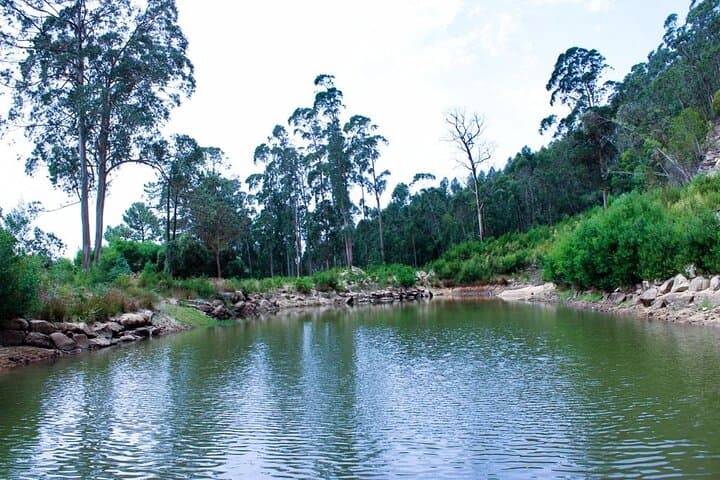
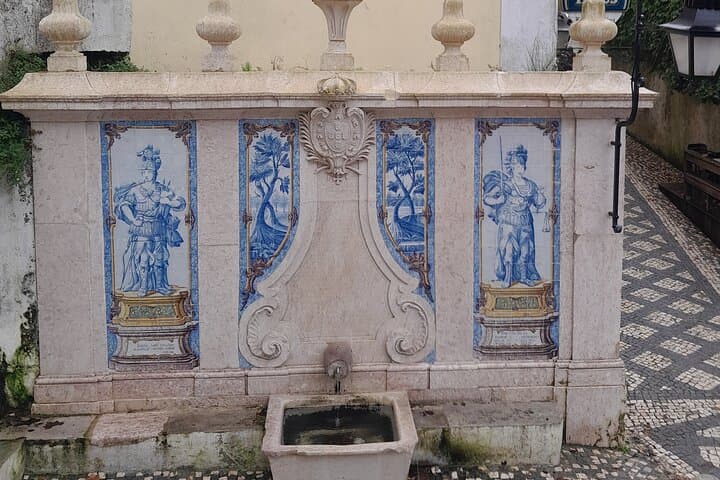
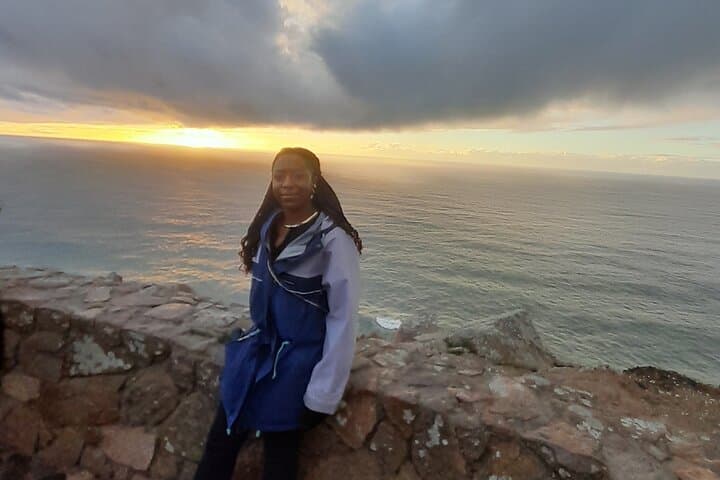
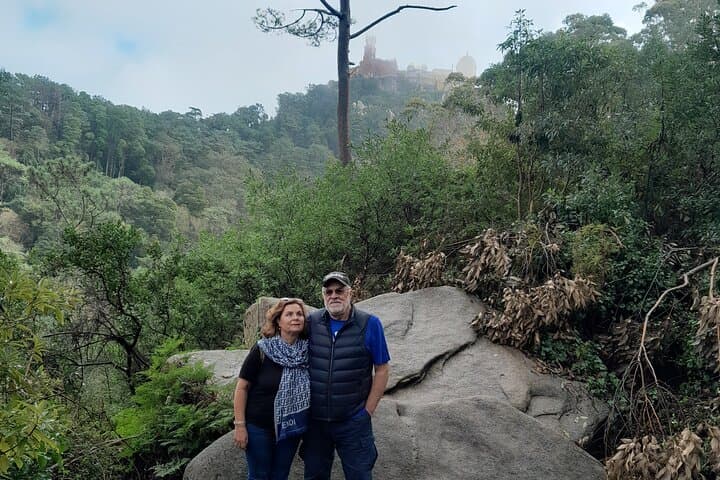
The trail begins under a cool canopy of cork oak and laurel, mist from the Atlantic still clinging to the rocks. You follow a narrow path past an old fountain, taste the mineral-bright water at Fonte da Sabuga, then arrive at the Sanctuary of Santa Eufémia—one of Sintra’s living springs—where the water seems to pull your breathing into a slower rhythm.
The trail begins under a cool canopy of cork oak and laurel, mist from the Atlantic still clinging to the rocks. You follow a narrow path past an old fountain, taste the mineral-bright water at Fonte da Sabuga, then arrive at the Sanctuary of Santa Eufémia—one of Sintra’s living springs—where the water seems to pull your breathing into a slower rhythm.
Sintra’s landscape records layers of human and geological history: prehistoric megaliths, Roman routes, Moorish fortifications and the Romantic palaces of the 19th century. The granite Sintra massif forces fog and wind to collide, producing a microclimate that keeps the gardens green and the springs flowing. Cultural landmarks—National Palace, Moorish Castle, Pena and Quinta da Regaleira—sit like stages in a long-running play about pilgrimage, power and poetic landscaping.
Practically, expect a mix of gentle walks and short uphill stretches: about 2 km to the sacred lake plus walking between viewpoints, embedded within a roughly 6–8 hour day that includes private vehicle transfers between far-flung spots. Bring a pareo or scarf to sit on and to dry feet after a cautious soak; wear grippy shoes for mossy rock and uneven steps. Layers matter—the coast and mountain can change in minutes—and carry a refillable bottle. The tour is accessible and suitable for most fitness levels, but plan for crowds at Pena and book interior visits separately. Respect the springs: no soaps, and keep noise low around sanctified spots. By day’s end the Atlantic will stretch wide and the cliffs will seem to have kept every story ever told here.