THE ADVENTURE COLLECTIVE® · Independent discovery and booking for outdoor travel

A full-day private tour from the Algarve that packs Pena Palace, the Moorish Castle, Sintra’s historic center and Cabo da Roca into one 10-hour itinerary. Expect castle ramparts, tiled palaces and coastal viewpoints with short to moderate walks.
A full-day private tour from the Algarve that packs Pena Palace, the Moorish Castle, Sintra’s historic center and Cabo da Roca into one 10-hour itinerary. Expect castle ramparts, tiled palaces and coastal viewpoints with short to moderate walks.
You arrive on a cool Atlantic morning, the van easing up the serpentines toward the hills where mist clings to the pines and the town of Sintra perches above a scattering of tile-roofed houses. The castle walls appear like a deliberate interruption in the forest—stone stepping out of the trees—and the day ahead is a compact sequence of palaces, viewpoints and cobbled streets.
Verified experiences and guided adventures in the surrounding area.
Operated by Local In Lisbon · Sintra, Lisbon
You arrive on a cool Atlantic morning, the van easing up the serpentines toward the hills where mist clings to the pines and the town of Sintra perches above a scattering of tile-roofed houses. The castle walls appear like a deliberate interruption in the forest—stone stepping out of the trees—and the day ahead is a compact sequence of palaces, viewpoints and cobbled streets.
Sintra grew as a royal refuge from the 15th century onward, then exploded into Romantic fantasy in the 19th century when kings and nobles rebuilt estates in eclectic styles. The geology is granite and schist, sculpted into steep ridges that give the palaces dramatic perches; the microclimate keeps the hills greener than the coastal plain below. You’ll see influences from Manueline to Neo-Gothic and a strong Moorish presence in fortifications and decorative motifs.
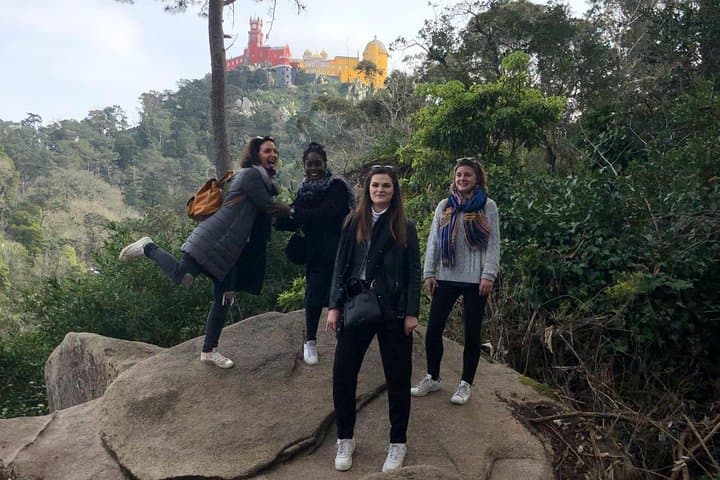
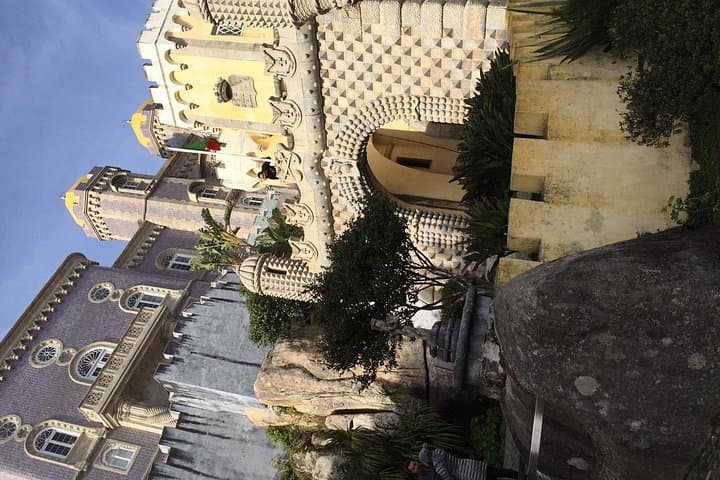
Expect structured stops: Pena Palace’s painted towers and terraces with views over the bay; the Moorish Castle’s walkable ramparts; a stroll through Sintra’s old town; and a photo stop at Cabo da Roca, continental Europe’s westernmost cape. Local culture shows in small pastry shops (try travesseiros) and gardens that reveal botanical experiments from colonial plant introductions.
Practical notes: this is a full 10-hour day with moderate walking, stairs and uneven pavement. Bring layered clothing, comfortable shoes, water and a camera. Skip-the-line admissions may be arranged but verify which palaces include entrance. Plan for variable weather; the hills can be several degrees cooler and windier than the Algarve coast.
easy.
10 hours.
Suitable for most fitness levels; involves short guided walks, some stair-climbing and cobbled pathways.
Not always—confirm at booking which palaces include admission; some stops are external views only and others require separate tickets.
Pickup points vary by operator and booking; common pickup towns include Albufeira and nearby resorts—provide your exact accommodation when requested.
The tour is family-friendly, but many palace interiors and castle ramparts have stairs and uneven surfaces that make strollers impractical—infant carriers work better.
It’s often flexible within the time available, but any changes depend on traffic, opening hours and the group's preferences—confirm with your guide before departure.
Sintra was a royal and noble retreat from the 15th century and later became a center for 19th-century Romantic architecture; it’s recognized as a UNESCO World Heritage Cultural Landscape.
High visitor numbers threaten sensitive gardens and trail erosion—stick to marked paths, avoid picking plants, and support local businesses that practice sustainable tourism.
Local In Lisbon operates guided outdoor trips and adventures with an emphasis on safety, stewardship, and memorable experiences.
You arrive on a cool Atlantic morning, the van easing up the serpentines toward the hills where mist clings to the pines and the town of Sintra perches above a scattering of tile-roofed houses. The castle walls appear like a deliberate interruption in the forest—stone stepping out of the trees—and the day ahead is a compact sequence of palaces, viewpoints and cobbled streets.
You arrive on a cool Atlantic morning, the van easing up the serpentines toward the hills where mist clings to the pines and the town of Sintra perches above a scattering of tile-roofed houses. The castle walls appear like a deliberate interruption in the forest—stone stepping out of the trees—and the day ahead is a compact sequence of palaces, viewpoints and cobbled streets.
Sintra grew as a royal refuge from the 15th century onward, then exploded into Romantic fantasy in the 19th century when kings and nobles rebuilt estates in eclectic styles. The geology is granite and schist, sculpted into steep ridges that give the palaces dramatic perches; the microclimate keeps the hills greener than the coastal plain below. You’ll see influences from Manueline to Neo-Gothic and a strong Moorish presence in fortifications and decorative motifs.
Expect structured stops: Pena Palace’s painted towers and terraces with views over the bay; the Moorish Castle’s walkable ramparts; a stroll through Sintra’s old town; and a photo stop at Cabo da Roca, continental Europe’s westernmost cape. Local culture shows in small pastry shops (try travesseiros) and gardens that reveal botanical experiments from colonial plant introductions.
Practical notes: this is a full 10-hour day with moderate walking, stairs and uneven pavement. Bring layered clothing, comfortable shoes, water and a camera. Skip-the-line admissions may be arranged but verify which palaces include entrance. Plan for variable weather; the hills can be several degrees cooler and windier than the Algarve coast.