THE ADVENTURE COLLECTIVE® · Independent discovery and booking for outdoor travel

Walk Sintra’s mountains after dark with historian Miguel Boim and hear archival tales, legends and the documented origins of the town’s mysticism. A 6 km, 3–4 hour private night walk that mixes landscape views with close‑readings of local history.
Walk Sintra’s mountains after dark with historian Miguel Boim and hear archival tales, legends and the documented origins of the town’s mysticism. A 6 km, 3–4 hour private night walk that mixes landscape views with close‑readings of local history.
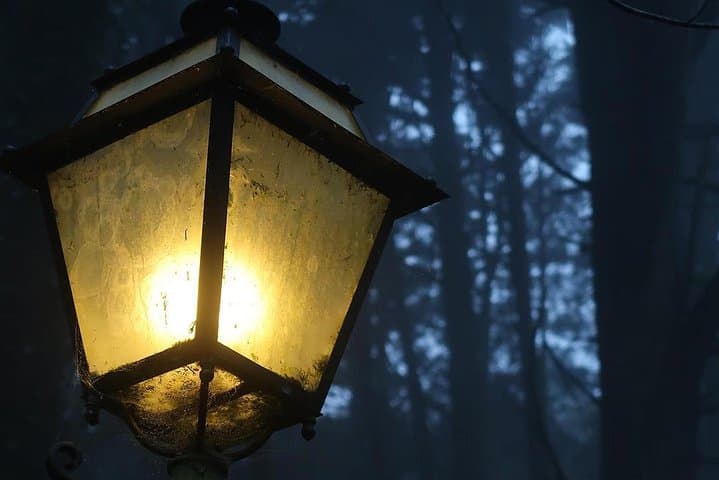
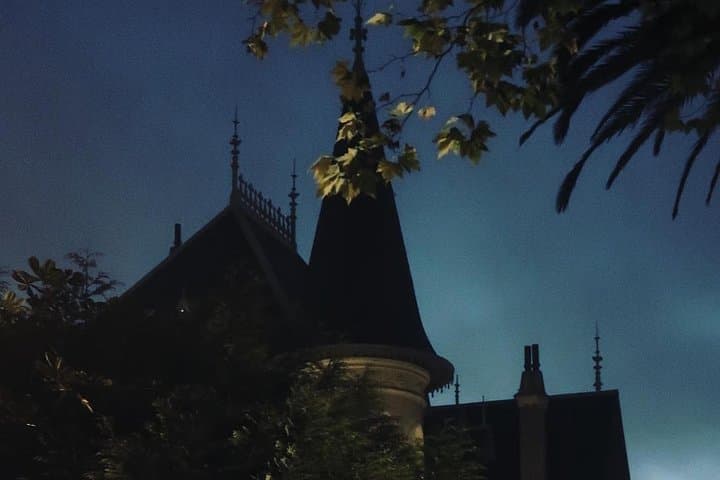
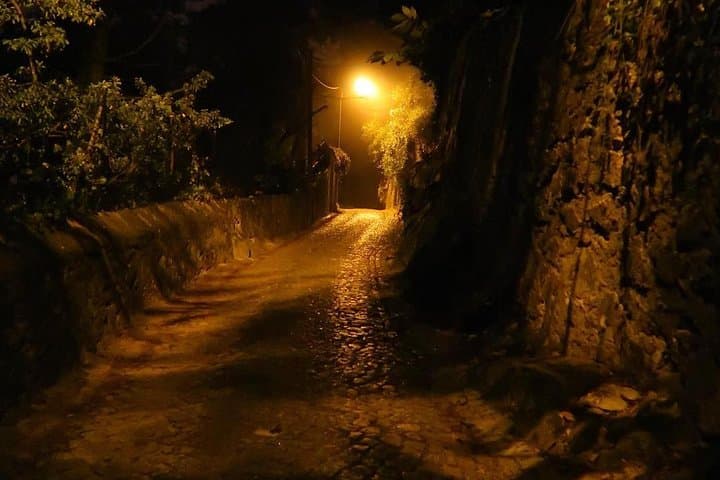
A thin coastal wind lifts off the sea and threads through the pines as you step away from Sintra’s tiled streets into the dark of the mountain. Headlamps pick out stone walls and the pale silhouettes of villas; behind you, Pena Palace blinks like an island on the horizon. The night here feels deliberate—quiet enough that the guide’s voice travels like a light and the forest seems to lean closer to listen.
Verified experiences and guided adventures in the surrounding area.
Operated by MIGUEL BOIM ESTEVES MARQUES · Sintra, Lisbon
A thin coastal wind lifts off the sea and threads through the pines as you step away from Sintra’s tiled streets into the dark of the mountain. Headlamps pick out stone walls and the pale silhouettes of villas; behind you, Pena Palace blinks like an island on the horizon. The night here feels deliberate—quiet enough that the guide’s voice travels like a light and the forest seems to lean closer to listen.
Sintra’s hills have been a refuge and a stage for centuries: Moorish outposts, royal summer estates and 19th‑century romanticism all left marks on the landscape. Geologically, the granite ridges and clay soils create sudden knolls and narrow roads that channel the wind and give the mountain its distinctive weather. Culturally, the town’s reputation for mysticism grew from failed fortifications, abandoned estates and the literary currents that flowed through Portugal’s golden age. This walk uses those facts to frame local folklore—every viewpoint and stone has a documented past when you look through a historian’s lens.
Practical side: the route is about 6 km over mostly road and very short trails, and lasts roughly 3–4 hours with several stops. Expect uneven surfaces and darkness; bring a dependable headlamp, layered clothing and sturdy shoes. The guide provides a safety vest for road sections. Book at least 72 hours ahead; the walk runs under most weather conditions unless authorities advise otherwise. Questions are encouraged—this is a rare night access inside Sintra‑Cascais Natural Park and a chance to hear archival stories and local context that don’t surface on daytime tours.
easy.
3–4 hours.
Suitable for most people who can handle a long afternoon stroll; minimal elevation but steady walking required.
Older children who are comfortable walking 6 km and staying quiet at night can join; guardians should assess night conditions and road crossings.
The meeting point is Sintra’s Historic Centre; the walk is circular and returns to the same area.
The walk runs in most conditions but will be canceled for safety if authorities issue warnings or heavy storm risk exists.
No—this is a narrative and viewpoint walk focused on landscape and history; palace visits are visible from a distance but not entered.
Sintra’s landscape formed a palimpsest of Moorish, medieval and 19th‑century romantic influences; the area is part of the Sintra Cultural Landscape UNESCO designation.
The walk occurs inside Sintra‑Cascais Natural Park—stay on roads, avoid flash photography near wildlife and carry out all waste to protect nocturnal habitats.
MIGUEL BOIM ESTEVES MARQUES operates guided outdoor trips and adventures with an emphasis on safety, stewardship, and memorable experiences.

A thin coastal wind lifts off the sea and threads through the pines as you step away from Sintra’s tiled streets into the dark of the mountain. Headlamps pick out stone walls and the pale silhouettes of villas; behind you, Pena Palace blinks like an island on the horizon. The night here feels deliberate—quiet enough that the guide’s voice travels like a light and the forest seems to lean closer to listen.
A thin coastal wind lifts off the sea and threads through the pines as you step away from Sintra’s tiled streets into the dark of the mountain. Headlamps pick out stone walls and the pale silhouettes of villas; behind you, Pena Palace blinks like an island on the horizon. The night here feels deliberate—quiet enough that the guide’s voice travels like a light and the forest seems to lean closer to listen.
Sintra’s hills have been a refuge and a stage for centuries: Moorish outposts, royal summer estates and 19th‑century romanticism all left marks on the landscape. Geologically, the granite ridges and clay soils create sudden knolls and narrow roads that channel the wind and give the mountain its distinctive weather. Culturally, the town’s reputation for mysticism grew from failed fortifications, abandoned estates and the literary currents that flowed through Portugal’s golden age. This walk uses those facts to frame local folklore—every viewpoint and stone has a documented past when you look through a historian’s lens.
Practical side: the route is about 6 km over mostly road and very short trails, and lasts roughly 3–4 hours with several stops. Expect uneven surfaces and darkness; bring a dependable headlamp, layered clothing and sturdy shoes. The guide provides a safety vest for road sections. Book at least 72 hours ahead; the walk runs under most weather conditions unless authorities advise otherwise. Questions are encouraged—this is a rare night access inside Sintra‑Cascais Natural Park and a chance to hear archival stories and local context that don’t surface on daytime tours.