THE ADVENTURE COLLECTIVE® · Independent discovery and booking for outdoor travel

Walk Sintra’s cobbled streets with a local guide to see its palaces, pastry shops, and a distant view of Pena Palace. This easy 2½-hour tour mixes architecture, local stories, and practical tips for first-time visitors.
Walk Sintra’s cobbled streets with a local guide to see its palaces, pastry shops, and a distant view of Pena Palace. This easy 2½-hour tour mixes architecture, local stories, and practical tips for first-time visitors.
A cool Atlantic breeze threads through the narrow streets as the tour gathers in front of Sintra City Hall. Cobbled alleys slope upward, tiled façades flash color, and the hills above the town wear a scattering of castles like crowns. The guide leads, voice steady, pointing out carved chimneys and the curve of a Moorish wall; the route feels part stroll, part storybook exploration.
Verified experiences and guided adventures in the surrounding area.
Operated by Viva Brussels · Sintra, Lisbon District
A cool Atlantic breeze threads through the narrow streets as the tour gathers in front of Sintra City Hall. Cobbled alleys slope upward, tiled façades flash color, and the hills above the town wear a scattering of castles like crowns. The guide leads, voice steady, pointing out carved chimneys and the curve of a Moorish wall; the route feels part stroll, part storybook exploration.
Sintra sits on granite outcrops weathered by millennia, its microclimate fed by ocean mist and shaded laurel woods. The town’s layered history—Moorish fortifications, medieval palaces, and the 19th-century Romantic reinvention that produced Pena Palace—reads in stone, tile, and garden terraces. Culinary notes arrive between monuments: traditional queijadas and travesseiros from longstanding pastelarias, which speak to local craft and sugar routes.
Expect frequent stops to examine façades, learn emblematic anecdotes, and take photos of Seteais Palace archways and the National Palace’s twin conical chimneys. The pace is easy but involves uneven cobbles and short uphill sections; the route finishes with a distant view of Pena, encouraging independent visits afterward.
Practical edge: bring a refillable water bottle, wear shoes with grip, and carry a light rain layer—Sintra’s coastal weather can flip from sun to mist in an hour. Meeting point is central and reachable by train from Lisbon; allow extra time during high season. The tour suits travelers who want cultural context delivered on foot, combining history, local flavor, and cinematic viewpoints in about two and a half hours.
easy.
2–3 hours.
Suitable for most fitness levels; able to walk 2–3 miles with short uphill stretches and stand during commentary.
No—this walking tour covers exteriors and viewpoints; separate tickets are required to enter Pena Palace and indoor sites.
The tour begins in front of Sintra City Hall in the historic center; it’s an easy walk from the Sintra train station.
Yes—infants and small children can use strollers, though some cobbled stretches may be bumpy.
Full refunds are available if you cancel at least 24 hours before the scheduled departure; check the booking for operator-specific details.
Sintra is a UNESCO World Heritage site whose landscapes and monuments inspired 19th-century Romantic architecture—Pena Palace is an emblem of that era built atop earlier Moorish and medieval remains.
Visitor pressure concentrates on palace grounds and trails; stick to marked paths, avoid feeding wildlife, and support local businesses that follow sustainable practices.
Viva Brussels operates guided outdoor trips and adventures with an emphasis on safety, stewardship, and memorable experiences.
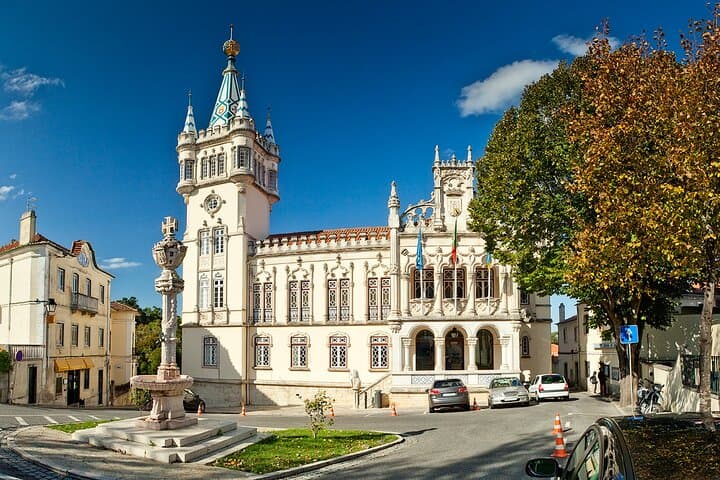

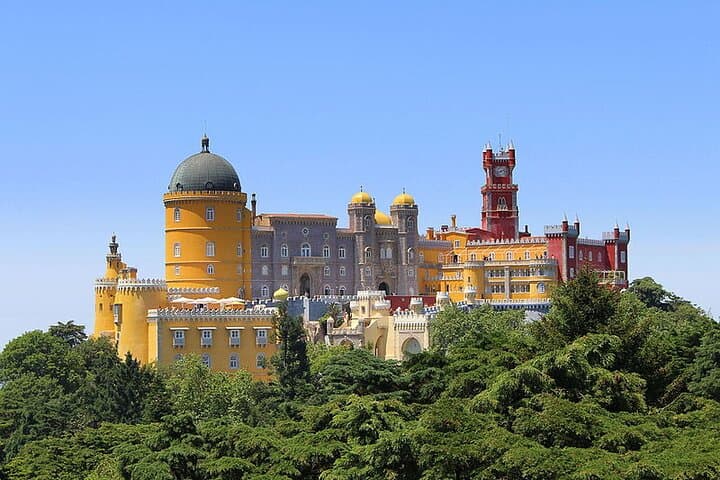
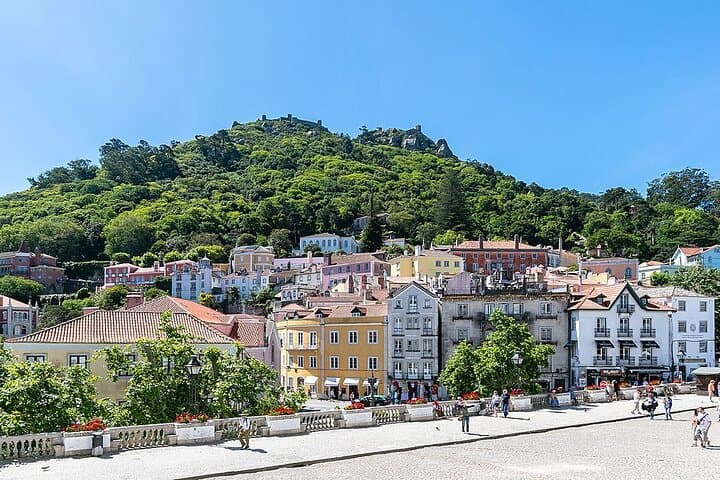
A cool Atlantic breeze threads through the narrow streets as the tour gathers in front of Sintra City Hall. Cobbled alleys slope upward, tiled façades flash color, and the hills above the town wear a scattering of castles like crowns. The guide leads, voice steady, pointing out carved chimneys and the curve of a Moorish wall; the route feels part stroll, part storybook exploration.
A cool Atlantic breeze threads through the narrow streets as the tour gathers in front of Sintra City Hall. Cobbled alleys slope upward, tiled façades flash color, and the hills above the town wear a scattering of castles like crowns. The guide leads, voice steady, pointing out carved chimneys and the curve of a Moorish wall; the route feels part stroll, part storybook exploration.
Sintra sits on granite outcrops weathered by millennia, its microclimate fed by ocean mist and shaded laurel woods. The town’s layered history—Moorish fortifications, medieval palaces, and the 19th-century Romantic reinvention that produced Pena Palace—reads in stone, tile, and garden terraces. Culinary notes arrive between monuments: traditional queijadas and travesseiros from longstanding pastelarias, which speak to local craft and sugar routes.
Expect frequent stops to examine façades, learn emblematic anecdotes, and take photos of Seteais Palace archways and the National Palace’s twin conical chimneys. The pace is easy but involves uneven cobbles and short uphill sections; the route finishes with a distant view of Pena, encouraging independent visits afterward.
Practical edge: bring a refillable water bottle, wear shoes with grip, and carry a light rain layer—Sintra’s coastal weather can flip from sun to mist in an hour. Meeting point is central and reachable by train from Lisbon; allow extra time during high season. The tour suits travelers who want cultural context delivered on foot, combining history, local flavor, and cinematic viewpoints in about two and a half hours.