THE ADVENTURE COLLECTIVE® · Independent discovery and booking for outdoor travel

Spend a full day exploring Sintra’s royal palaces, secret wells, clifftop villages and Europe’s western edge. This private day trip blends history, geology and insider routes to beat the crowds.
Spend a full day exploring Sintra’s royal palaces, secret wells, clifftop villages and Europe’s western edge. This private day trip blends history, geology and insider routes to beat the crowds.
The day opens on a mist-softened valley where stone keeps memory like a ledger. You meet at Sintra Railway Station—rail-scarred, genteel—and within minutes a quiet ribbon of road carries you up into the sinus of the Sintra Mountains. Pines close in, their resin scent sharp as a promise, and the first flash of color appears: the candy-bright turrets of Pena Palace perched like an idea that refused to stay small.
Verified experiences and guided adventures in the surrounding area.
Operated by Sofia Pena · Sintra, Lisbon
The day opens on a mist-softened valley where stone keeps memory like a ledger. You meet at Sintra Railway Station—rail-scarred, genteel—and within minutes a quiet ribbon of road carries you up into the sinus of the Sintra Mountains. Pines close in, their resin scent sharp as a promise, and the first flash of color appears: the candy-bright turrets of Pena Palace perched like an idea that refused to stay small.
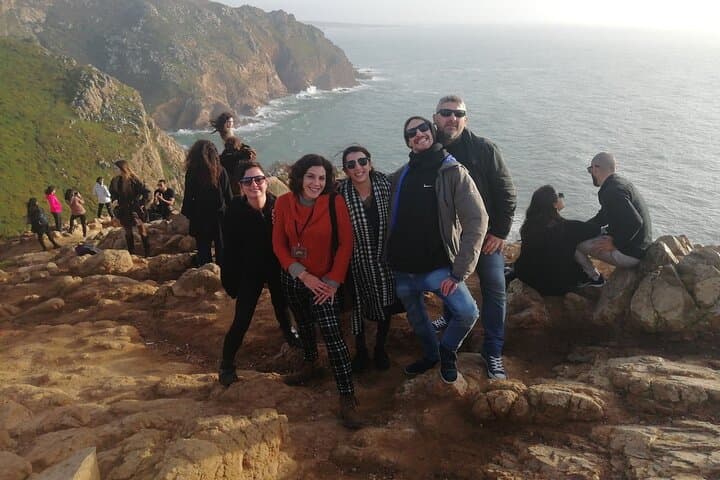
Sintra’s landscape reads like accumulated tastes: Moorish walls, Romantic excess, and the Atlantic lunging against granite cliffs at Cabo da Roca. The palaces arrived late—Pena was the indulgence of King Ferdinand II in the 19th century—overlaying medieval remnants with Manueline arches and exotic tiles. Quinta da Regaleira, by contrast, is a deliberate puzzle. Its initiation well and tangled grottoes were born of Masonic symbolism and a collector’s appetite for ritual, a place that still makes sunlight move as if testing a theory.
Geologically, Sintra is born of old granite forcing its way into softer rock; erosion and a maritime climate created the rounded knolls and microclimates that allow camellias and rare ferns to thrive. The coast, where the land ends, is a working landscape—fishermen, tiled villages like Azenhas do Mar, and the sea that has both fed and battered the region for centuries.
Local life threads through every stop. In the historic center, small pastry shops hawk queijadas and travesseiros—sugar-and-butter anchors to sustain a day of stairs and terraces. Guides here don’t just point at facades; they stitch stories—Templar remains, Napoleonic rattles, aristocratic soirées—into routes that keep you on the sunny side of crowded monuments.
Practical side: this is a long but manageable day. Expect seven to eight hours with intermittent walking—cobbled streets, steep castle steps, and uneven garden paths. Tickets to Pena and Quinta da Regaleira sell fast; arrange timing ahead to avoid lines. Wear grippy shoes, layer for the microclimate, and bring a daypack with water and a light rain shell—the mountains can flip weather in an hour.
If you want a quieter experience, aim for early entry at Pena or schedule Regaleira in mid-afternoon. Photography loves the golden hour at Cabo da Roca and the terraces of Pena; bring a wide lens and patience. Above all, let the place do the heavier lifting: Sintra rewards attention. Move slowly, ask about the odd tile, and leave room in your day for a pastry and a view.
moderate.
7–8 hours.
Moderate fitness: comfortable walking for several hours with stair climbs and short hikes
The private tour runs about 7–8 hours (420–480 minutes), covering Pena Palace, Quinta da Regaleira, clifftop viewpoints and select villages.
Admission is not always included—your guide can help you purchase tickets in advance for an additional fee.
Parts of the route are stroller-accessible in towns, but many palace gardens and the Initiation Well have steep steps; infants may need carriers.
Yes—many travelers start the trip in Lisbon and take the train to Sintra; meeting at Sintra Railway Station is standard.
The guide offers tours in English and French; confirm language availability at booking.
The tour operates in light rain—monument interiors are still visitable—but heavy weather may alter outdoor stops; cancellation rules allow a full refund if cancelled at least 24 hours ahead.
Sintra's palaces reflect layers of occupation from Moorish fortifications to 19th-century Romanticism; Pena Palace was a former monastery transformed by King Ferdinand II.
Cabo da Roca and nearby coastal strips are protected landscapes—stick to marked paths and avoid trampling fragile cliff-top vegetation; support local guides who follow site regulations.
Sofia Pena operates guided outdoor trips and adventures with an emphasis on safety, stewardship, and memorable experiences.
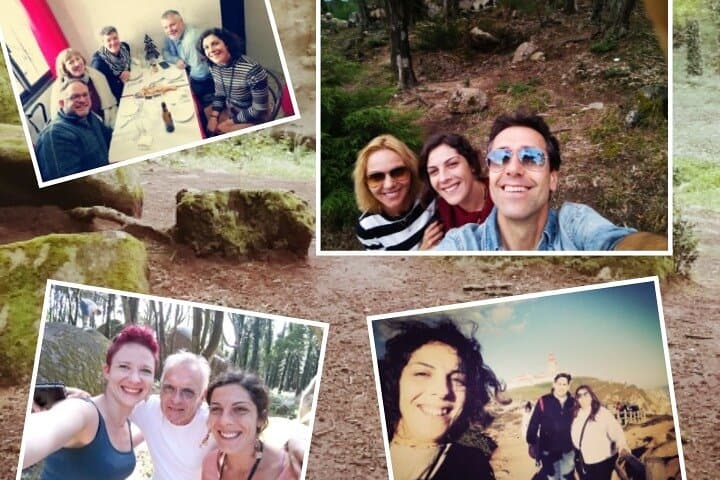
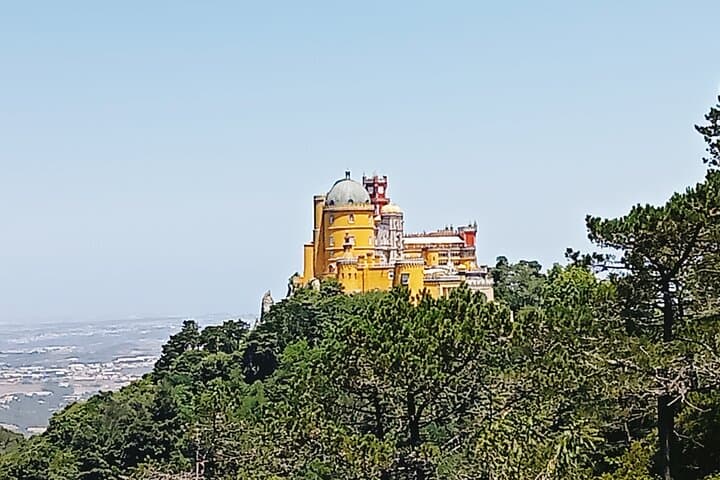
The day opens on a mist-softened valley where stone keeps memory like a ledger. You meet at Sintra Railway Station—rail-scarred, genteel—and within minutes a quiet ribbon of road carries you up into the sinus of the Sintra Mountains. Pines close in, their resin scent sharp as a promise, and the first flash of color appears: the candy-bright turrets of Pena Palace perched like an idea that refused to stay small.
The day opens on a mist-softened valley where stone keeps memory like a ledger. You meet at Sintra Railway Station—rail-scarred, genteel—and within minutes a quiet ribbon of road carries you up into the sinus of the Sintra Mountains. Pines close in, their resin scent sharp as a promise, and the first flash of color appears: the candy-bright turrets of Pena Palace perched like an idea that refused to stay small.
Sintra’s landscape reads like accumulated tastes: Moorish walls, Romantic excess, and the Atlantic lunging against granite cliffs at Cabo da Roca. The palaces arrived late—Pena was the indulgence of King Ferdinand II in the 19th century—overlaying medieval remnants with Manueline arches and exotic tiles. Quinta da Regaleira, by contrast, is a deliberate puzzle. Its initiation well and tangled grottoes were born of Masonic symbolism and a collector’s appetite for ritual, a place that still makes sunlight move as if testing a theory.
Geologically, Sintra is born of old granite forcing its way into softer rock; erosion and a maritime climate created the rounded knolls and microclimates that allow camellias and rare ferns to thrive. The coast, where the land ends, is a working landscape—fishermen, tiled villages like Azenhas do Mar, and the sea that has both fed and battered the region for centuries.
Local life threads through every stop. In the historic center, small pastry shops hawk queijadas and travesseiros—sugar-and-butter anchors to sustain a day of stairs and terraces. Guides here don’t just point at facades; they stitch stories—Templar remains, Napoleonic rattles, aristocratic soirées—into routes that keep you on the sunny side of crowded monuments.
Practical side: this is a long but manageable day. Expect seven to eight hours with intermittent walking—cobbled streets, steep castle steps, and uneven garden paths. Tickets to Pena and Quinta da Regaleira sell fast; arrange timing ahead to avoid lines. Wear grippy shoes, layer for the microclimate, and bring a daypack with water and a light rain shell—the mountains can flip weather in an hour.
If you want a quieter experience, aim for early entry at Pena or schedule Regaleira in mid-afternoon. Photography loves the golden hour at Cabo da Roca and the terraces of Pena; bring a wide lens and patience. Above all, let the place do the heavier lifting: Sintra rewards attention. Move slowly, ask about the odd tile, and leave room in your day for a pastry and a view.