THE ADVENTURE COLLECTIVE® · Independent discovery and booking for outdoor travel

Spend a private 6–8 hour day exploring Sintra’s castles, palaces and coastal cliffs. This guided door-to-door tour combines quick stops at Pena Palace, Castelo dos Mouros, Queluz and Cabo da Roca with local stories and practical logistics.
Spend a private 6–8 hour day exploring Sintra’s castles, palaces and coastal cliffs. This guided door-to-door tour combines quick stops at Pena Palace, Castelo dos Mouros, Queluz and Cabo da Roca with local stories and practical logistics.
You step out of an air-conditioned vehicle and the air changes—cooler, salt-tinged, threaded with pine and damp earth. Ahead, Pena National Palace sits bright as a painted stage set, its red and yellow façades peeking above eucalyptus and stone. Behind you, the driver shuts the door for a quick refill of bottled water; for the next six to eight hours the hills of Sintra will set the pace.
Verified experiences and guided adventures in the surrounding area.
Operated by Citytour Passeios · Sintra, Lisbon
You step out of an air-conditioned vehicle and the air changes—cooler, salt-tinged, threaded with pine and damp earth. Ahead, Pena National Palace sits bright as a painted stage set, its red and yellow façades peeking above eucalyptus and stone. Behind you, the driver shuts the door for a quick refill of bottled water; for the next six to eight hours the hills of Sintra will set the pace.
Sintra is more than a collection of photogenic monuments; it’s a layered story of geology and fashion. The granite knobs of the Serra de Sintra were sculpted by Atlantic winds and Pleistocene weathering, creating the high ridges that palaces perch upon. The town rose to prominence in the 18th and 19th centuries as royalty and foreign travelers—especially British romantics—rewrote the local architectural vocabulary, blending Moorish walls, neo-Gothic turrets, and Romantic-era gardens.
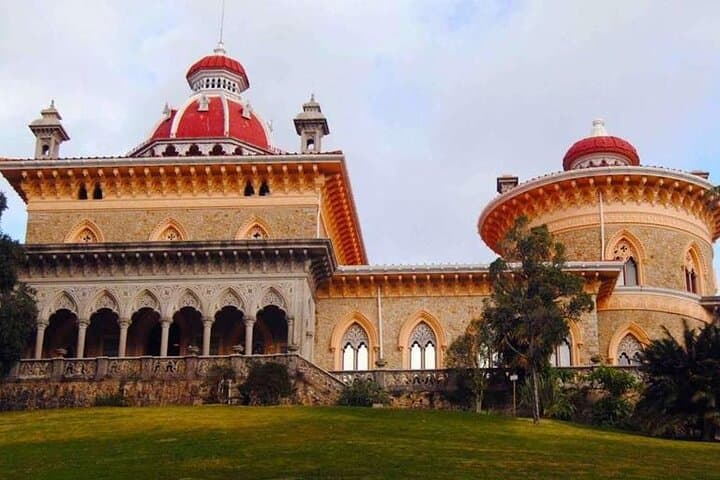
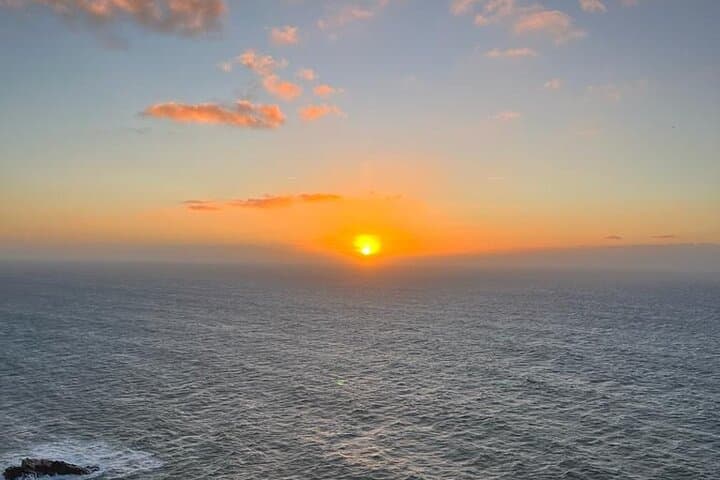
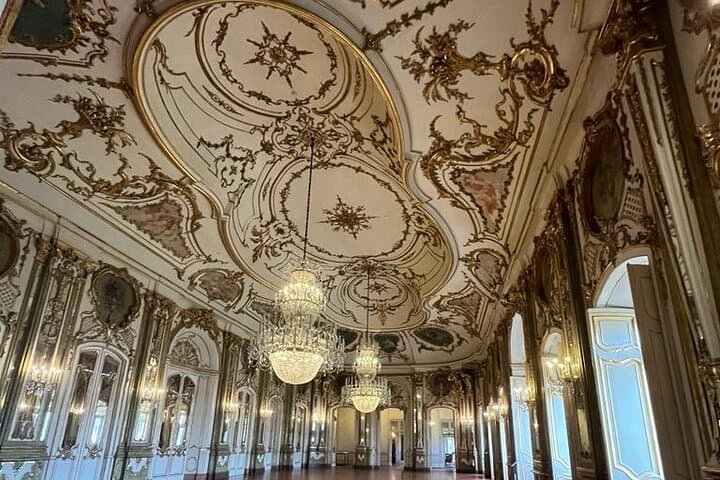
On this private day tour you’ll feel the variety in quick succession: the rococo opulence of Queluz’s salons, the fairytale roofs of Pena, the ancient ramparts of the Castelo dos Mouros and the shadowed paths of Monserrate’s park. The route usually swings west to Cabo da Roca—the literal edge of continental Europe—where cliffs dare the Atlantic and lighthouses stand watch.
Culturally, Sintra still trades in small luxuries: a pastry with local cream, a cup of ginginha—sour cherry liqueur—and the magnet you’ll inevitably buy in the town square. Many sites require separate admission if you want inside access (tickets often sell out for Pena and Quinta da Regaleira), so plan whether you want the guided overview from the vehicle or time to explore a palace’s interior.
Practical notes: the tour runs 360–480 minutes with door-to-door pickup for groups up to eight in an air-conditioned vehicle; bottled water and personal accident insurance are included. Expect cobbles, steep streets and stone staircases—comfortable walking shoes are essential, and layers are non-negotiable because microclimates can flip from sun to fog in an hour.
Timing matters: arrive early in peak season to avoid the midday crush at Pena and Quinta da Regaleira. If you want interior visits, purchase tickets ahead or ask your driver to stop at the ticket office first. Bring a small daypack, cash for snacks, and a camera with a wide-angle lens to capture palace roofs framed by forest. The tour is family-friendly—infant seats available—but not wheelchair-accessible across most sites.
By the end of the day you’ll have walked ramparts built by Moors, glimpsed 19th-century English romanticism in stone and tile, and watched the Atlantic push against the continent’s last cliff. It’s a compact introduction to one of Portugal’s most singular places: scenic, historic, and best seen with someone who knows how to read its layers.
moderate.
6–8 hours.
Suitable for travelers who can handle several short uphill walks and stairs over a full day.
No—most admissions are not included; the tour stops at viewpoints or outside of sites unless you purchase separate tickets in advance or request interior visits.
Pickup and drop-off are door-to-door from your hotel or a supplied meeting point; expect to be ready 30 minutes before departure time.
Yes—infant seats are available and the tour is family-friendly, though some sites have steep stairs and uneven surfaces.
You’ll do several short walks—up to an hour at some sites—over cobbles and staircases; overall the day includes light to moderate walking.
Sintra is cooler and more prone to fog than nearby Lisbon; dress in layers and bring a windproof jacket year-round.
As a private tour, many operators will adjust stops within the allotted time—ask about priority sites when booking.
Sintra’s landscape became a magnet for 19th-century Romantic travelers and aristocrats; its palaces reflect a mix of Moorish, Gothic and Romantic influences recognized as a UNESCO cultural landscape.
High visitor numbers strain fragile gardens and trails—stay on marked paths, avoid feeding wildlife and support local conservation fees when available.
Citytour Passeios operates guided outdoor trips and adventures with an emphasis on safety, stewardship, and memorable experiences.
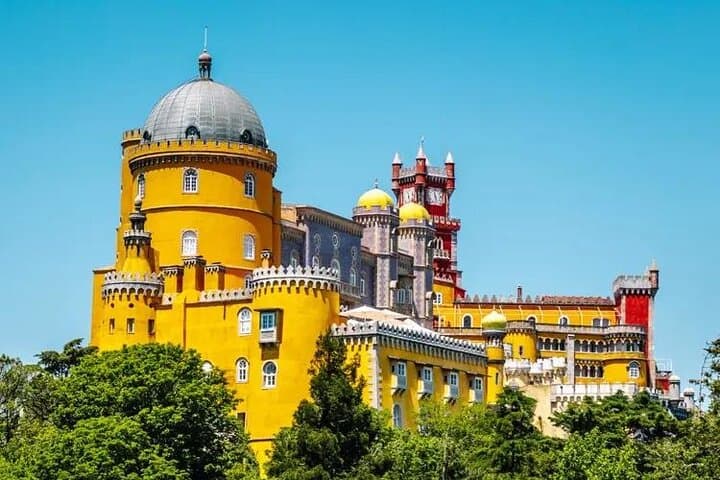
You step out of an air-conditioned vehicle and the air changes—cooler, salt-tinged, threaded with pine and damp earth. Ahead, Pena National Palace sits bright as a painted stage set, its red and yellow façades peeking above eucalyptus and stone. Behind you, the driver shuts the door for a quick refill of bottled water; for the next six to eight hours the hills of Sintra will set the pace.
You step out of an air-conditioned vehicle and the air changes—cooler, salt-tinged, threaded with pine and damp earth. Ahead, Pena National Palace sits bright as a painted stage set, its red and yellow façades peeking above eucalyptus and stone. Behind you, the driver shuts the door for a quick refill of bottled water; for the next six to eight hours the hills of Sintra will set the pace.
Sintra is more than a collection of photogenic monuments; it’s a layered story of geology and fashion. The granite knobs of the Serra de Sintra were sculpted by Atlantic winds and Pleistocene weathering, creating the high ridges that palaces perch upon. The town rose to prominence in the 18th and 19th centuries as royalty and foreign travelers—especially British romantics—rewrote the local architectural vocabulary, blending Moorish walls, neo-Gothic turrets, and Romantic-era gardens.
On this private day tour you’ll feel the variety in quick succession: the rococo opulence of Queluz’s salons, the fairytale roofs of Pena, the ancient ramparts of the Castelo dos Mouros and the shadowed paths of Monserrate’s park. The route usually swings west to Cabo da Roca—the literal edge of continental Europe—where cliffs dare the Atlantic and lighthouses stand watch.
Culturally, Sintra still trades in small luxuries: a pastry with local cream, a cup of ginginha—sour cherry liqueur—and the magnet you’ll inevitably buy in the town square. Many sites require separate admission if you want inside access (tickets often sell out for Pena and Quinta da Regaleira), so plan whether you want the guided overview from the vehicle or time to explore a palace’s interior.
Practical notes: the tour runs 360–480 minutes with door-to-door pickup for groups up to eight in an air-conditioned vehicle; bottled water and personal accident insurance are included. Expect cobbles, steep streets and stone staircases—comfortable walking shoes are essential, and layers are non-negotiable because microclimates can flip from sun to fog in an hour.
Timing matters: arrive early in peak season to avoid the midday crush at Pena and Quinta da Regaleira. If you want interior visits, purchase tickets ahead or ask your driver to stop at the ticket office first. Bring a small daypack, cash for snacks, and a camera with a wide-angle lens to capture palace roofs framed by forest. The tour is family-friendly—infant seats available—but not wheelchair-accessible across most sites.
By the end of the day you’ll have walked ramparts built by Moors, glimpsed 19th-century English romanticism in stone and tile, and watched the Atlantic push against the continent’s last cliff. It’s a compact introduction to one of Portugal’s most singular places: scenic, historic, and best seen with someone who knows how to read its layers.