THE ADVENTURE COLLECTIVE® · Independent discovery and booking for outdoor travel

Spend a single day moving from Sintra’s royal gardens to the cliff-edge drama of Cabo da Roca and the seaside elegance of Cascais. This small-group tour packs UNESCO history, hidden wells, and Atlantic panoramas into a seven-hour coastal loop.
Spend a single day moving from Sintra’s royal gardens to the cliff-edge drama of Cabo da Roca and the seaside elegance of Cascais. This small-group tour packs UNESCO history, hidden wells, and Atlantic panoramas into a seven-hour coastal loop.
A morning fog lifts over Sintra and the Pena Palace appears like a weathered painting atop a green crown. The bus eases through narrow, stone-lined streets and the guide’s voice cuts in—precise, local, unfussy—pointing out the palace’s candy-colored towers and the stairways that lead into centuries of royal eccentricity.
Verified experiences and guided adventures in the surrounding area.
Operated by Pipefly · Sintra, Lisbon District
A morning fog lifts over Sintra and the Pena Palace appears like a weathered painting atop a green crown. The bus eases through narrow, stone-lined streets and the guide’s voice cuts in—precise, local, unfussy—pointing out the palace’s candy-colored towers and the stairways that lead into centuries of royal eccentricity.
This seven-hour loop moves with confidence: a walk through Pena Palace park and terraces, a short visit to Quinta da Regaleira’s wells and hidden gardens, a windowed glimpse of the Moorish Castle, then a drive across the ridge of the Sintra Mountains into vineyards and windswept cliffs at Cabo da Roca—the western edge of continental Europe. The day closes along the Atlantic at Boca do Inferno and the elegant bay of Cascais, a royal summer resort since the late 19th century.
Sintra’s hills are an odd, geological neighbor to Lisbon: granite tors and fractured schists heave up from ancient tectonics, creating microclimates that allowed exotic gardens and Gothic follies to flourish when 19th-century aristocrats built their retreats. Quinta da Regaleira’s subterranean wells play into that history—ritualized architecture laid over a lush, green geology. At Cabo da Roca, the cliff faces drop roughly 140 meters into Atlantic churn, a raw reminder that the land here ends dramatically and the ocean keeps going.
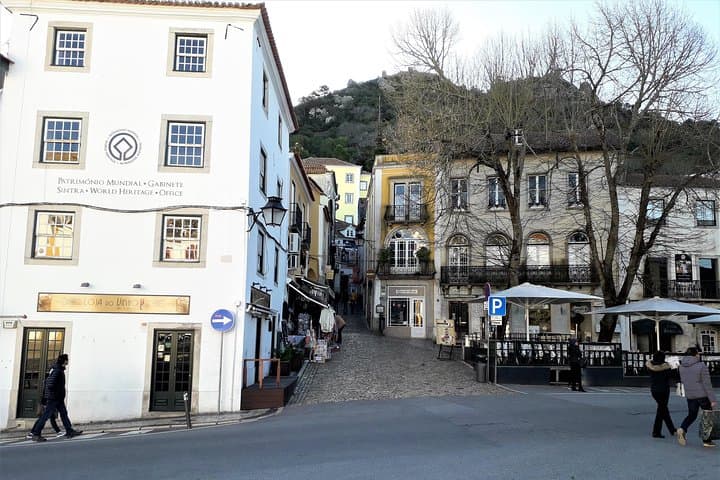
Culturally the route is compact and rich: the old town’s pastry shops sell queijadas and travesseiros—sugar-sweet proof of Sintra’s culinary folklore—while Cascais wears maritime elegance in its harbor cafés and tiled façades.
Practicalities that shape the day: you’ll meet at Sintra Train Station and travel in a small group (max eight), making multiple short stops for walks and photo ops. Entry to Pena Palace park and Quinta da Regaleira requires modest fees (typically €10–€12 each) and walking surfaces include garden paths, stairs, and cobbled lanes. Expect coastal winds at Cabo da Roca—bring a windproof layer and sturdy shoes for cliffside footing. The tour finishes in Cascais, where regular trains connect back to Lisbon; check schedules if you need a timed return.
Timing matters: start early to beat the tour buses at Pena and allow relaxed time in Quinta da Regaleira. Keep a daypack with water, sun protection, and a charged phone for photos; the guide provides local context but not skip-the-line admissions. For travelers who want compact history, geology, and dramatic coastlines folded into a single outing, this route delivers clear, memorable contrasts between inland romance and Atlantic edge.
easy.
7 hours.
Light fitness required—able to walk short distances, climb stairs, and stand on uneven ground for photo stops.
No—entry to Pena Palace park and Quinta da Regaleira are typically paid on site and cost around €10–€12 each.
Expect short to moderate walks in gardens and terraces, plus stairs and uneven cobbles; total walking is spread across several stops.
Yes—Cascais Train Station has frequent regional trains to Lisbon; plan for about 40–50 minutes to Cais do Sodré.
The tour lists stroller accessibility for short distances, but some gardens and wells have stairs and narrow paths that make full access limited.
The tour runs rain or shine since most stops are outdoor or roadside viewpoints; bring a rain shell and layers.
No—there’s time in Sintra Old Town and Cascais to buy snacks or meals, but the tour does not include catering.
Sintra is a UNESCO World Heritage site honored for its 19th-century Romantic architecture and designed landscapes that reflect royal leisure and botanical experimentation.
This route crosses the Sintra-Cascais Natural Park—stay on marked paths, avoid disturbing dunes and cliff edges, and limit single-use plastics to reduce visitor impact.
Pipefly operates guided outdoor trips and adventures with an emphasis on safety, stewardship, and memorable experiences.
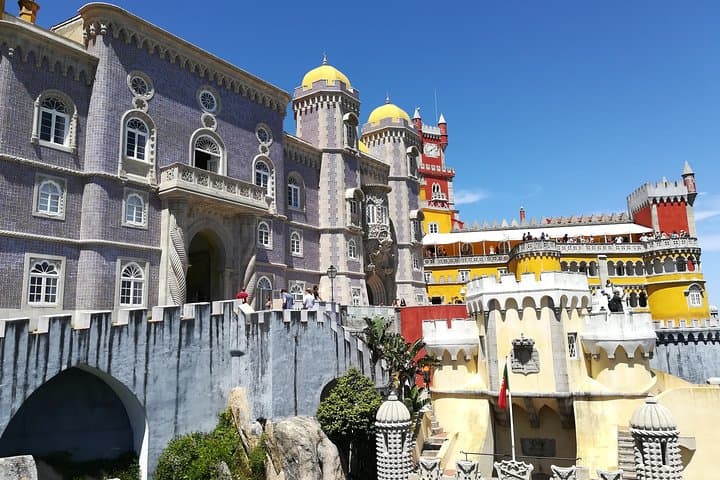
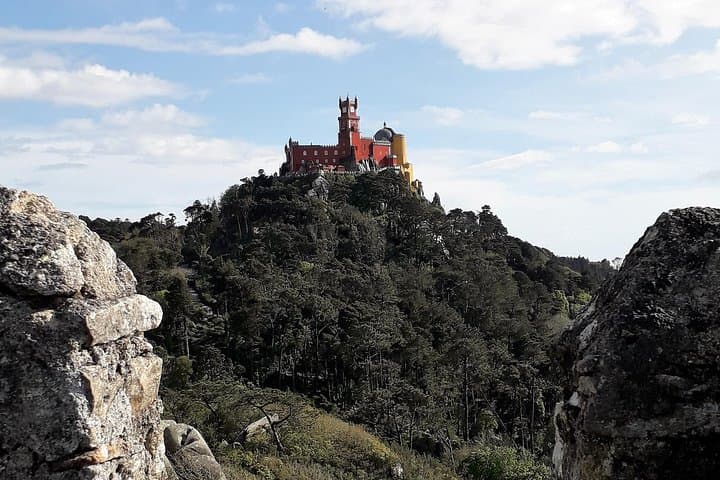
A morning fog lifts over Sintra and the Pena Palace appears like a weathered painting atop a green crown. The bus eases through narrow, stone-lined streets and the guide’s voice cuts in—precise, local, unfussy—pointing out the palace’s candy-colored towers and the stairways that lead into centuries of royal eccentricity.
A morning fog lifts over Sintra and the Pena Palace appears like a weathered painting atop a green crown. The bus eases through narrow, stone-lined streets and the guide’s voice cuts in—precise, local, unfussy—pointing out the palace’s candy-colored towers and the stairways that lead into centuries of royal eccentricity.
This seven-hour loop moves with confidence: a walk through Pena Palace park and terraces, a short visit to Quinta da Regaleira’s wells and hidden gardens, a windowed glimpse of the Moorish Castle, then a drive across the ridge of the Sintra Mountains into vineyards and windswept cliffs at Cabo da Roca—the western edge of continental Europe. The day closes along the Atlantic at Boca do Inferno and the elegant bay of Cascais, a royal summer resort since the late 19th century.
Sintra’s hills are an odd, geological neighbor to Lisbon: granite tors and fractured schists heave up from ancient tectonics, creating microclimates that allowed exotic gardens and Gothic follies to flourish when 19th-century aristocrats built their retreats. Quinta da Regaleira’s subterranean wells play into that history—ritualized architecture laid over a lush, green geology. At Cabo da Roca, the cliff faces drop roughly 140 meters into Atlantic churn, a raw reminder that the land here ends dramatically and the ocean keeps going.
Culturally the route is compact and rich: the old town’s pastry shops sell queijadas and travesseiros—sugar-sweet proof of Sintra’s culinary folklore—while Cascais wears maritime elegance in its harbor cafés and tiled façades.
Practicalities that shape the day: you’ll meet at Sintra Train Station and travel in a small group (max eight), making multiple short stops for walks and photo ops. Entry to Pena Palace park and Quinta da Regaleira requires modest fees (typically €10–€12 each) and walking surfaces include garden paths, stairs, and cobbled lanes. Expect coastal winds at Cabo da Roca—bring a windproof layer and sturdy shoes for cliffside footing. The tour finishes in Cascais, where regular trains connect back to Lisbon; check schedules if you need a timed return.
Timing matters: start early to beat the tour buses at Pena and allow relaxed time in Quinta da Regaleira. Keep a daypack with water, sun protection, and a charged phone for photos; the guide provides local context but not skip-the-line admissions. For travelers who want compact history, geology, and dramatic coastlines folded into a single outing, this route delivers clear, memorable contrasts between inland romance and Atlantic edge.