THE ADVENTURE COLLECTIVE® · Independent discovery and booking for outdoor travel

Spend a day moving from hilltop palaces to the western edge of continental Europe and end in a lively coastal town. This private full-day tour from Lisbon pairs dramatic viewpoints with local flavors and door-to-door convenience.
Spend a day moving from hilltop palaces to the western edge of continental Europe and end in a lively coastal town. This private full-day tour from Lisbon pairs dramatic viewpoints with local flavors and door-to-door convenience.
You start before dawn in Lisbon, the city light still clinging to the Tagus, and the van eases up the A37 toward the Sintra hills. The road tightens into hairpins and the air cools; then the palace appears—an improbable carnival of ochre and rose jammed onto a green crest. Walking toward Pena Palace feels like climbing into a story: tilework glints, stone stairways curve like the spines of old books, and the forest around you breathes and shifts as if it has secrets to tell.
Verified experiences and guided adventures in the surrounding area.
Operated by Performance Lanes - TOURS E TRANSFERES · Sintra, Lisbon
You start before dawn in Lisbon, the city light still clinging to the Tagus, and the van eases up the A37 toward the Sintra hills. The road tightens into hairpins and the air cools; then the palace appears—an improbable carnival of ochre and rose jammed onto a green crest. Walking toward Pena Palace feels like climbing into a story: tilework glints, stone stairways curve like the spines of old books, and the forest around you breathes and shifts as if it has secrets to tell.
Sintra's romanticism was cultivated in the 19th century by King Ferdinand II, who turned remote hills into stage sets—Pena Palace and the enigmatic Quinta da Regaleira are the era's loudest lines. Geologically, these peaks are the eroded remains of an ancient massif—granite and schist that resist the Atlantic's pull—while Cabo da Roca, later in the day, offers a different geology: raw limestone cliffs that drop straight into a sea that dares you to stand too close.
The route traces a cultural arc from aristocratic follies to rugged seaboard life. Sintra's narrow streets sell travesseiros, a flaky sweet that spread like a local legend. At Cabo da Roca you feel continental edges: wind, gulls and waves that punch against basalt ribs. Cascais, once a fishing village, has a polished face now—marina cafes, strip-lit promenades—yet you can still find aging nets and the slow rhythm of those who made a living from the sea.
Practically: this is a door-to-door private tour that runs 8–10 hours. Tickets to Pena Palace and Quinta da Regaleira are not included, so plan for 15–25 EUR per site and buy online in high season to skip lines. Expect short, steep walks at Pena (the palace sits roughly 500 m above sea level) and well-paved promenades in Cascais. The van provides onboard Wi-Fi and bottled water, and the driver-guide will manage parking and routing so you squeeze the most scenery into the day.
Timing is everything: aim for the palace first to catch cooler morning light and fewer crowds, then descend into the village for a pastry and a slow coffee. Cabo da Roca's gusts are strongest mid-afternoon; hold onto hats and cameras. Bring layered clothing—the coast can be ten degrees cooler than Lisbon—and sturdy shoes for uneven stone steps and muddy garden paths.
This is a turn-key experience for travelers who want deep visuals with minimal logistics: artful castles, cliff-edge drama and a seaside finale. With a private vehicle and a local driver who doubles as a guide, the day feels like a curated route through Portugal's most theatrical landscapes.
easy.
8–10 hours.
Suitable for most travelers with normal mobility; involves short walks and brief stair climbs.
No, tickets for Pena Palace and Quinta da Regaleira are not included; plan to purchase them separately or ask your guide to help on the day.
Yes—there is typically an hour in Cascais for strolling, shopping and eating; many travelers opt for seafood near the marina.
Yes—pickup and return at most Lisbon hotels or a nearby meeting point are included; confirm your exact address during booking.
Vehicles and many public areas are accessible, but historic palaces and gardens have steps and uneven surfaces that may limit access.
Expect short walks totaling 2–4 kilometers over the day, including stair climbs at Pena Palace and Regaleira.
The tour runs year-round; coastal weather can be blustery but the itinerary is largely maintained—check cancellation terms for refunds within 24 hours.
Sintra became a retreat for Portuguese nobility in the 19th century, transforming forested hills into romantic palaces and gardens influenced by European artistic trends.
Coastal cliffs at Cabo da Roca are fragile; stay on marked paths to protect endemic plants and prevent erosion. Local operators increasingly emphasize low-impact visiting practices.
Performance Lanes - TOURS E TRANSFERES operates guided outdoor trips and adventures with an emphasis on safety, stewardship, and memorable experiences.
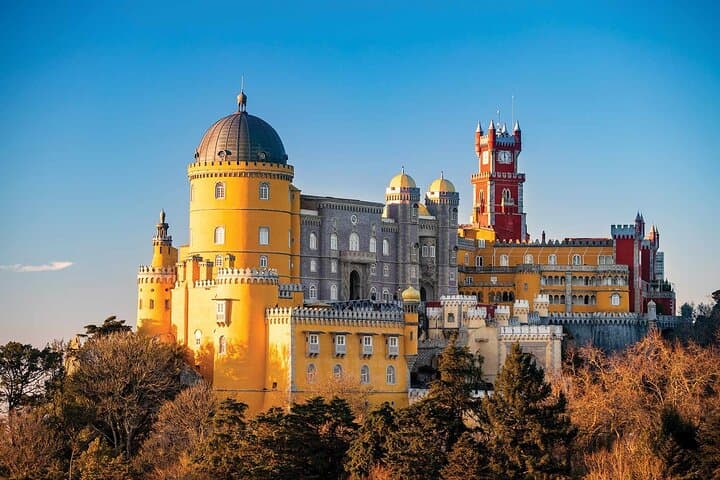
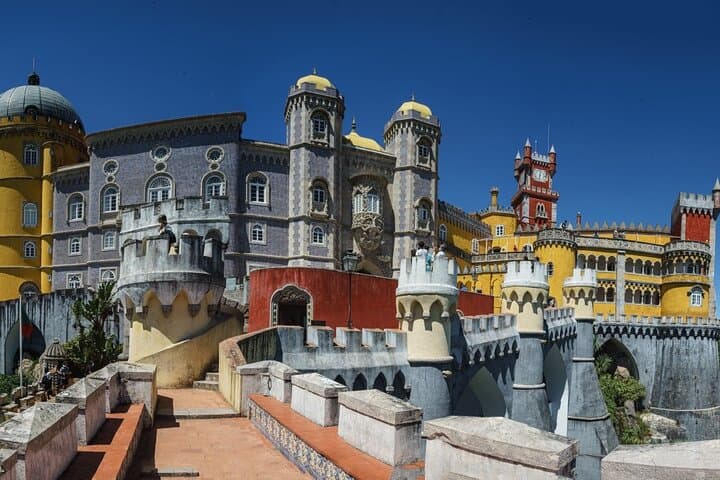
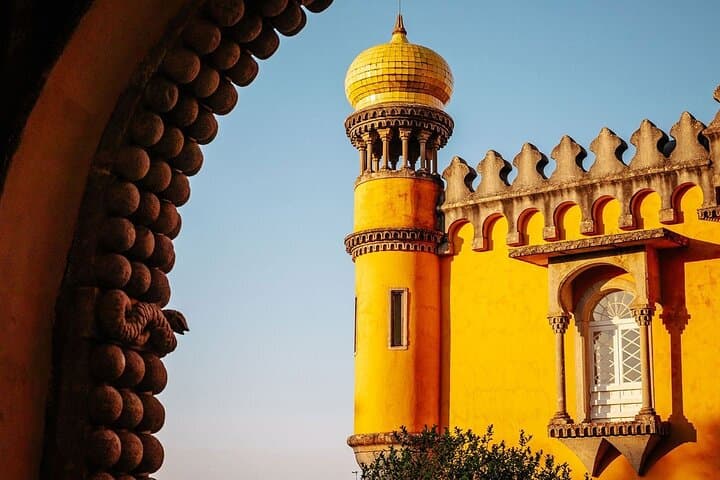
You start before dawn in Lisbon, the city light still clinging to the Tagus, and the van eases up the A37 toward the Sintra hills. The road tightens into hairpins and the air cools; then the palace appears—an improbable carnival of ochre and rose jammed onto a green crest. Walking toward Pena Palace feels like climbing into a story: tilework glints, stone stairways curve like the spines of old books, and the forest around you breathes and shifts as if it has secrets to tell.
You start before dawn in Lisbon, the city light still clinging to the Tagus, and the van eases up the A37 toward the Sintra hills. The road tightens into hairpins and the air cools; then the palace appears—an improbable carnival of ochre and rose jammed onto a green crest. Walking toward Pena Palace feels like climbing into a story: tilework glints, stone stairways curve like the spines of old books, and the forest around you breathes and shifts as if it has secrets to tell.
Sintra's romanticism was cultivated in the 19th century by King Ferdinand II, who turned remote hills into stage sets—Pena Palace and the enigmatic Quinta da Regaleira are the era's loudest lines. Geologically, these peaks are the eroded remains of an ancient massif—granite and schist that resist the Atlantic's pull—while Cabo da Roca, later in the day, offers a different geology: raw limestone cliffs that drop straight into a sea that dares you to stand too close.
The route traces a cultural arc from aristocratic follies to rugged seaboard life. Sintra's narrow streets sell travesseiros, a flaky sweet that spread like a local legend. At Cabo da Roca you feel continental edges: wind, gulls and waves that punch against basalt ribs. Cascais, once a fishing village, has a polished face now—marina cafes, strip-lit promenades—yet you can still find aging nets and the slow rhythm of those who made a living from the sea.
Practically: this is a door-to-door private tour that runs 8–10 hours. Tickets to Pena Palace and Quinta da Regaleira are not included, so plan for 15–25 EUR per site and buy online in high season to skip lines. Expect short, steep walks at Pena (the palace sits roughly 500 m above sea level) and well-paved promenades in Cascais. The van provides onboard Wi-Fi and bottled water, and the driver-guide will manage parking and routing so you squeeze the most scenery into the day.
Timing is everything: aim for the palace first to catch cooler morning light and fewer crowds, then descend into the village for a pastry and a slow coffee. Cabo da Roca's gusts are strongest mid-afternoon; hold onto hats and cameras. Bring layered clothing—the coast can be ten degrees cooler than Lisbon—and sturdy shoes for uneven stone steps and muddy garden paths.
This is a turn-key experience for travelers who want deep visuals with minimal logistics: artful castles, cliff-edge drama and a seaside finale. With a private vehicle and a local driver who doubles as a guide, the day feels like a curated route through Portugal's most theatrical landscapes.