THE ADVENTURE COLLECTIVE® · Independent discovery and booking for outdoor travel

A single day that moves from Sintra’s romantic palaces to the windswept cliffs of Cabo da Roca and the fishing charm of Cascais. This private tour balances architecture, geology and coastal life with practical timing and local insight.
A single day that moves from Sintra’s romantic palaces to the windswept cliffs of Cabo da Roca and the fishing charm of Cascais. This private tour balances architecture, geology and coastal life with practical timing and local insight.
You step out of the Mercedes Vito into a humidity that smells of pine and Atlantic salt; the road up to Sintra pins you to the passenger window with a fast scroll of stone walls, tilled garden terraces and sudden glimpses of fairytale roofs. The first stop—Pena Palace—sits like a painted memory on a rounded hill, its terraces and battlements lifting above mossed oak and eucalyptus. For a day, history, geology and the sea trade places: palaces and pagan wells give way to basalt cliffs where the Atlantic pushes and pulls at continental Europe’s western edge.
Verified experiences and guided adventures in the surrounding area.
Operated by Inês Tours · Sintra, Lisbon District
You step out of the Mercedes Vito into a humidity that smells of pine and Atlantic salt; the road up to Sintra pins you to the passenger window with a fast scroll of stone walls, tilled garden terraces and sudden glimpses of fairytale roofs. The first stop—Pena Palace—sits like a painted memory on a rounded hill, its terraces and battlements lifting above mossed oak and eucalyptus. For a day, history, geology and the sea trade places: palaces and pagan wells give way to basalt cliffs where the Atlantic pushes and pulls at continental Europe’s western edge.
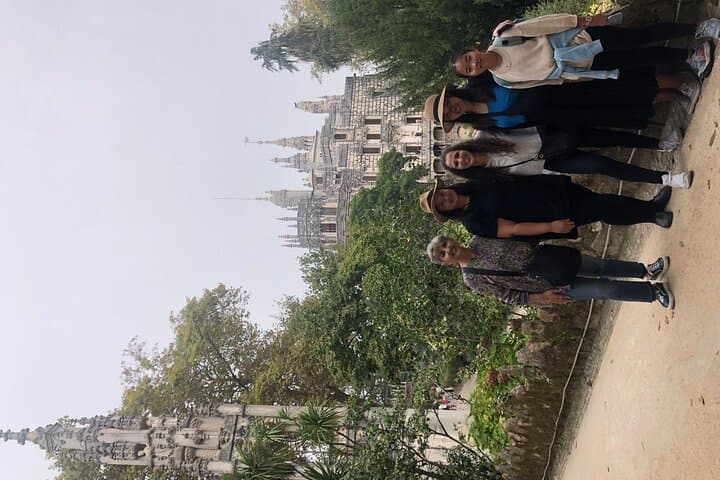
Sintra’s appeal isn’t accidental. Since the Middle Ages the town drew monarchs and mystics because of its freshwater springs and cooler microclimate. Geologically you cross from Cambrian schist under Sintra’s hills to the Cretaceous limestones that shape the dramatic headlands around Cabo da Roca. Quinta da Regaleira’s plunging initiation well and tiled chapels are cultural footnotes to a landscape that has been reshaped by human hands for centuries—royal gardens, Romantic-era follies and small fishing coves where nets still dry the old way.
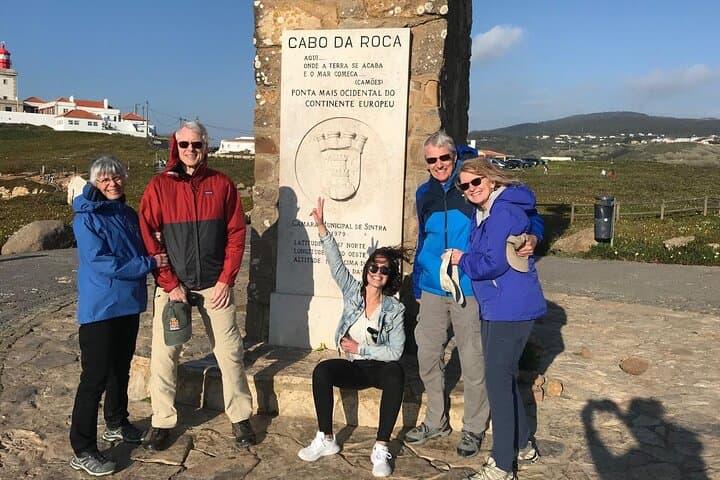
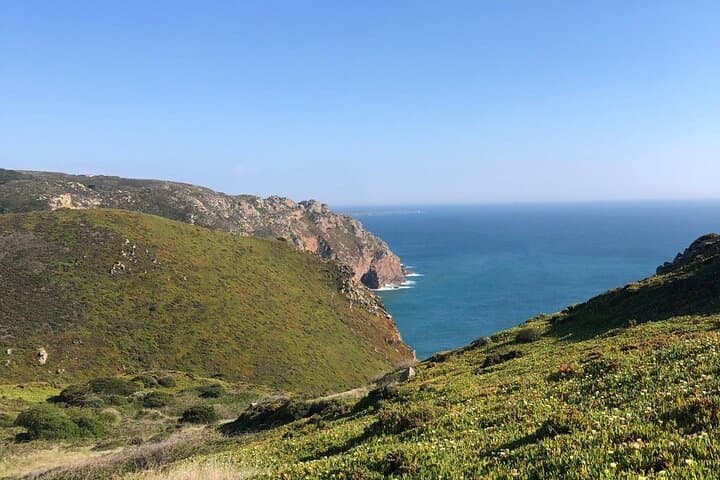
The tour stitches together the high and the coast. Expect short walks—1–2 km loops at Pena and the Moorish Castle with some cobbled, steep stretches (plan on 100–200 m of elevation gain from the town center to palace terraces). At Cabo da Roca the path along the cliff is under 1 km but exposed; wind and spray are constant companions. Cascais offers flat, paved promenades and the jagged, dramatic blowhole of Boca do Inferno, where the sea chases itself through a natural arch.
Practical edge: bring footwear with grippy soles for cobbles and rocky headlands, a compact windproof layer for the coast and a small daypack for water and a camera. Lunch is typically in a local restaurant in Sintra—Portuguese classics and fresh seafood are the norm; notify guides of dietary needs ahead of time. The tour is private and wheelchair-accessible in parts, but historic sites have stairs and uneven ground that limit access.
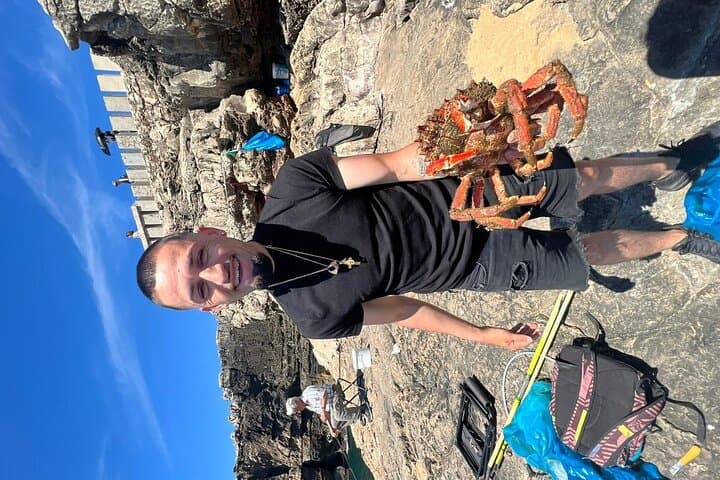
Timing matters: morning in Pena avoids the largest crowds and gives clearer air for photos; late afternoon at Cabo da Roca softens the light on the cliffs. Respect trails and cliff edges—erosion is active and fragile—and allow time for the fishermen’s cove if you want a quick look at traditional lines and local species.
This itinerary packs a lot—royal architecture, secretive gardens and the Atlantic’s raw edge—into a single day, but it’s designed to leave you with both a sense of place and concrete plans for getting the most from each stop.
moderate.
6–8 hours.
Moderate fitness—able to walk up steep, cobbled paths and stand for short intervals
No—this private tour provides transportation and guiding; admissions to monuments aren’t included so buy tickets ahead or pay on arrival.
Expect roughly 40–50 minutes to Sintra from central Lisbon and another 30–40 minutes to Cabo da Roca, depending on traffic.
Yes—many sites are family-friendly but historic sites have stairs and uneven surfaces; notify the operator about mobility needs.
Yes—there’s a scheduled lunch stop in Sintra at a traditional restaurant; inform the guide of dietary restrictions when booking.
The tour runs in light rain (bring waterproof layers); cancellation policies depend on weather and operator discretion—check terms when booking.
Yes—this private tour offers flexible pickup options from hotels, ports and the airport; confirm your pickup point during booking.
Sintra became a favored royal retreat from the Middle Ages and exploded as a Romantic-era destination in the 19th century; Cabo da Roca was long marked as Europe’s westernmost continental point in maritime lore.
Coastal cliffs and dune systems are sensitive to erosion—stay on marked paths and avoid disturbing vegetation; local guides support low-impact tourism.
Inês Tours operates guided outdoor trips and adventures with an emphasis on safety, stewardship, and memorable experiences.
You step out of the Mercedes Vito into a humidity that smells of pine and Atlantic salt; the road up to Sintra pins you to the passenger window with a fast scroll of stone walls, tilled garden terraces and sudden glimpses of fairytale roofs. The first stop—Pena Palace—sits like a painted memory on a rounded hill, its terraces and battlements lifting above mossed oak and eucalyptus. For a day, history, geology and the sea trade places: palaces and pagan wells give way to basalt cliffs where the Atlantic pushes and pulls at continental Europe’s western edge.
You step out of the Mercedes Vito into a humidity that smells of pine and Atlantic salt; the road up to Sintra pins you to the passenger window with a fast scroll of stone walls, tilled garden terraces and sudden glimpses of fairytale roofs. The first stop—Pena Palace—sits like a painted memory on a rounded hill, its terraces and battlements lifting above mossed oak and eucalyptus. For a day, history, geology and the sea trade places: palaces and pagan wells give way to basalt cliffs where the Atlantic pushes and pulls at continental Europe’s western edge.
Sintra’s appeal isn’t accidental. Since the Middle Ages the town drew monarchs and mystics because of its freshwater springs and cooler microclimate. Geologically you cross from Cambrian schist under Sintra’s hills to the Cretaceous limestones that shape the dramatic headlands around Cabo da Roca. Quinta da Regaleira’s plunging initiation well and tiled chapels are cultural footnotes to a landscape that has been reshaped by human hands for centuries—royal gardens, Romantic-era follies and small fishing coves where nets still dry the old way.
The tour stitches together the high and the coast. Expect short walks—1–2 km loops at Pena and the Moorish Castle with some cobbled, steep stretches (plan on 100–200 m of elevation gain from the town center to palace terraces). At Cabo da Roca the path along the cliff is under 1 km but exposed; wind and spray are constant companions. Cascais offers flat, paved promenades and the jagged, dramatic blowhole of Boca do Inferno, where the sea chases itself through a natural arch.
Practical edge: bring footwear with grippy soles for cobbles and rocky headlands, a compact windproof layer for the coast and a small daypack for water and a camera. Lunch is typically in a local restaurant in Sintra—Portuguese classics and fresh seafood are the norm; notify guides of dietary needs ahead of time. The tour is private and wheelchair-accessible in parts, but historic sites have stairs and uneven ground that limit access.
Timing matters: morning in Pena avoids the largest crowds and gives clearer air for photos; late afternoon at Cabo da Roca softens the light on the cliffs. Respect trails and cliff edges—erosion is active and fragile—and allow time for the fishermen’s cove if you want a quick look at traditional lines and local species.
This itinerary packs a lot—royal architecture, secretive gardens and the Atlantic’s raw edge—into a single day, but it’s designed to leave you with both a sense of place and concrete plans for getting the most from each stop.