THE ADVENTURE COLLECTIVE® · Independent discovery and booking for outdoor travel

A full-day circuit from Lisbon that pairs the fairytale palaces of Sintra with the rugged cliffs of Cabo da Roca and the seaside charm of Cascais—perfect for one day of varied landscapes, short hikes, and cultural immersion.
A full-day circuit from Lisbon that pairs the fairytale palaces of Sintra with the rugged cliffs of Cabo da Roca and the seaside charm of Cascais—perfect for one day of varied landscapes, short hikes, and cultural immersion.
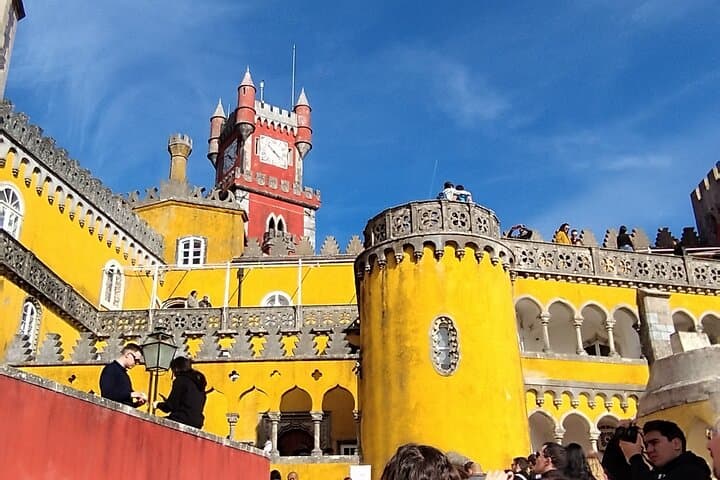
You step out of the van into a cool, fragrant air that smells of pine and the ocean — Sintra doesn’t announce itself so much as rearrange your senses. Cobbled lanes climb between tile-roofed houses, and at the ridge above a candy-colored palace juts from the summit like something sketched in a child’s book and painted by a romantic. The day begins with that lifted feeling: 30 minutes from Lisbon, and you’re already in a different climate and era.
Verified experiences and guided adventures in the surrounding area.
Operated by ExoticAround · Sintra, Lisbon
You step out of the van into a cool, fragrant air that smells of pine and the ocean — Sintra doesn’t announce itself so much as rearrange your senses. Cobbled lanes climb between tile-roofed houses, and at the ridge above a candy-colored palace juts from the summit like something sketched in a child’s book and painted by a romantic. The day begins with that lifted feeling: 30 minutes from Lisbon, and you’re already in a different climate and era.
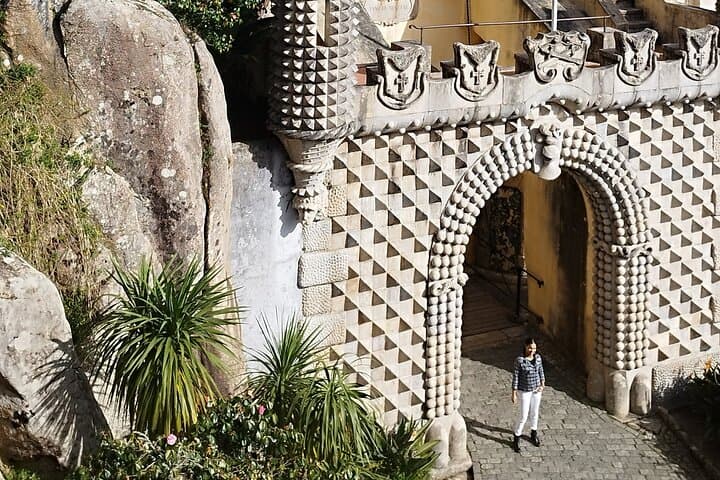
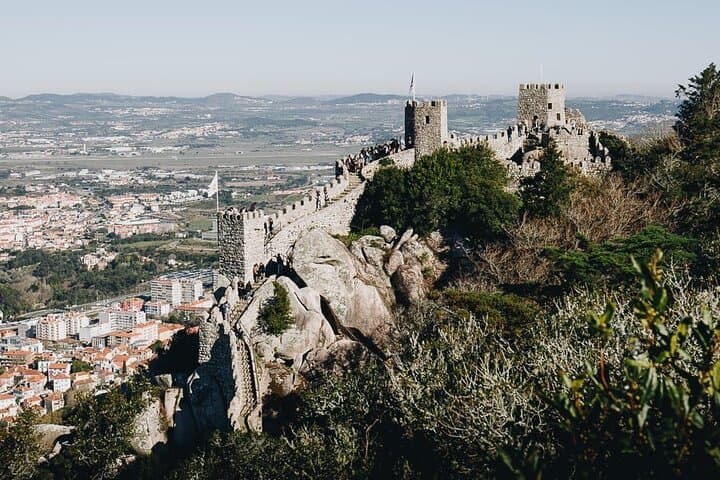
Sintra’s history reads like a condensed tour of Iberian tastes: Moorish castles, a courtly hilltop town favored by Portuguese royalty, and a 19th-century Romantic movement that turned the hills into an eclectic playground for princes and eccentrics. Pena Palace, with its onion domes and ochre walls, sits amid eucalyptus and cork oak — the gardens themselves are a living museum of exotic plants collected from across the Portuguese empire. Below, the Quinta da Regaleira folds inward: wells, grottoes and secret stairways carved into the hillside that reward curiosity more than haste.
From forest to cliff in less than an hour, the coast at Azenhas do Mar and Cabo da Roca reminds you that this landscape is young and sharp where land meets the Atlantic. Cabo da Roca, the westernmost point of mainland Europe, presents sheer cliffs and wind that feels like an honest tug; the stone marker and small lighthouse are punctuation marks on a coastline sculpted by relentless waves. Further along, Boca do Inferno demonstrates what persistence does to rock — sea caves and blowholes hammered by centuries of surf.
Cascais and Estoril offer a softer counterpoint: pastels, marinas and beaches where swimmers and surfers share the water. The day’s rhythm—palace gardens, cliffside breath-taking, seaside promenades—lets you experience a compact cross-section of Portuguese geography and culture without losing the nuance.
Practical guidance: expect 8–9 hours on the road with multiple short stops and 2–3 hours of walking across cobbles and stairs. Wear sturdy shoes for uneven surfaces, bring layers for coastal wind and hilltop chill, and carry cash for small cafés and museum shops. Water is provided, but refillable bottles and sun protection matter in summer. If you’d rather linger at a site, note the day tour’s schedule and prioritize the places you want to explore.
Local tips: arrive at Pena early or late afternoon to avoid tour groups; use the Quinta’s underground paths to see less-crowded details; at Cabo da Roca, keep to signed trails — the cliffs are unstable. This route is as much about sensory contrasts as landmarks: historic stone, Atlantic salt, and the scent of eucalyptus make for a memorable Portuguese day trip.
easy.
8–9 hours.
Suitable for most fitness levels; involves short to moderate walks on uneven ground and stairs.
Yes, the tour includes entrance to the Pena Palace gardens as part of the itinerary.
Pickup details are provided in advance and the tour typically meets participants at a prearranged central Lisbon location or specified address.
Yes—strollers are accessible in many areas, but expect cobbled streets and steps in some places that require a carrier or folding stroller.
The schedule is fixed for the 8–9 hour tour; discuss on booking if you need extra time—private options may allow longer stays.
Yes—there are cafés and public restrooms in Sintra and Cascais, though facilities at Cabo da Roca are limited, so plan accordingly.
The tour operates rain or shine; cancellation policy allows a full refund if you cancel at least 24 hours in advance.
Sintra has been a strategic highland and royal retreat since Moorish times and became a focus of 19th-century Romantic architecture, earning UNESCO status for its cultural landscape.
Most sites sit inside the Sintra-Cascais Natural Park—stick to marked trails to protect fragile cliff vegetation and historic gardens; local guides help minimize visitor impact.
ExoticAround operates guided outdoor trips and adventures with an emphasis on safety, stewardship, and memorable experiences.

You step out of the van into a cool, fragrant air that smells of pine and the ocean — Sintra doesn’t announce itself so much as rearrange your senses. Cobbled lanes climb between tile-roofed houses, and at the ridge above a candy-colored palace juts from the summit like something sketched in a child’s book and painted by a romantic. The day begins with that lifted feeling: 30 minutes from Lisbon, and you’re already in a different climate and era.
You step out of the van into a cool, fragrant air that smells of pine and the ocean — Sintra doesn’t announce itself so much as rearrange your senses. Cobbled lanes climb between tile-roofed houses, and at the ridge above a candy-colored palace juts from the summit like something sketched in a child’s book and painted by a romantic. The day begins with that lifted feeling: 30 minutes from Lisbon, and you’re already in a different climate and era.
Sintra’s history reads like a condensed tour of Iberian tastes: Moorish castles, a courtly hilltop town favored by Portuguese royalty, and a 19th-century Romantic movement that turned the hills into an eclectic playground for princes and eccentrics. Pena Palace, with its onion domes and ochre walls, sits amid eucalyptus and cork oak — the gardens themselves are a living museum of exotic plants collected from across the Portuguese empire. Below, the Quinta da Regaleira folds inward: wells, grottoes and secret stairways carved into the hillside that reward curiosity more than haste.
From forest to cliff in less than an hour, the coast at Azenhas do Mar and Cabo da Roca reminds you that this landscape is young and sharp where land meets the Atlantic. Cabo da Roca, the westernmost point of mainland Europe, presents sheer cliffs and wind that feels like an honest tug; the stone marker and small lighthouse are punctuation marks on a coastline sculpted by relentless waves. Further along, Boca do Inferno demonstrates what persistence does to rock — sea caves and blowholes hammered by centuries of surf.
Cascais and Estoril offer a softer counterpoint: pastels, marinas and beaches where swimmers and surfers share the water. The day’s rhythm—palace gardens, cliffside breath-taking, seaside promenades—lets you experience a compact cross-section of Portuguese geography and culture without losing the nuance.
Practical guidance: expect 8–9 hours on the road with multiple short stops and 2–3 hours of walking across cobbles and stairs. Wear sturdy shoes for uneven surfaces, bring layers for coastal wind and hilltop chill, and carry cash for small cafés and museum shops. Water is provided, but refillable bottles and sun protection matter in summer. If you’d rather linger at a site, note the day tour’s schedule and prioritize the places you want to explore.
Local tips: arrive at Pena early or late afternoon to avoid tour groups; use the Quinta’s underground paths to see less-crowded details; at Cabo da Roca, keep to signed trails — the cliffs are unstable. This route is as much about sensory contrasts as landmarks: historic stone, Atlantic salt, and the scent of eucalyptus make for a memorable Portuguese day trip.