THE ADVENTURE COLLECTIVE® · Independent discovery and booking for outdoor travel

A single day that stitches Sintra’s romantic palaces to the raw cliffs of Cabo da Roca and the seaside polish of Cascais. Expect cobbled streets, high viewpoints and a brisk Atlantic wind—the perfect compact introduction to Portugal’s western edge.
A single day that stitches Sintra’s romantic palaces to the raw cliffs of Cabo da Roca and the seaside polish of Cascais. Expect cobbled streets, high viewpoints and a brisk Atlantic wind—the perfect compact introduction to Portugal’s western edge.
The morning starts in Lisbon with the city still rubbing sleep from its eyes as a small, modern van eases out of the Avenida and onto the coastal road. Within thirty minutes the tiled roofs flatten into green folds: Sintra’s hills appear through a veil of low cloud, the Pena Palace sitting like a painted prop above pines and laurel. The guide’s voice—measured, local—unwraps legends between the towns: Romantic poets who fled summer heat, monarchs who built unorthodox palaces, and seafarers who once used the jagged coast as a final landmark before crossing the Atlantic.
Verified experiences and guided adventures in the surrounding area.
Operated by Andre Marques · Sintra, Lisbon District
The morning starts in Lisbon with the city still rubbing sleep from its eyes as a small, modern van eases out of the Avenida and onto the coastal road. Within thirty minutes the tiled roofs flatten into green folds: Sintra’s hills appear through a veil of low cloud, the Pena Palace sitting like a painted prop above pines and laurel. The guide’s voice—measured, local—unwraps legends between the towns: Romantic poets who fled summer heat, monarchs who built unorthodox palaces, and seafarers who once used the jagged coast as a final landmark before crossing the Atlantic.
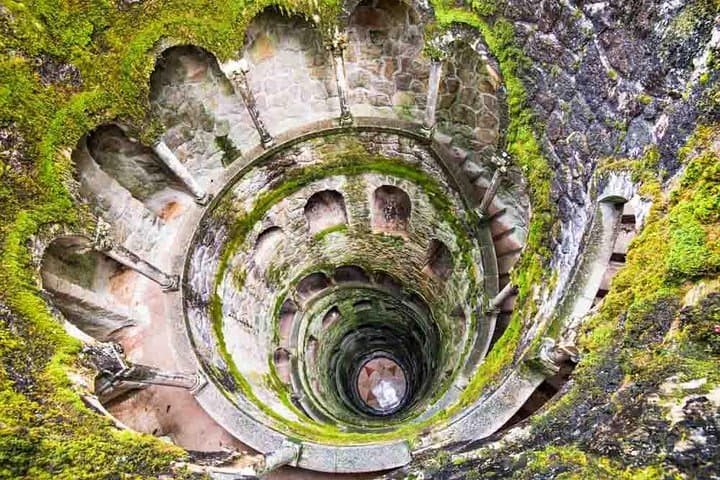
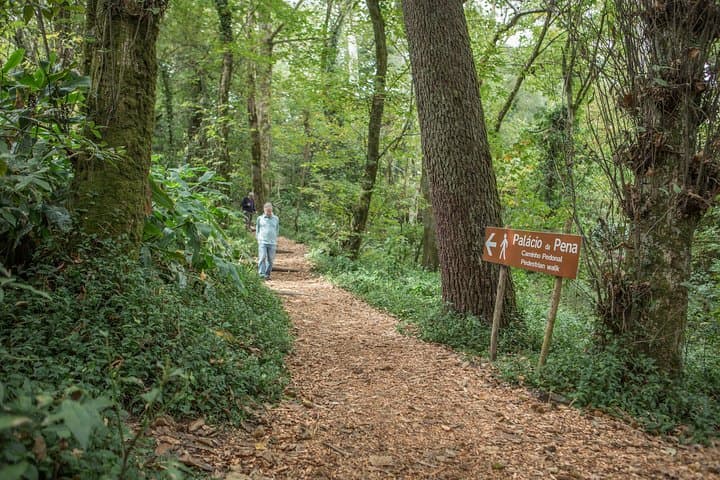
In Sintra, cobblestone lanes tilt and demand attention. The National Palace of Sintra anchors the old quarter with chimneys that look more like sculptures than exhausts. Higher, Pena Park’s paths climb to 528 meters, where whimsical domes and Moorish battlements demand a steady step and a longer look. Regaleira, if included, pulls visitors down into an initiation well—stone staircases spiraling into cool, damp air where Masonic symbols and alchemical motifs prick curiosity.
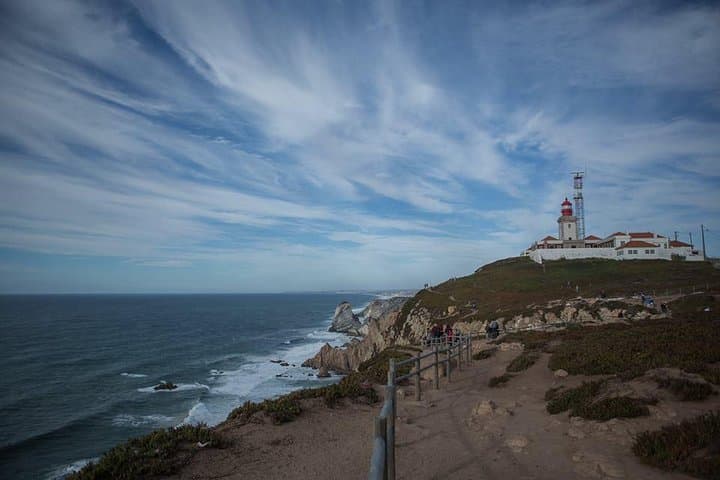
The geology explains the drama: granite outcrops, eroded schist and sandstone create the steep ridges that hold the palaces above Lisbon’s coastal plain. An hour later the land falls away and the Atlantic takes over—Cabo da Roca’s cliff line plunges roughly 140 meters into a restless ocean. The lighthouse watches wind that will test even the most confident layers; waves throw themselves against the rocks at Boca do Inferno and announce their presence with a deafening rush.
Cascais softens the day. Once a royal retreat, it now balances marina polished boats with a working fish market and seaside promenades where locals sip coffee. Between these stops the tour offers a carefully paced procession—pass-by views, short walks, optional palace admissions and local flavors such as a queijada pastry to tuck into on the road.
Practical edge: this is a 7-hour private or small-group drive from Lisbon with hotel pickup available; expect moderate walking over uneven cobbles and hills. Book ahead for Pena or Regaleira entrance to skip lines, bring windproof layers for Cabo da Roca, and allow extra time for photography at viewpoints. The route is ideal for a single-day primer on Portugal’s Atlantic edge—historic, geological and cinematic—but it rewards the traveler who comes prepared with good shoes, a sun and rain plan, and curiosity about the small details that local guides reveal.
moderate.
6–8 hours (total tour time ~7 hours).
Suitable for travelers who can walk 2–4 miles over uneven, uphill terrain and manage stairs.
The scheduled duration is about 7 hours (420 minutes) including travel, stops and short guided walks.
Admissions are optional and may not be included—book or purchase tickets in advance if you want guaranteed entry.
Yes—infants must sit on an adult’s lap; infant seats are available. Some walking sections may be steep for very young children.
Yes; the itinerary includes short town stops such as Cascais where you can grab a meal—bring cash or card for purchases.
Yes—hotel pickup and drop-off in Lisbon is offered; locations across Lisbon, Setúbal and Sesimbra may be available on request.
Sites remain accessible in most conditions, but bring waterproof layers; the tour has a 24-hour cancellation refund window if you need to reschedule.
Sintra became a 19th-century magnet for Romanticism; its palaces and landscaped parks were shaped by kings, nobles and later by a generation seeking picturesque retreats.
The route passes through the Sintra-Cascais Natural Park—stick to marked paths, respect cliff edges and avoid trampling dunes to limit erosion and habitat disturbance.
Andre Marques operates guided outdoor trips and adventures with an emphasis on safety, stewardship, and memorable experiences.
The morning starts in Lisbon with the city still rubbing sleep from its eyes as a small, modern van eases out of the Avenida and onto the coastal road. Within thirty minutes the tiled roofs flatten into green folds: Sintra’s hills appear through a veil of low cloud, the Pena Palace sitting like a painted prop above pines and laurel. The guide’s voice—measured, local—unwraps legends between the towns: Romantic poets who fled summer heat, monarchs who built unorthodox palaces, and seafarers who once used the jagged coast as a final landmark before crossing the Atlantic.
The morning starts in Lisbon with the city still rubbing sleep from its eyes as a small, modern van eases out of the Avenida and onto the coastal road. Within thirty minutes the tiled roofs flatten into green folds: Sintra’s hills appear through a veil of low cloud, the Pena Palace sitting like a painted prop above pines and laurel. The guide’s voice—measured, local—unwraps legends between the towns: Romantic poets who fled summer heat, monarchs who built unorthodox palaces, and seafarers who once used the jagged coast as a final landmark before crossing the Atlantic.
In Sintra, cobblestone lanes tilt and demand attention. The National Palace of Sintra anchors the old quarter with chimneys that look more like sculptures than exhausts. Higher, Pena Park’s paths climb to 528 meters, where whimsical domes and Moorish battlements demand a steady step and a longer look. Regaleira, if included, pulls visitors down into an initiation well—stone staircases spiraling into cool, damp air where Masonic symbols and alchemical motifs prick curiosity.
The geology explains the drama: granite outcrops, eroded schist and sandstone create the steep ridges that hold the palaces above Lisbon’s coastal plain. An hour later the land falls away and the Atlantic takes over—Cabo da Roca’s cliff line plunges roughly 140 meters into a restless ocean. The lighthouse watches wind that will test even the most confident layers; waves throw themselves against the rocks at Boca do Inferno and announce their presence with a deafening rush.
Cascais softens the day. Once a royal retreat, it now balances marina polished boats with a working fish market and seaside promenades where locals sip coffee. Between these stops the tour offers a carefully paced procession—pass-by views, short walks, optional palace admissions and local flavors such as a queijada pastry to tuck into on the road.
Practical edge: this is a 7-hour private or small-group drive from Lisbon with hotel pickup available; expect moderate walking over uneven cobbles and hills. Book ahead for Pena or Regaleira entrance to skip lines, bring windproof layers for Cabo da Roca, and allow extra time for photography at viewpoints. The route is ideal for a single-day primer on Portugal’s Atlantic edge—historic, geological and cinematic—but it rewards the traveler who comes prepared with good shoes, a sun and rain plan, and curiosity about the small details that local guides reveal.