THE ADVENTURE COLLECTIVE® · Independent discovery and booking for outdoor travel

From the rocky mouths of Boca do Inferno to the rooftop terraces of Pena Palace, this private eight‑hour tour stitches Lisbon’s coastal drama to Sintra’s Romantic highlands. Expect coastal cliffs, UNESCO history, and practical tips for timing, footwear, and photo spots.
From the rocky mouths of Boca do Inferno to the rooftop terraces of Pena Palace, this private eight‑hour tour stitches Lisbon’s coastal drama to Sintra’s Romantic highlands. Expect coastal cliffs, UNESCO history, and practical tips for timing, footwear, and photo spots.
The van slips out of Lisbon before dawn and the city’s tile roofs blur into eucalyptus-scented hills. You arrive first at Cascais, where fishermen’s nets still sag between pastel houses and the bay opens like an invitation. Waves slap the basalt at Boca do Inferno, a wind-shaped mouth in the rock that seems to breathe salt and spray. Later, the road climbs; slate roofs and chestnut groves give way to a fairytale silhouette—Pena Palace—its cupolas and ochre walls perched over forested ridgelines, looking as if history itself took a vow to show off.
Verified experiences and guided adventures in the surrounding area.
Operated by Mon Ami Tours · Sintra, Lisbon District
The van slips out of Lisbon before dawn and the city’s tile roofs blur into eucalyptus-scented hills. You arrive first at Cascais, where fishermen’s nets still sag between pastel houses and the bay opens like an invitation. Waves slap the basalt at Boca do Inferno, a wind-shaped mouth in the rock that seems to breathe salt and spray. Later, the road climbs; slate roofs and chestnut groves give way to a fairytale silhouette—Pena Palace—its cupolas and ochre walls perched over forested ridgelines, looking as if history itself took a vow to show off.
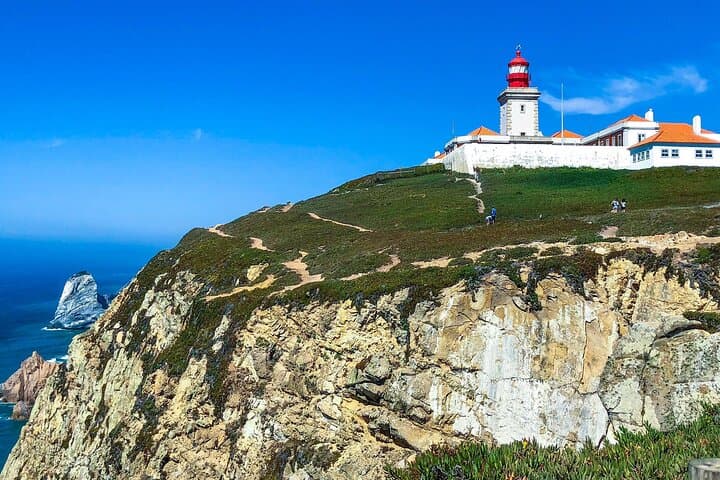
This full-day private tour threads the dramatic coastline and the UNESCO inscription that makes Sintra singular: an eccentric royal playground built on ancient schist and granite, where 19th-century Romanticism rewrote the castle rulebook by blending architecture with wild slopes. Cabo da Roca marks the geographic sting—the westernmost point of continental Europe—where wind and the Atlantic have carved cliffs into vertiginous escarpments and planted maritime shrubs that lean seaward as if listening to the horizon.
Sintra’s geology is straightforward and theatrical: resistant granite and softer schist create steep valleys where microclimates form. Those microclimates allowed exotic plants imported by nobles to thrive, so palaces sit not as isolated architecture but as gardens in conversation with global species and local stone. Cascais, once a fishing village, grew into an aristocratic refuge—hotels and a casino testify to a turn-of-the-century tourist elite, while narrow streets still hold the rhythms of a coastal town.
For travelers this is an efficient day of layered experiences: village streets for pastéis de nata and quick shopping, seaside cliffs for raw ocean energy, and interior highpoints for architectural spectacle. Expect a private car and door-to-door pickup inside Lisbon, with a flexible itinerary tailored to your pace.
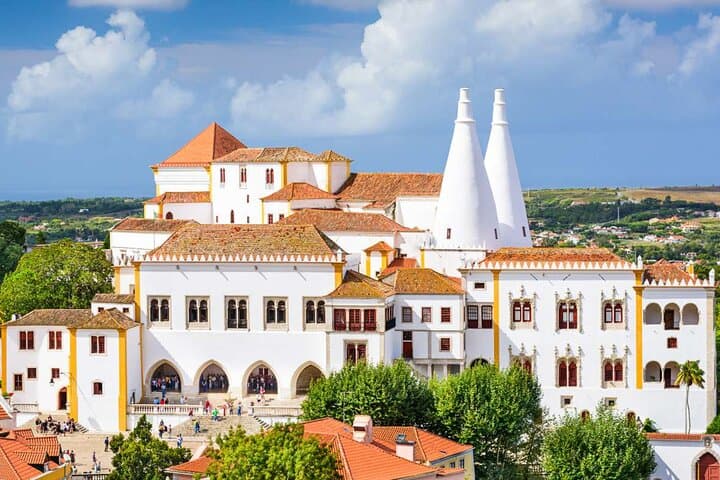
Practical guidance: wear sturdy walking shoes—the palace roofs and Sintra’s cobbles get slippery after rain—and bring a windproof layer for Cabo da Roca. Time your photos early at Pena to avoid midday crowds; the tour typically runs eight hours and includes stops at Cascais Bay, Boca do Inferno, Cabo da Roca, Sintra’s historic center, and Pena Palace (admission not included for the palace). Hydrate and carry small change for cafés; restaurants like Refúgio da Roca offer regional seafood and views, and make for a reliable midday stop. If you want quieter moments, ask your guide to linger at lesser-known terraces or the Quinta da Regaleira well—both yield memorable light and less congested frames.
This route balances raw coastline and curated heritage, where the Atlantic keeps pushing and old stones keep holding stories—one private day to read both in sequence.
easy.
8 hours.
Light fitness required—mostly short walks and standing at viewpoints; accessible to most travelers.
Pena Palace admission is not included in the tour price; guides can recommend timed tickets and best entry windows.
The tour lasts about eight hours and includes private transport with pickup and drop‑off in the Lisbon area.
Yes—it's a private tour so you can request more time at Cascais, additional photo stops, or a slower pace in Sintra’s historic center.
Yes—the tour is described as physically easy, but Sintra has uneven surfaces and steps; request accessible options if mobility is limited.
Dress in layers, wear non‑slip shoes, and bring a light waterproof or windproof jacket—conditions change quickly between coast and hills.
Meals are not included; the itinerary offers a recommended stop (Refúgio da Roca) but you’ll pay for food separately.
Sintra became a royal retreat in the 19th century when Portuguese nobles and European Romanticism transformed local palaces and gardens into a landscape of curated architecture and exotic plantings.
Sintra‑Cascais is a protected area with heavy visitor pressure; stay on marked paths, follow guide instructions, and favor local businesses that support preservation.
Mon Ami Tours operates guided outdoor trips and adventures with an emphasis on safety, stewardship, and memorable experiences.
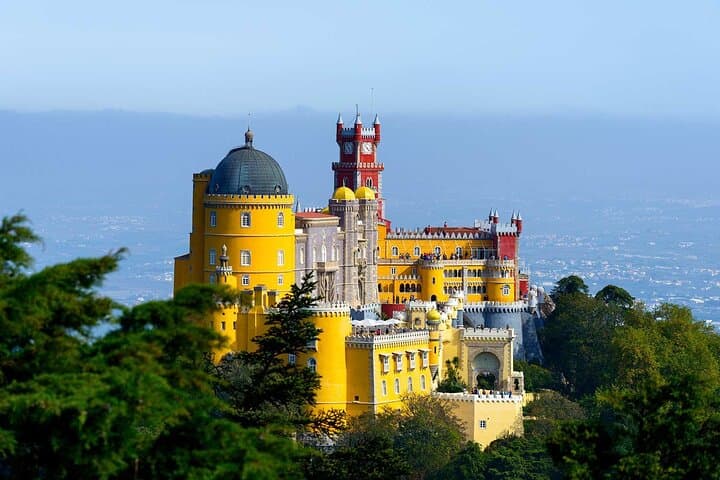
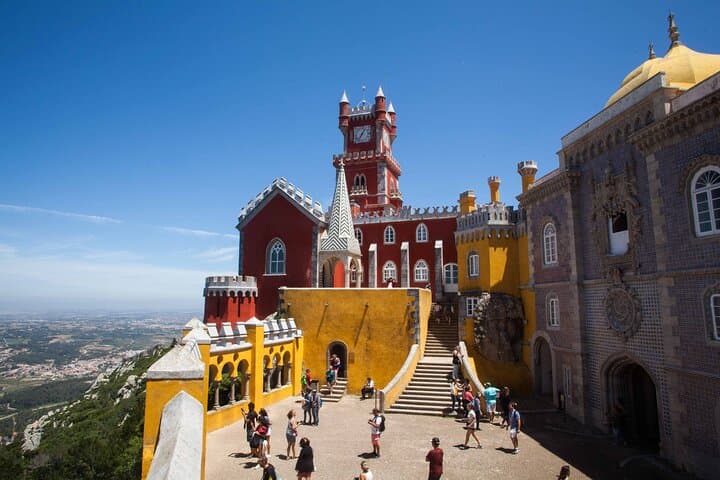
The van slips out of Lisbon before dawn and the city’s tile roofs blur into eucalyptus-scented hills. You arrive first at Cascais, where fishermen’s nets still sag between pastel houses and the bay opens like an invitation. Waves slap the basalt at Boca do Inferno, a wind-shaped mouth in the rock that seems to breathe salt and spray. Later, the road climbs; slate roofs and chestnut groves give way to a fairytale silhouette—Pena Palace—its cupolas and ochre walls perched over forested ridgelines, looking as if history itself took a vow to show off.
The van slips out of Lisbon before dawn and the city’s tile roofs blur into eucalyptus-scented hills. You arrive first at Cascais, where fishermen’s nets still sag between pastel houses and the bay opens like an invitation. Waves slap the basalt at Boca do Inferno, a wind-shaped mouth in the rock that seems to breathe salt and spray. Later, the road climbs; slate roofs and chestnut groves give way to a fairytale silhouette—Pena Palace—its cupolas and ochre walls perched over forested ridgelines, looking as if history itself took a vow to show off.
This full-day private tour threads the dramatic coastline and the UNESCO inscription that makes Sintra singular: an eccentric royal playground built on ancient schist and granite, where 19th-century Romanticism rewrote the castle rulebook by blending architecture with wild slopes. Cabo da Roca marks the geographic sting—the westernmost point of continental Europe—where wind and the Atlantic have carved cliffs into vertiginous escarpments and planted maritime shrubs that lean seaward as if listening to the horizon.
Sintra’s geology is straightforward and theatrical: resistant granite and softer schist create steep valleys where microclimates form. Those microclimates allowed exotic plants imported by nobles to thrive, so palaces sit not as isolated architecture but as gardens in conversation with global species and local stone. Cascais, once a fishing village, grew into an aristocratic refuge—hotels and a casino testify to a turn-of-the-century tourist elite, while narrow streets still hold the rhythms of a coastal town.
For travelers this is an efficient day of layered experiences: village streets for pastéis de nata and quick shopping, seaside cliffs for raw ocean energy, and interior highpoints for architectural spectacle. Expect a private car and door-to-door pickup inside Lisbon, with a flexible itinerary tailored to your pace.
Practical guidance: wear sturdy walking shoes—the palace roofs and Sintra’s cobbles get slippery after rain—and bring a windproof layer for Cabo da Roca. Time your photos early at Pena to avoid midday crowds; the tour typically runs eight hours and includes stops at Cascais Bay, Boca do Inferno, Cabo da Roca, Sintra’s historic center, and Pena Palace (admission not included for the palace). Hydrate and carry small change for cafés; restaurants like Refúgio da Roca offer regional seafood and views, and make for a reliable midday stop. If you want quieter moments, ask your guide to linger at lesser-known terraces or the Quinta da Regaleira well—both yield memorable light and less congested frames.
This route balances raw coastline and curated heritage, where the Atlantic keeps pushing and old stones keep holding stories—one private day to read both in sequence.