THE ADVENTURE COLLECTIVE® · Independent discovery and booking for outdoor travel

Explore Sintra’s Serra on a focused two-hour guided walk that links the village, the National Palace, Quinta da Regaleira and rocky viewpoints. Expect shaded trails, short climbs and interpretive stops on history and vegetation.
Explore Sintra’s Serra on a focused two-hour guided walk that links the village, the National Palace, Quinta da Regaleira and rocky viewpoints. Expect shaded trails, short climbs and interpretive stops on history and vegetation.
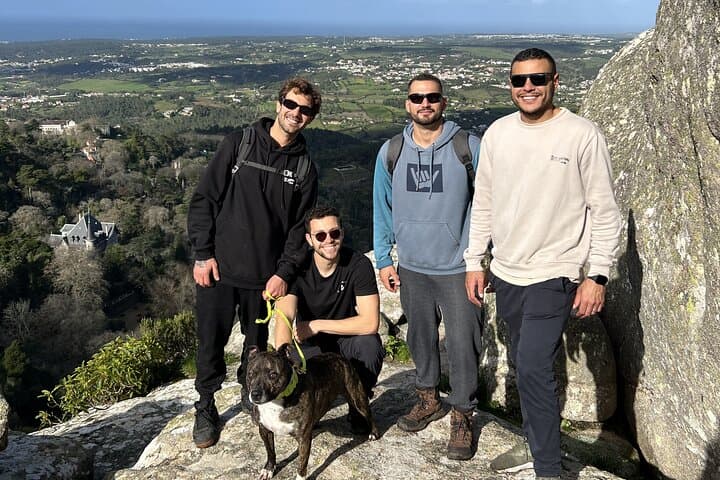
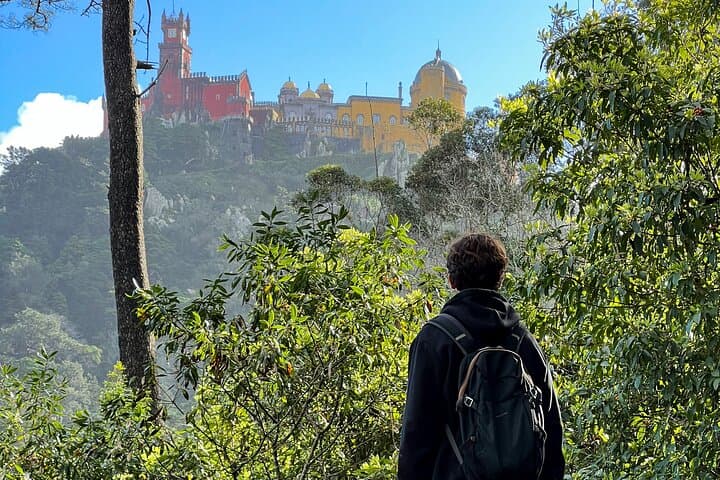
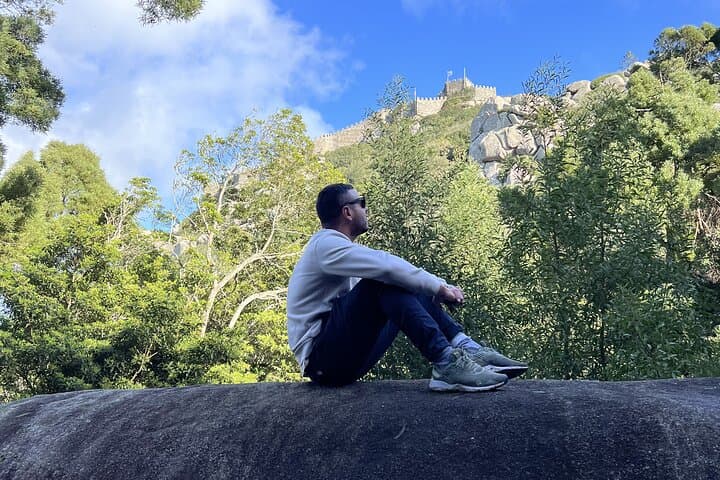
You step off the cobbled Rua das Padarias and the village noise thins as eucalyptus and holm oak take over. The guide threads stories through the group while the trail climbs into the Serra de Sintra, opening onto sudden viewpoints where the Atlantic peeks through mist and the roofs of palaces crowd the valley below.
Verified experiences and guided adventures in the surrounding area.
Operated by Outlanders Tours · Sintra, Lisbon District
You step off the cobbled Rua das Padarias and the village noise thins as eucalyptus and holm oak take over. The guide threads stories through the group while the trail climbs into the Serra de Sintra, opening onto sudden viewpoints where the Atlantic peeks through mist and the roofs of palaces crowd the valley below.
Sintra’s hills have been a retreat for centuries—royal residences, Romantic-era follies and estates like the National Palace and Quinta da Regaleira reflect layers of Iberian and European history. The area’s unique microclimate feeds lush laurel and fern understoreys and a web of springs that carve small waterfalls along the paths. Geologically the Serra is older, weathered granite and schist that creates dramatic outcrops like Penedo da Amizade—popular with climbers—and scattered rocky summits.
Culture here mixes pilgrimage, aristocratic leisure and local forestry traditions; guides will point out Neo-Manueline ornamentation, Luigi Magnini’s Vila Sassetti, and how 1995 UNESCO recognition protects both monuments and landscape.
Practically: this two-hour guided walk covers roughly 3–5 km with intermittent steep sections and 150–300 m cumulative ascent on uneven, often rooty trails. Expect shaded stretches, short rocky scrambles to viewpoints, and regular stops for history and botany. Bring sturdy footwear, a refillable water bottle, light rain layer, and arrive earlier in the morning to avoid peak crowds. The route returns through village lanes, offering a compact introduction to Sintra’s natural and cultural high points—ideal for those with moderate fitness wanting a concentrated, interpretive taste of the Serra.
moderate.
2 hours.
Moderate—able to walk 3–5 km with short steep sections and brief scrambling over rocks
The tour is rated moderate: expect uneven terrain, short steep stretches and roughly 3–5 km covered over two hours—good for those with basic fitness.
Yes—the itinerary includes a stop near Quinta da Regaleira and views of its gardens and Neo-Manueline architecture, with interpretive commentary.
There are limited public restrooms in the village start/finish; bring supplies as facilities on the trail are minimal.
Children with moderate mobility can join, but the tour is not recommended for travelers with significant spinal, cardiovascular issues or limited mobility due to uneven paths.
Sintra’s landscape combines medieval, Moorish and 19th-century Romantic-era architecture; it was designated a UNESCO Cultural Landscape in 1995.
UNESCO status and local regulations aim to protect historic estates and fragile vegetation; stick to marked paths to limit erosion and trampling.
Outlanders Tours operates guided outdoor trips and adventures with an emphasis on safety, stewardship, and memorable experiences.

You step off the cobbled Rua das Padarias and the village noise thins as eucalyptus and holm oak take over. The guide threads stories through the group while the trail climbs into the Serra de Sintra, opening onto sudden viewpoints where the Atlantic peeks through mist and the roofs of palaces crowd the valley below.
You step off the cobbled Rua das Padarias and the village noise thins as eucalyptus and holm oak take over. The guide threads stories through the group while the trail climbs into the Serra de Sintra, opening onto sudden viewpoints where the Atlantic peeks through mist and the roofs of palaces crowd the valley below.
Sintra’s hills have been a retreat for centuries—royal residences, Romantic-era follies and estates like the National Palace and Quinta da Regaleira reflect layers of Iberian and European history. The area’s unique microclimate feeds lush laurel and fern understoreys and a web of springs that carve small waterfalls along the paths. Geologically the Serra is older, weathered granite and schist that creates dramatic outcrops like Penedo da Amizade—popular with climbers—and scattered rocky summits.
Culture here mixes pilgrimage, aristocratic leisure and local forestry traditions; guides will point out Neo-Manueline ornamentation, Luigi Magnini’s Vila Sassetti, and how 1995 UNESCO recognition protects both monuments and landscape.
Practically: this two-hour guided walk covers roughly 3–5 km with intermittent steep sections and 150–300 m cumulative ascent on uneven, often rooty trails. Expect shaded stretches, short rocky scrambles to viewpoints, and regular stops for history and botany. Bring sturdy footwear, a refillable water bottle, light rain layer, and arrive earlier in the morning to avoid peak crowds. The route returns through village lanes, offering a compact introduction to Sintra’s natural and cultural high points—ideal for those with moderate fitness wanting a concentrated, interpretive taste of the Serra.