THE ADVENTURE COLLECTIVE® · Independent discovery and booking for outdoor travel

Compact, community-focused and wheelchair accessible, the Sinnai Civic Museum condenses Sardinia’s archaeological depth and contemporary art into an approachable visit. Learn about local prehistory, view Franco d’Aspro’s collection, and use the museum as a launch point for exploring Sinnai’s surrounding landscape.
Compact, community-focused and wheelchair accessible, the Sinnai Civic Museum condenses Sardinia’s archaeological depth and contemporary art into an approachable visit. Learn about local prehistory, view Franco d’Aspro’s collection, and use the museum as a launch point for exploring Sinnai’s surrounding landscape.
A cool morning in Sinnai begins at a low, stone building where the town’s past waits behind glass and careful labels. Visitors enter a compact museum whose rooms feel like chapters: a strip of prehistoric pottery and obsidian tools, a gallery of Franco d’Aspro’s bold canvases, and a rotating space for contemporary projects that keep local culture in conversation with the present.
Verified experiences and guided adventures in the surrounding area.
Operated by Sardinia To Do - Go abroad, feel like home · Sinnai, Sardinia
A cool morning in Sinnai begins at a low, stone building where the town’s past waits behind glass and careful labels. Visitors enter a compact museum whose rooms feel like chapters: a strip of prehistoric pottery and obsidian tools, a gallery of Franco d’Aspro’s bold canvases, and a rotating space for contemporary projects that keep local culture in conversation with the present.
The museum stitches together Sardinia’s long human story — from Nuragic settlements across limestone ridges to modern creative life — and makes archaeology legible for a neighborhood audience. Geologically, the displays recall the island’s volcanic and sedimentary past: obsidian edges and ceramic glazes that testify to ancient trade and craft. Culturally, the collection emphasizes community: workshops, multilingual labels, and a small outdoor reading area turn the museum into an active public room rather than a mere cabinet of artifacts.
Expect clear timelines, approachable explanations, and occasional temporary shows that spotlight regional artists. The gallery’s compact scale means a focused visit of an hour or two will cover the essentials; lingering in the bookshop or the shaded outdoor space extends the experience.
Practical guidance: the museum is wheelchair accessible and served by nearby public transit — plan for variable tour lengths (1–3 hours). Photography rules vary by room, so check at the desk. Bring a light layer for spring and autumn breezes in the courtyard, and allow time to ask staff about local sites like nearby archaeological digs or recommended walking routes into the surrounding hills.
easy.
1–3 hours.
Suitable for all fitness levels; mostly indoor, short walking distances.
Plan 1–3 hours depending on whether you attend a temporary exhibition or workshop; guided visits may be longer.
Yes — ramps, accessible surfaces and wheelchair-friendly transportation options are available.
Professional guides are listed in the inclusions; inquire in advance to confirm English-language availability.
Yes — the museum bookshop stocks archaeology and art titles for adults and children, often in multiple languages.
The museum pairs an archaeological collection that illustrates Sardinia’s prehistoric occupation with a notable collection by local artist Franco d’Aspro, tying ancient craft to modern expression.
The museum emphasizes accessibility and local engagement; visitors are encouraged to use public transport and follow exhibit rules to protect fragile artifacts.
Sardinia To Do - Go abroad, feel like home operates guided outdoor trips and adventures with an emphasis on safety, stewardship, and memorable experiences.
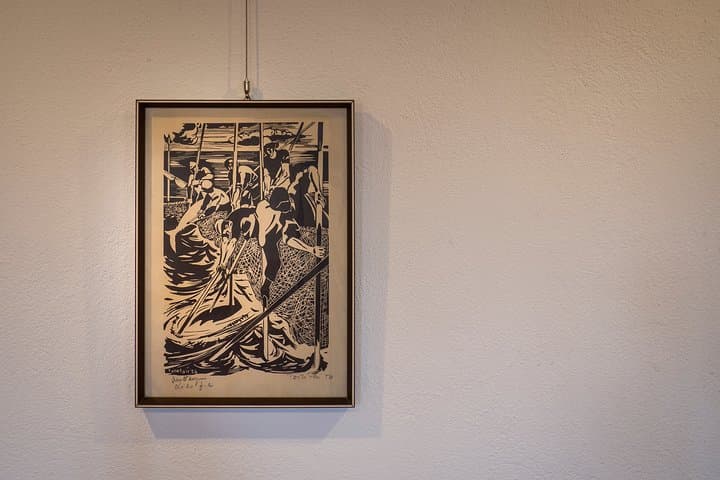
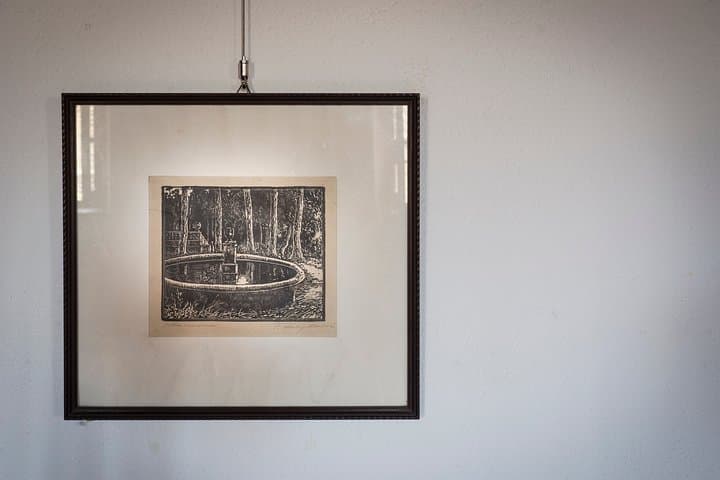
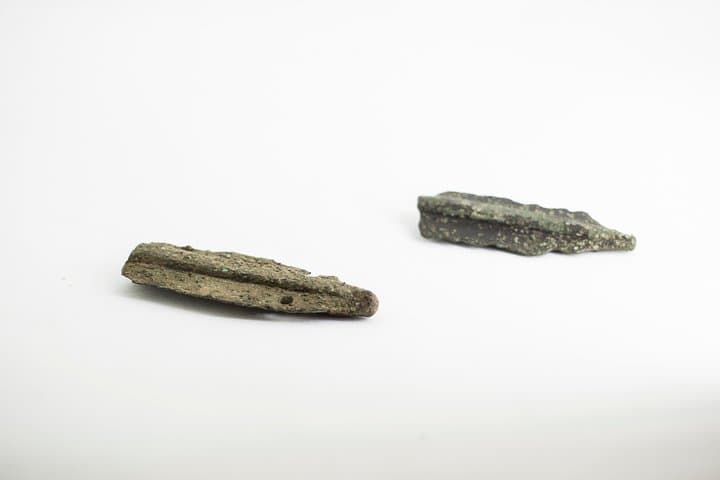
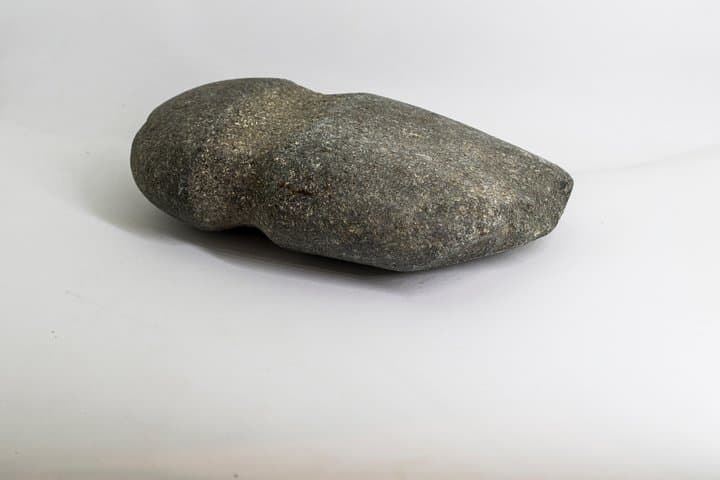
A cool morning in Sinnai begins at a low, stone building where the town’s past waits behind glass and careful labels. Visitors enter a compact museum whose rooms feel like chapters: a strip of prehistoric pottery and obsidian tools, a gallery of Franco d’Aspro’s bold canvases, and a rotating space for contemporary projects that keep local culture in conversation with the present.
A cool morning in Sinnai begins at a low, stone building where the town’s past waits behind glass and careful labels. Visitors enter a compact museum whose rooms feel like chapters: a strip of prehistoric pottery and obsidian tools, a gallery of Franco d’Aspro’s bold canvases, and a rotating space for contemporary projects that keep local culture in conversation with the present.
The museum stitches together Sardinia’s long human story — from Nuragic settlements across limestone ridges to modern creative life — and makes archaeology legible for a neighborhood audience. Geologically, the displays recall the island’s volcanic and sedimentary past: obsidian edges and ceramic glazes that testify to ancient trade and craft. Culturally, the collection emphasizes community: workshops, multilingual labels, and a small outdoor reading area turn the museum into an active public room rather than a mere cabinet of artifacts.
Expect clear timelines, approachable explanations, and occasional temporary shows that spotlight regional artists. The gallery’s compact scale means a focused visit of an hour or two will cover the essentials; lingering in the bookshop or the shaded outdoor space extends the experience.
Practical guidance: the museum is wheelchair accessible and served by nearby public transit — plan for variable tour lengths (1–3 hours). Photography rules vary by room, so check at the desk. Bring a light layer for spring and autumn breezes in the courtyard, and allow time to ask staff about local sites like nearby archaeological digs or recommended walking routes into the surrounding hills.