THE ADVENTURE COLLECTIVE® · Independent discovery and booking for outdoor travel

A six‑hour private tour from Pune delivers fortress history, cliff-top panoramas and short, manageable hikes across basalt ramparts. This guide explains what you’ll see, how to prepare, and practical tips to make the most of a half‑day at Sinhgad.
A six‑hour private tour from Pune delivers fortress history, cliff-top panoramas and short, manageable hikes across basalt ramparts. This guide explains what you’ll see, how to prepare, and practical tips to make the most of a half‑day at Sinhgad.
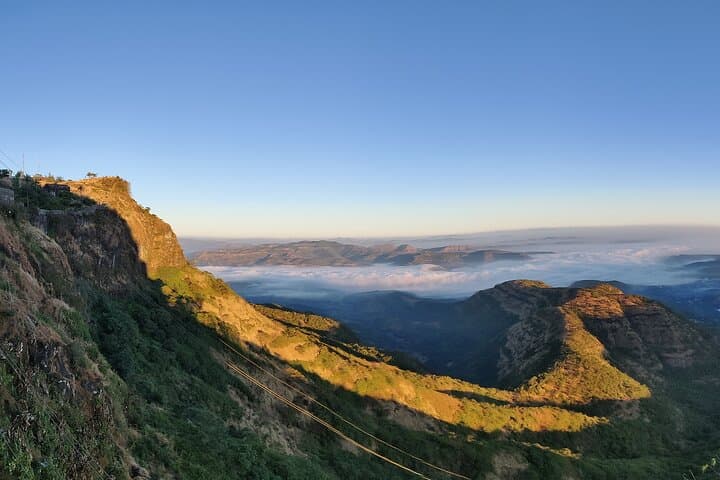
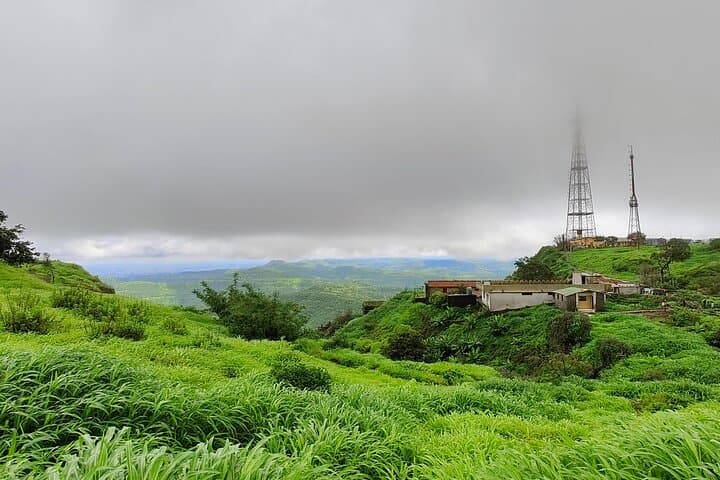
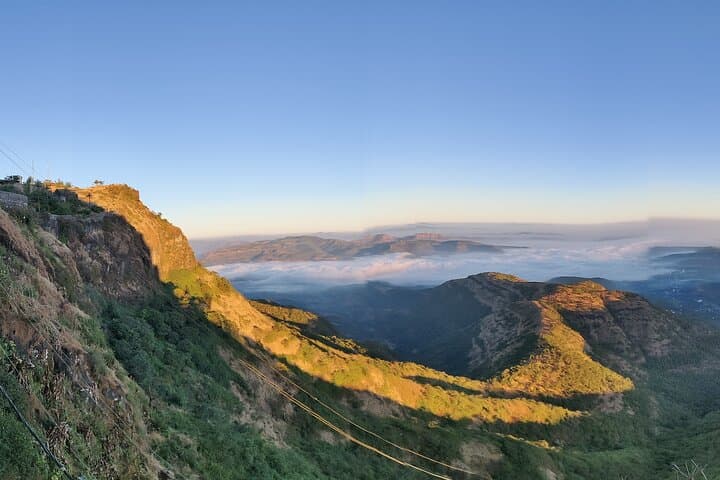
You arrive along the glassy curve of Khadakwasla reservoir, the road lifting you through Sinhgad Ghat until the fort’s basalt ramparts cut the skyline. The wind here has a way of testing your pace—pushing at your jacket, urging you toward the cliff-edge viewpoints where the western Deccan stretches in layered greens and dry brown.
Verified experiences and guided adventures in the surrounding area.
Operated by Foliage Outdoors · Pune, Maharashtra
You arrive along the glassy curve of Khadakwasla reservoir, the road lifting you through Sinhgad Ghat until the fort’s basalt ramparts cut the skyline. The wind here has a way of testing your pace—pushing at your jacket, urging you toward the cliff-edge viewpoints where the western Deccan stretches in layered greens and dry brown.
Sinhgad’s ramparts are Maratha-era stonework and older basalt cut from the Deccan Traps. The fort is best known for the 1670 Battle of Sinhagad and the sacrifice of Tanaji Malusare; memorials and gunrooms anchor those stories in place. Local culture still gathers at the parking lot stalls: chai, bread pakora and the small, practical rituals of fort visitors. Geologically, the terrain is hard, fissured basalt that forms steep escarpments and narrow trails—the same rock that makes these viewpoints so dramatic.
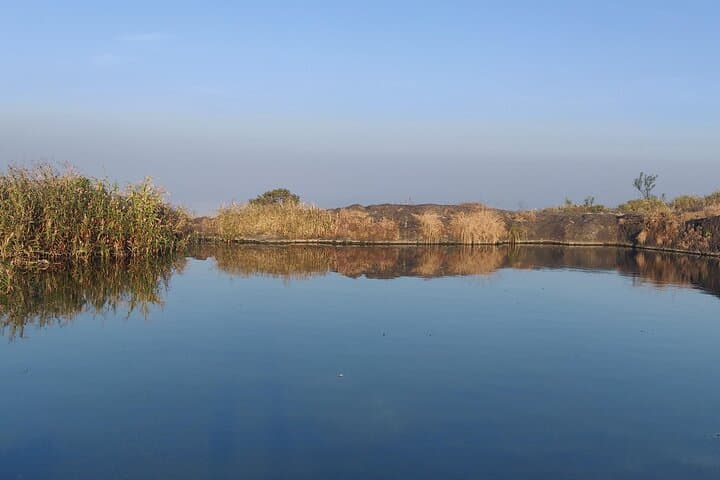
Expect 2–3 hours of slow-paced walking across roughly 3 km of undulating, uneven paths with loose stone and short stair sections. Key stops are the Tanaji Kada (cliff) viewpoint, the ancient ammunition chamber, and the Dev Take water tank. Photography windows are best early morning or late afternoon when the light gives depth to distant forts like Rajgad and Torna.
Practical guidance: wear grippy shoes, bring at least 1 L of water (the tour provides one bottle), and carry sun protection; rain slickers help during monsoon. Follow your guide on narrow ledges and give wildlife space—peafowl and raptors are common. The 6-hour private tour includes AC transfer to the top parking; plan for a moderate fitness level and a steady pace to enjoy history and viewlines without rushing.
moderate.
6 hours (about 2–3 hours on foot).
Suitable for travelers with moderate fitness; expect short steep sections and uneven footing
The tour is six hours total with about 2–3 hours of on-foot exploration covering roughly 3 km on undulating paths.
Yes — the tour itinerary notes admission is included for the main sites visited during the guided exploration.
Basic public toilets are available near the parking area; facilities on the fort are limited and may be rustic.
Complimentary pickup and drop-off are offered for hotels within about 3 km of Fergusson College / Deccan Gymkhana in Pune; other pickups can be arranged per the operator’s policy.
Sinhgad was a strategically important Maratha fort—the 1670 Battle of Sinhagad and Tanaji Malusare’s role are central to its modern identity.
Stick to marked paths to limit erosion, pack out litter, and avoid feeding wildlife to preserve natural behavior and reduce human–animal conflict.
Foliage Outdoors operates guided outdoor trips and adventures with an emphasis on safety, stewardship, and memorable experiences.
You arrive along the glassy curve of Khadakwasla reservoir, the road lifting you through Sinhgad Ghat until the fort’s basalt ramparts cut the skyline. The wind here has a way of testing your pace—pushing at your jacket, urging you toward the cliff-edge viewpoints where the western Deccan stretches in layered greens and dry brown.
You arrive along the glassy curve of Khadakwasla reservoir, the road lifting you through Sinhgad Ghat until the fort’s basalt ramparts cut the skyline. The wind here has a way of testing your pace—pushing at your jacket, urging you toward the cliff-edge viewpoints where the western Deccan stretches in layered greens and dry brown.
Sinhgad’s ramparts are Maratha-era stonework and older basalt cut from the Deccan Traps. The fort is best known for the 1670 Battle of Sinhagad and the sacrifice of Tanaji Malusare; memorials and gunrooms anchor those stories in place. Local culture still gathers at the parking lot stalls: chai, bread pakora and the small, practical rituals of fort visitors. Geologically, the terrain is hard, fissured basalt that forms steep escarpments and narrow trails—the same rock that makes these viewpoints so dramatic.
Expect 2–3 hours of slow-paced walking across roughly 3 km of undulating, uneven paths with loose stone and short stair sections. Key stops are the Tanaji Kada (cliff) viewpoint, the ancient ammunition chamber, and the Dev Take water tank. Photography windows are best early morning or late afternoon when the light gives depth to distant forts like Rajgad and Torna.
Practical guidance: wear grippy shoes, bring at least 1 L of water (the tour provides one bottle), and carry sun protection; rain slickers help during monsoon. Follow your guide on narrow ledges and give wildlife space—peafowl and raptors are common. The 6-hour private tour includes AC transfer to the top parking; plan for a moderate fitness level and a steady pace to enjoy history and viewlines without rushing.