THE ADVENTURE COLLECTIVE® · Independent discovery and booking for outdoor travel

A compact two-day loop from Galle that pairs a humid, bird-rich walk in the Sinharaja Rain Forest with an elephant-focused safari in Udawalawe. Expect rainforest tracks, a waterfall lunch, then open plains and close elephant sightings.
A compact two-day loop from Galle that pairs a humid, bird-rich walk in the Sinharaja Rain Forest with an elephant-focused safari in Udawalawe. Expect rainforest tracks, a waterfall lunch, then open plains and close elephant sightings.
Dawn on the southern coast feels humid and immediate: palms drip, the driver eases out of Galle and the road narrows toward the high canopy. Within an hour the city’s salt air gives way to forest-scent and the Sinharaja understory presses close, leaves brushing like curious hands.
Verified experiences and guided adventures in the surrounding area.
Operated by OTN WORLD PVT LTD · Galle, Southern Province
Dawn on the southern coast feels humid and immediate: palms drip, the driver eases out of Galle and the road narrows toward the high canopy. Within an hour the city’s salt air gives way to forest-scent and the Sinharaja understory presses close, leaves brushing like curious hands.
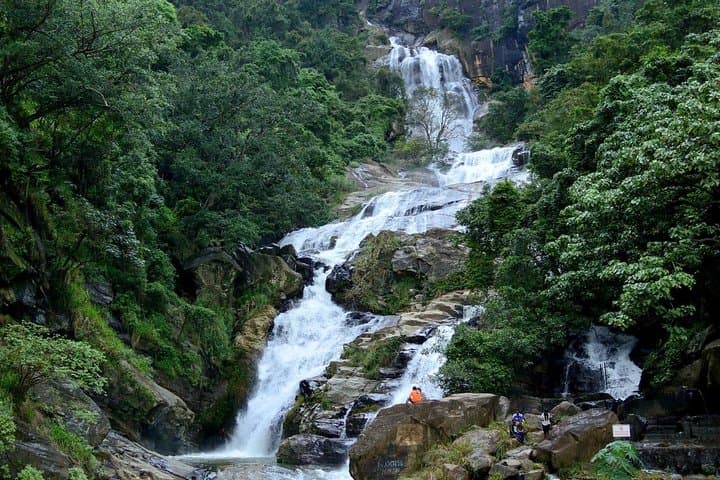
Sinharaja is one of Sri Lanka’s last lowland rainforests and a UNESCO World Heritage site, renowned for endemic birds, reptiles and plants. The walk described here—typically two hours along well-trodden trails—threads through dipterocarp trees and past small, mossy streams to a hidden waterfall where villagers sometimes sell banana-leaf lunches.
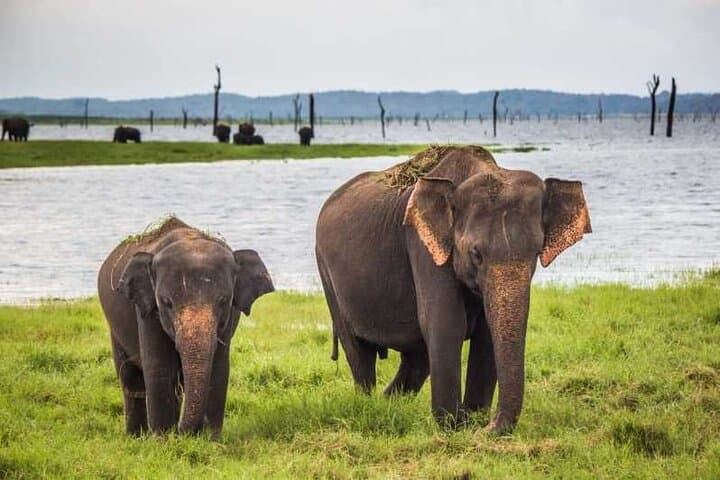
On day two the landscape opens into the drier plains surrounding Udawalawe National Park, declared in 1972 primarily to protect elephant corridors. Udawalawe’s scrub and tank system concentrate wildlife; elephant families often feed at the water’s edge, and crocodiles and waterbirds are common sights.
Expect early starts, humid hikes with slippery roots in Sinharaja, and routine 4-hour safari windows in Udawalawe. Guides and drivers handle logistics; entrance fees and guided safari vehicles are usually extra. Wear grippy waterproof footwear, bring rain protection and binoculars, and time visits for early morning or late afternoon wildlife activity. Hydrate and move deliberately through the rainforest—streams can be deceptively fast after rain. With basic preparation this two-day loop pairs bird-rich, biological diversity with the open, elephant-filled plains of the low country—two very different faces of southern Sri Lanka’s wild heart.
moderate.
2 days.
Light to moderate fitness; able to walk 1–3 hours on uneven, sometimes muddy terrain and tolerate several hours in a vehicle.
No—entrance and vehicle/safari fees are typically not included and are paid locally; confirm with your operator before travel.
Infants may join but must sit on laps; the itinerary is physically easy but includes long vehicle transfers—consider the child’s tolerance for rides.
A local guide is highly recommended for orientation, spotting wildlife, and minimizing ecological impact; some operators include guide time, others add it as an extra.
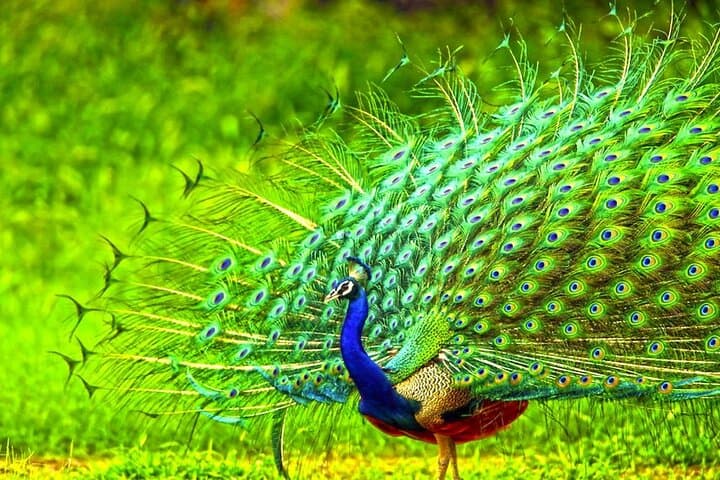
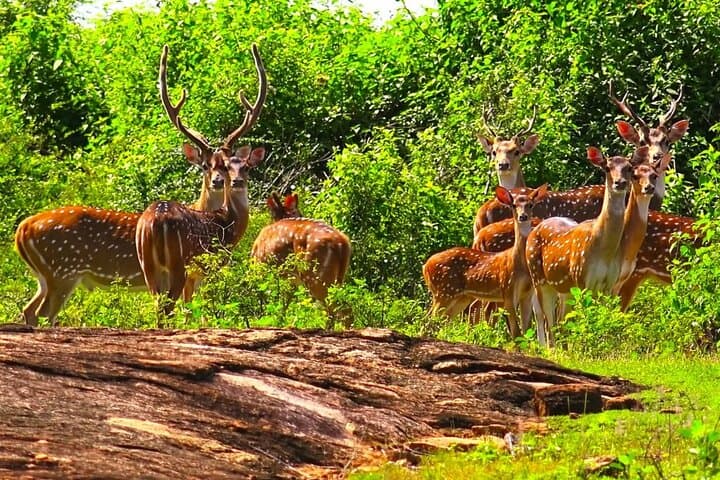
In Sinharaja expect endemic birds and butterflies; in Udawalawe, Asian elephants, waterbirds and occasionally crocodiles and deer.
Sinharaja gained UNESCO World Heritage status for its unique lowland rainforest; Udawalawe was designated a national park in 1972 to protect elephant corridors and watershed areas.
Stick to established trails, avoid single-use plastics, and use licensed guides—these practices reduce disturbance to sensitive habitats and support local conservation efforts.
OTN WORLD PVT LTD operates guided outdoor trips and adventures with an emphasis on safety, stewardship, and memorable experiences.
Dawn on the southern coast feels humid and immediate: palms drip, the driver eases out of Galle and the road narrows toward the high canopy. Within an hour the city’s salt air gives way to forest-scent and the Sinharaja understory presses close, leaves brushing like curious hands.
Dawn on the southern coast feels humid and immediate: palms drip, the driver eases out of Galle and the road narrows toward the high canopy. Within an hour the city’s salt air gives way to forest-scent and the Sinharaja understory presses close, leaves brushing like curious hands.
Sinharaja is one of Sri Lanka’s last lowland rainforests and a UNESCO World Heritage site, renowned for endemic birds, reptiles and plants. The walk described here—typically two hours along well-trodden trails—threads through dipterocarp trees and past small, mossy streams to a hidden waterfall where villagers sometimes sell banana-leaf lunches.
On day two the landscape opens into the drier plains surrounding Udawalawe National Park, declared in 1972 primarily to protect elephant corridors. Udawalawe’s scrub and tank system concentrate wildlife; elephant families often feed at the water’s edge, and crocodiles and waterbirds are common sights.
Expect early starts, humid hikes with slippery roots in Sinharaja, and routine 4-hour safari windows in Udawalawe. Guides and drivers handle logistics; entrance fees and guided safari vehicles are usually extra. Wear grippy waterproof footwear, bring rain protection and binoculars, and time visits for early morning or late afternoon wildlife activity. Hydrate and move deliberately through the rainforest—streams can be deceptively fast after rain. With basic preparation this two-day loop pairs bird-rich, biological diversity with the open, elephant-filled plains of the low country—two very different faces of southern Sri Lanka’s wild heart.