THE ADVENTURE COLLECTIVE® · Independent discovery and booking for outdoor travel

Spend a day with an experienced guide inside Sinharaja, Sri Lanka’s premier lowland rainforest. Enjoy a 3–3.5 hour trek through damp canopy trails, wildlife viewing and an authentic rice-and-curry lunch.
Spend a day with an experienced guide inside Sinharaja, Sri Lanka’s premier lowland rainforest. Enjoy a 3–3.5 hour trek through damp canopy trails, wildlife viewing and an authentic rice-and-curry lunch.
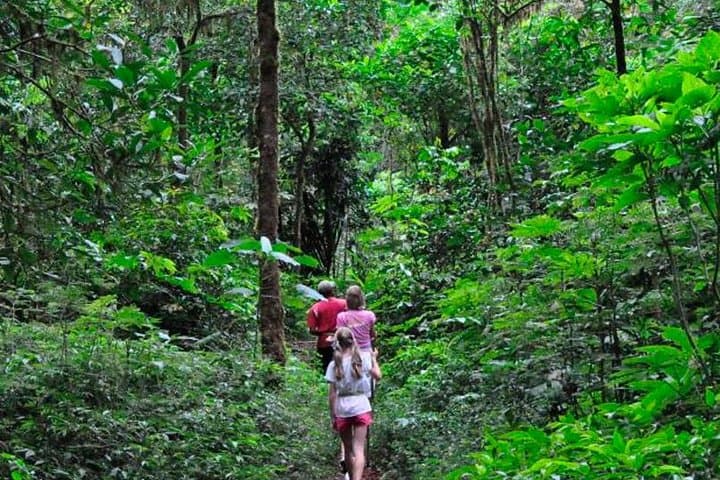
You step off the minivan into a hush that the coast never gives you: a heavy green ceiling, damp loam underfoot and the distant rumble of a waterfall daring you to follow. The guide checks leech socks and maps a route through narrow trails where shafts of light cut the canopy like stage lights, and calls to unseen birds puncture the air.
Verified experiences and guided adventures in the surrounding area.
Operated by Bentota Travel Mart · Deniyaya, Southern Province
You step off the minivan into a hush that the coast never gives you: a heavy green ceiling, damp loam underfoot and the distant rumble of a waterfall daring you to follow. The guide checks leech socks and maps a route through narrow trails where shafts of light cut the canopy like stage lights, and calls to unseen birds puncture the air.
Sinharaja is Sri Lanka’s best-known lowland evergreen rainforest and a UNESCO World Heritage Site recognized in 1988 for its role as a genetic reservoir. Geologically the reserve sits on ancient Precambrian complexes that have weathered into steep ridges and narrow valleys, producing soils rich in organic matter and a layered canopy structure that supports endemic birds, amphibians and orchids.
Culturally, the forest has long been woven into local livelihoods—timber extraction curtailed decades ago—so today small communities around the reserve offer home-cooked rice-and-curry meals and practical knowledge of trails and seasonal behavior of wildlife.
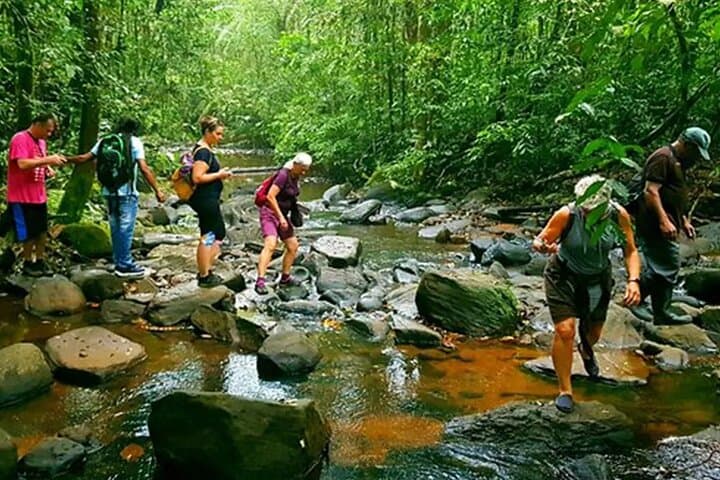
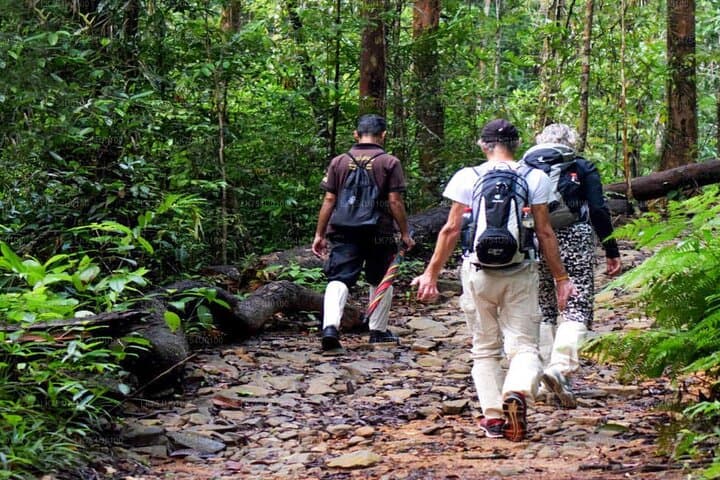
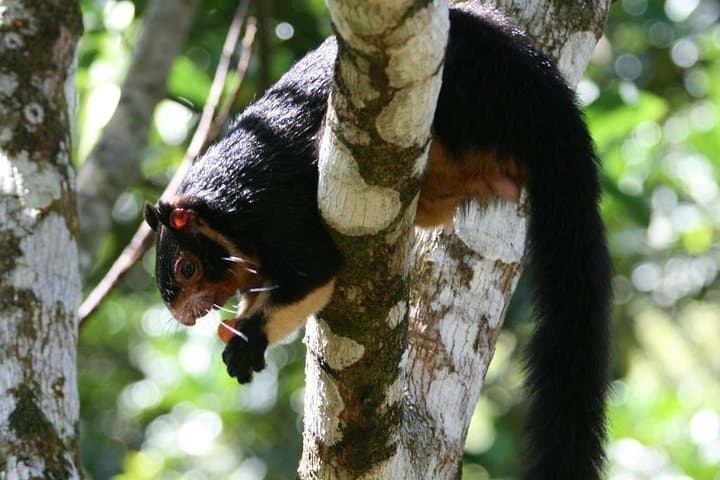
On a private day trek expect 3–3.5 hours of walking on muddy, root-strewn trails, pauses for birding and a possible swim under a cascade if rains cooperate. Guides prioritize slow, quiet sections to increase sightings of purple-faced langurs, endemic blue magpies, chameleons and leaf frogs.
Practical guidance: wear grippy, waterproof shoes and long trousers; bring a lightweight rain jacket and insect repellent; carry water and a small daypack. Plan pickups from Bentota or Galle early—forest trail windows are best mid-morning when birds are active and leeches less aggressive. Respect signed paths, and save flash photography for large clearings to reduce disturbance.
moderate.
8–10 hours (including transport).
Able to walk 3–4 hours over uneven, often wet terrain; comfortable with short, steep sections
The guided trekking session is about 3–3.5 hours; the full door-to-door excursion runs 8–10 hours depending on pickup point and road conditions.
Leeches are present during wetter months; the tour provides leech socks but long trousers and gaiters add protection.
Sightings can’t be guaranteed, but experienced guides use local knowledge and quiet pacing to maximize chances of seeing birds, primates and reptiles.
The trail is rated moderate but accessible; children and less-mobile guests should consult the operator—shorter, gentler routes can sometimes be arranged.
Sinharaja was designated a World Heritage Site in 1988 after conservation efforts curtailed large-scale logging; it remains a key refuge for endemic species.
Stick to marked trails, avoid feeding wildlife and use biodegradable sunscreen/repellent to limit chemical runoff; local guides help minimize impact and support community income.
Bentota Travel Mart operates guided outdoor trips and adventures with an emphasis on safety, stewardship, and memorable experiences.
You step off the minivan into a hush that the coast never gives you: a heavy green ceiling, damp loam underfoot and the distant rumble of a waterfall daring you to follow. The guide checks leech socks and maps a route through narrow trails where shafts of light cut the canopy like stage lights, and calls to unseen birds puncture the air.
You step off the minivan into a hush that the coast never gives you: a heavy green ceiling, damp loam underfoot and the distant rumble of a waterfall daring you to follow. The guide checks leech socks and maps a route through narrow trails where shafts of light cut the canopy like stage lights, and calls to unseen birds puncture the air.
Sinharaja is Sri Lanka’s best-known lowland evergreen rainforest and a UNESCO World Heritage Site recognized in 1988 for its role as a genetic reservoir. Geologically the reserve sits on ancient Precambrian complexes that have weathered into steep ridges and narrow valleys, producing soils rich in organic matter and a layered canopy structure that supports endemic birds, amphibians and orchids.
Culturally, the forest has long been woven into local livelihoods—timber extraction curtailed decades ago—so today small communities around the reserve offer home-cooked rice-and-curry meals and practical knowledge of trails and seasonal behavior of wildlife.
On a private day trek expect 3–3.5 hours of walking on muddy, root-strewn trails, pauses for birding and a possible swim under a cascade if rains cooperate. Guides prioritize slow, quiet sections to increase sightings of purple-faced langurs, endemic blue magpies, chameleons and leaf frogs.
Practical guidance: wear grippy, waterproof shoes and long trousers; bring a lightweight rain jacket and insect repellent; carry water and a small daypack. Plan pickups from Bentota or Galle early—forest trail windows are best mid-morning when birds are active and leeches less aggressive. Respect signed paths, and save flash photography for large clearings to reduce disturbance.