THE ADVENTURE COLLECTIVE® · Independent discovery and booking for outdoor travel

A compact half‑day exploration of Sinharaja’s primary rainforest that packs endemic birds, primates and giant dipterocarps into a single outing. Practical for travelers based in Galle, this guided tour emphasizes wildlife viewing, safety with leeches, and low‑impact travel.
A compact half‑day exploration of Sinharaja’s primary rainforest that packs endemic birds, primates and giant dipterocarps into a single outing. Practical for travelers based in Galle, this guided tour emphasizes wildlife viewing, safety with leeches, and low‑impact travel.
The trail opens under a tall, dripping canopy—light strips through buttressed roots while the air tastes of wet earth and green oil. You step carefully: roots twist like sleeping serpents, the understory hums with insect notes, and distant birdcalls thread the silence. In four to seven hours this half‑day discovery tour moves deliberately through primary lowland rainforest, taking you from the roadside into old‑growth stands dominated by dipterocarps and ironwood.
Verified experiences and guided adventures in the surrounding area.
Operated by Explore Sinharaja Rain Forest Tour · Deniyaya, Southern Province
The trail opens under a tall, dripping canopy—light strips through buttressed roots while the air tastes of wet earth and green oil. You step carefully: roots twist like sleeping serpents, the understory hums with insect notes, and distant birdcalls thread the silence. In four to seven hours this half‑day discovery tour moves deliberately through primary lowland rainforest, taking you from the roadside into old‑growth stands dominated by dipterocarps and ironwood.
Sinharaja is a UNESCO World Heritage site and one of Sri Lanka’s last large tracts of undisturbed wet-zone rainforest, long protected for its exceptional endemism. Geologically the reserve sits on Precambrian bedrock with thick, lateritic soils that feed a dense, layered canopy; culturally, nearby villages like Lankagama have long relied on the forest for non-timber products and guided knowledge passed between generations.
Expect close-up wildlife moments more than long, open vistas: look for the flash of a Sri Lanka blue magpie, the cautious purple-faced langur, and cryptic amphibians on the trail edge. Tours typically include 4WD transfers, lunch, binoculars and leech socks—so the logistics are simple and the focus stays on the forest.
Practical guidance: wear grippy shoes, long socks or leech gaiters, and a breathable rain jacket; bring extra water and a camera with a tele lens if birding. Start early for cooler air and higher bird activity, follow your guide’s route, and stick to paths—Sinharaja’s value depends on responsible visitation.
moderate.
4–7 hours.
Moderate fitness: steady walking on uneven, sometimes wet trails; not recommended for those with serious heart or spinal issues.
Most operators provide 4WD pick‑up and drop‑off from Galle, Matara or nearby towns; roads into the reserve are rough, so guided transport is included.
Yes—early starts improve chances for birds and primates; sightings vary seasonally and by group, but guides know local hotspots for endemic species.
Leeches are common in wet months; tour operators supply leech socks and guides remove leeches safely if needed—avoid pulling with bare hands.
Children with reasonable mobility can participate, but the tour involves uneven ground and short steep sections; it’s not recommended for people with serious heart or spinal conditions.
Sinharaja was declared a protected area in the 1970s and a UNESCO World Heritage site in 1988; it represents one of the best surviving examples of Sri Lanka’s original rainforest.
Visitor numbers and strict trail use help protect sensitive understorey species; bring reusable bottles and follow guide instructions to minimize impact.
Explore Sinharaja Rain Forest Tour operates guided outdoor trips and adventures with an emphasis on safety, stewardship, and memorable experiences.
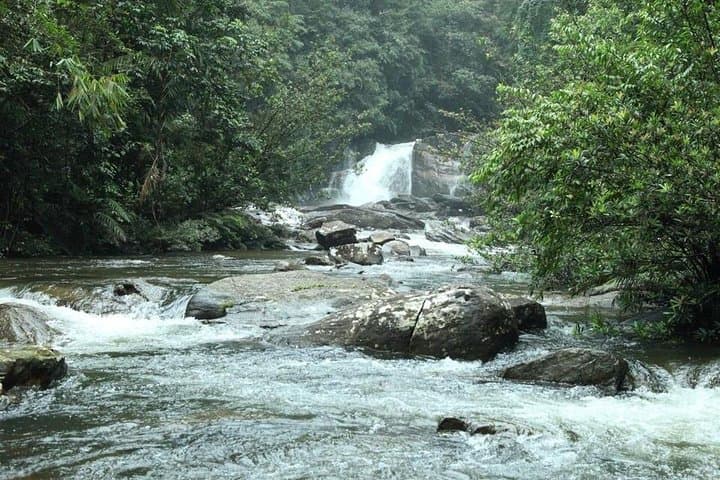
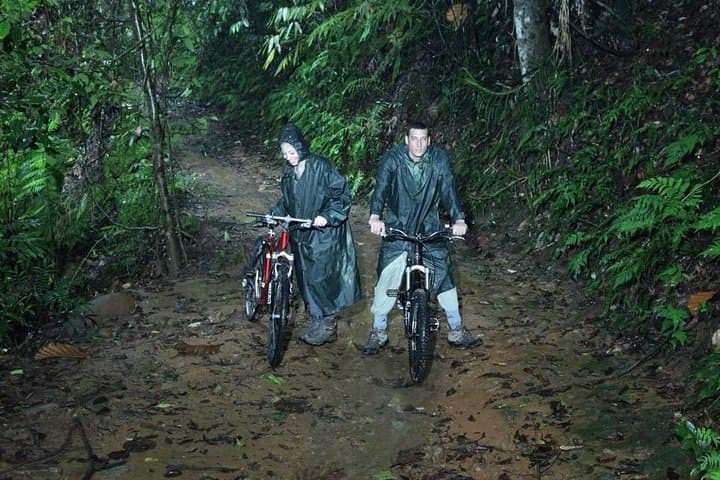
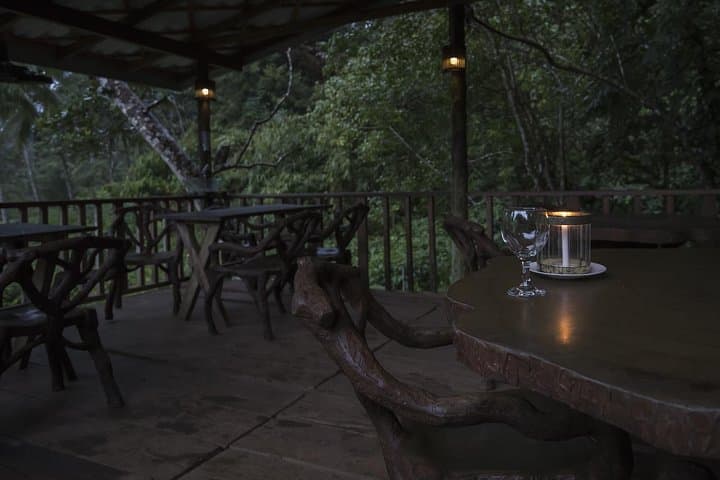
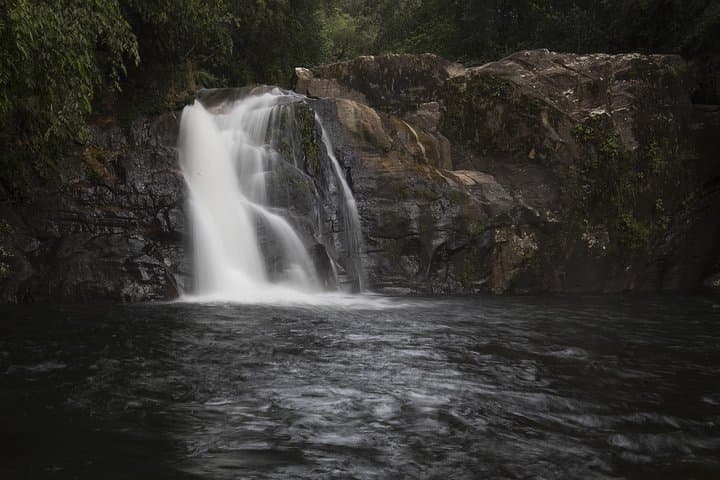
The trail opens under a tall, dripping canopy—light strips through buttressed roots while the air tastes of wet earth and green oil. You step carefully: roots twist like sleeping serpents, the understory hums with insect notes, and distant birdcalls thread the silence. In four to seven hours this half‑day discovery tour moves deliberately through primary lowland rainforest, taking you from the roadside into old‑growth stands dominated by dipterocarps and ironwood.
The trail opens under a tall, dripping canopy—light strips through buttressed roots while the air tastes of wet earth and green oil. You step carefully: roots twist like sleeping serpents, the understory hums with insect notes, and distant birdcalls thread the silence. In four to seven hours this half‑day discovery tour moves deliberately through primary lowland rainforest, taking you from the roadside into old‑growth stands dominated by dipterocarps and ironwood.
Sinharaja is a UNESCO World Heritage site and one of Sri Lanka’s last large tracts of undisturbed wet-zone rainforest, long protected for its exceptional endemism. Geologically the reserve sits on Precambrian bedrock with thick, lateritic soils that feed a dense, layered canopy; culturally, nearby villages like Lankagama have long relied on the forest for non-timber products and guided knowledge passed between generations.
Expect close-up wildlife moments more than long, open vistas: look for the flash of a Sri Lanka blue magpie, the cautious purple-faced langur, and cryptic amphibians on the trail edge. Tours typically include 4WD transfers, lunch, binoculars and leech socks—so the logistics are simple and the focus stays on the forest.
Practical guidance: wear grippy shoes, long socks or leech gaiters, and a breathable rain jacket; bring extra water and a camera with a tele lens if birding. Start early for cooler air and higher bird activity, follow your guide’s route, and stick to paths—Sinharaja’s value depends on responsible visitation.