THE ADVENTURE COLLECTIVE® · Independent discovery and booking for outdoor travel

Venture from Bentota into Sinharaja’s ancient rainforest on a guided day trek led by a naturalist. Experience endemic birds, forest streams, and a traditional lunch while navigating soft, often muddy trails.
Venture from Bentota into Sinharaja’s ancient rainforest on a guided day trek led by a naturalist. Experience endemic birds, forest streams, and a traditional lunch while navigating soft, often muddy trails.
By 8:00 AM the forest has already taken up its work: humid air threading between trunks, a chorus of calls that pinpoints the island’s rarest birds. Walkers arrive from Bentota to meet a naturalist and step onto narrow, root-strewn trails where light filters in sharp green bands and the soil smells of ancient rain.
Verified experiences and guided adventures in the surrounding area.
Operated by Ceylon Travel Dream · Deniyaya, Southern Province
By 8:00 AM the forest has already taken up its work: humid air threading between trunks, a chorus of calls that pinpoints the island’s rarest birds. Walkers arrive from Bentota to meet a naturalist and step onto narrow, root-strewn trails where light filters in sharp green bands and the soil smells of ancient rain.
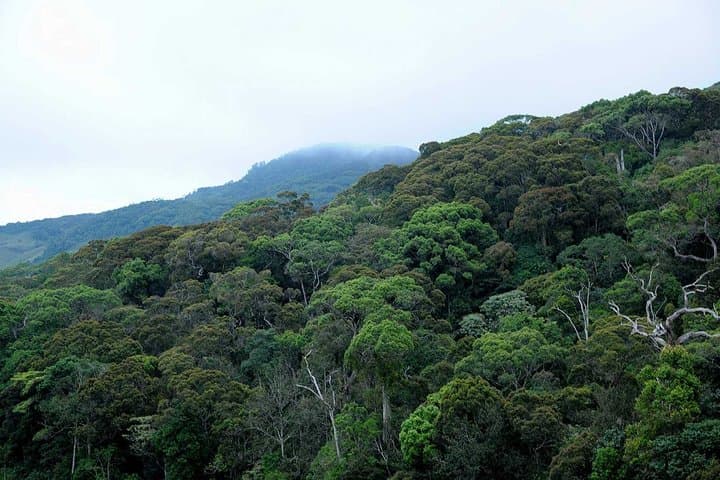
Sinharaja is one of Sri Lanka’s last lowland rainforests and a UNESCO World Heritage Site recognized for its high rate of endemism. Geologically the reserve sits on old metamorphic rock, carved by steep ridges and shallow streams; culturally the area has long supported nearby rural communities who gather herbs and practice small-scale agriculture at its rim.
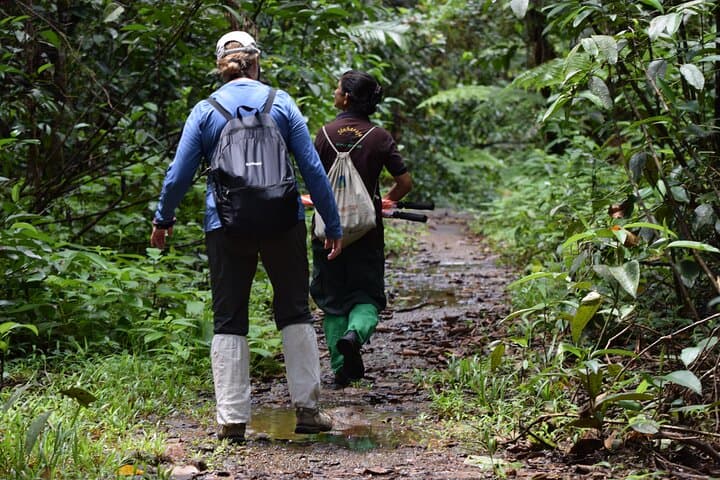
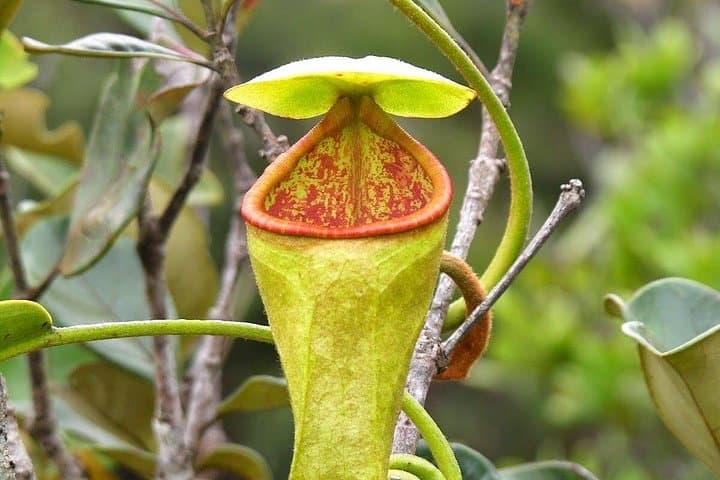
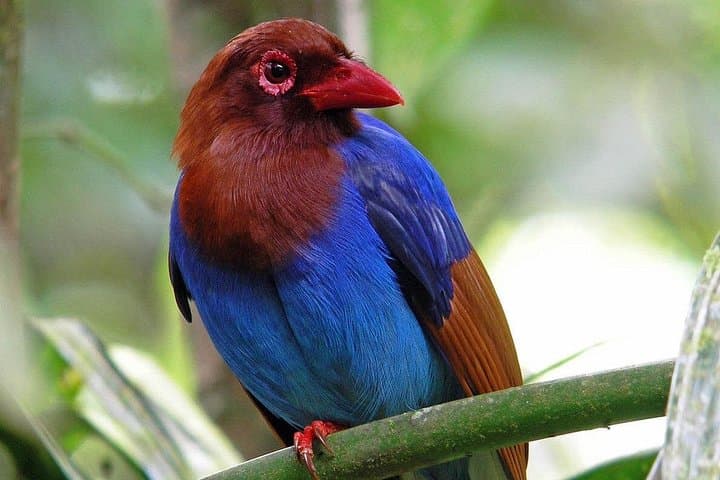
The route is a guided day trek: expect several hours on soft, often muddy paths with intermittent climbs and stream crossings, totaling roughly 4–6 km of walking and modest elevation shifts under 300 m. The forest itself is the star—look for colorful endemic birds, orchids clinging to trunks, and the cautious movement of primates in the canopy. Midday brings a simple Sri Lankan lunch served near the trailhead, a practical pause to cool off and refuel.
Practical notes: wear waterproof hiking shoes, bring insect repellent, and plan for sudden rain — the reserve runs on its own weather. Guides handle permits and orientation; visitors should be prepared for a physically demanding, humid day and follow Leave No Trace practices. For photographers and birders, early season mornings or the drier months after December deliver the clearest sightings and the most comfortable walking conditions.
challenging.
8–10 hours.
Requires high cardiovascular fitness and the ability to hike on uneven, muddy terrain for several hours in humid conditions.
Tours run about 8–10 hours with a 5:00 AM pick-up from Bentota hotels; returns to Bentota are late afternoon.
Yes—an English-speaking naturalist guides the trek and entrance fees are included in the tour price.
No—this tour is not recommended for travelers with spinal or significant mobility issues due to uneven, slippery terrain and stream crossings.
Full refund is available if you cancel at least 24 hours before departure; tours may be canceled for bad weather.
Sinharaja was designated a Sri Lankan nature reserve in the 1970s and became a UNESCO World Heritage Site in 1988 for its unique lowland rainforest biodiversity.
The forest is fragile—stay on trails, avoid single-use plastics, and support local guides who contribute to conservation and community livelihoods.
Ceylon Travel Dream operates guided outdoor trips and adventures with an emphasis on safety, stewardship, and memorable experiences.
By 8:00 AM the forest has already taken up its work: humid air threading between trunks, a chorus of calls that pinpoints the island’s rarest birds. Walkers arrive from Bentota to meet a naturalist and step onto narrow, root-strewn trails where light filters in sharp green bands and the soil smells of ancient rain.
By 8:00 AM the forest has already taken up its work: humid air threading between trunks, a chorus of calls that pinpoints the island’s rarest birds. Walkers arrive from Bentota to meet a naturalist and step onto narrow, root-strewn trails where light filters in sharp green bands and the soil smells of ancient rain.
Sinharaja is one of Sri Lanka’s last lowland rainforests and a UNESCO World Heritage Site recognized for its high rate of endemism. Geologically the reserve sits on old metamorphic rock, carved by steep ridges and shallow streams; culturally the area has long supported nearby rural communities who gather herbs and practice small-scale agriculture at its rim.
The route is a guided day trek: expect several hours on soft, often muddy paths with intermittent climbs and stream crossings, totaling roughly 4–6 km of walking and modest elevation shifts under 300 m. The forest itself is the star—look for colorful endemic birds, orchids clinging to trunks, and the cautious movement of primates in the canopy. Midday brings a simple Sri Lankan lunch served near the trailhead, a practical pause to cool off and refuel.
Practical notes: wear waterproof hiking shoes, bring insect repellent, and plan for sudden rain — the reserve runs on its own weather. Guides handle permits and orientation; visitors should be prepared for a physically demanding, humid day and follow Leave No Trace practices. For photographers and birders, early season mornings or the drier months after December deliver the clearest sightings and the most comfortable walking conditions.