THE ADVENTURE COLLECTIVE® · Independent discovery and booking for outdoor travel

Start before sunrise and walk into the humid, song-filled heart of Sinharaja Rainforest with an expert naturalist. This private six-hour birding hike focuses on endemic species, close-up identification, and responsible wildlife viewing.
Start before sunrise and walk into the humid, song-filled heart of Sinharaja Rainforest with an expert naturalist. This private six-hour birding hike focuses on endemic species, close-up identification, and responsible wildlife viewing.
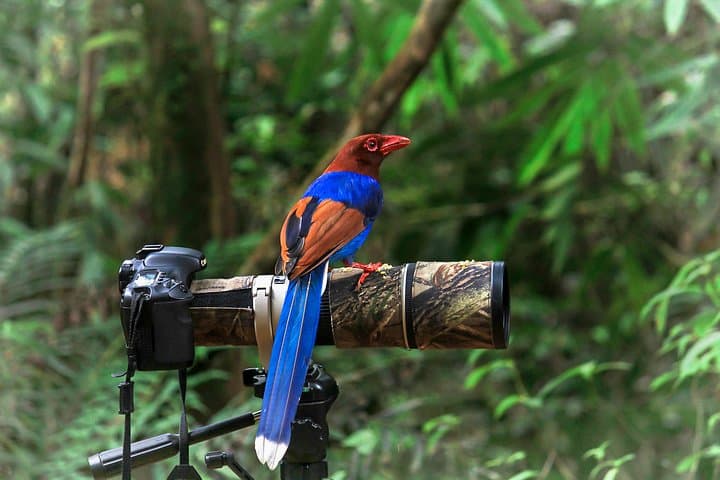
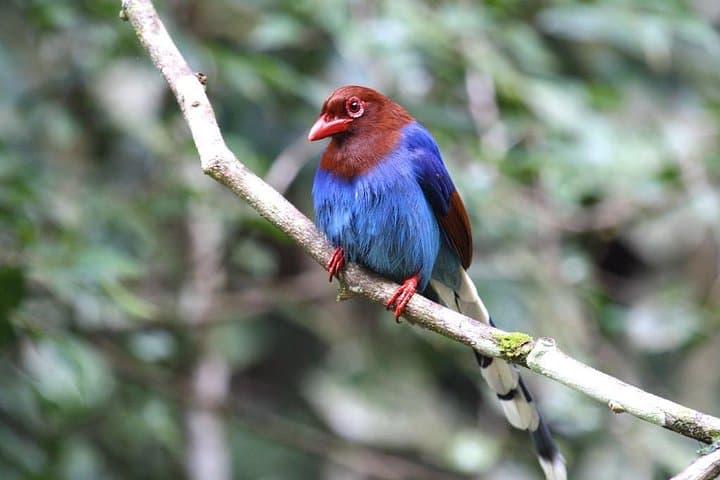
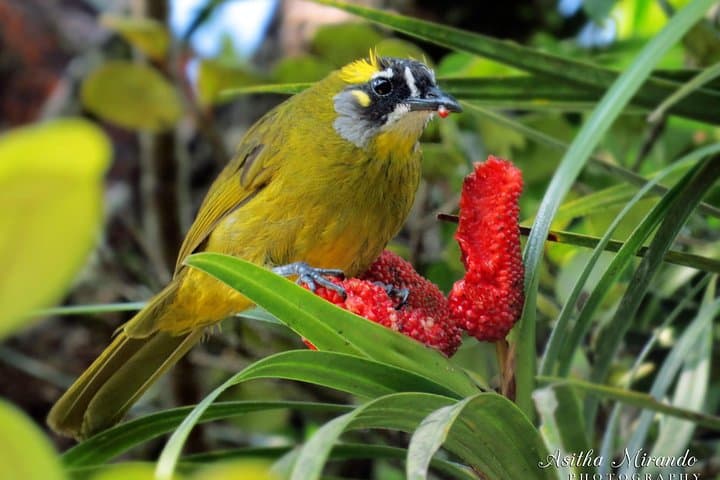
Dawn presses through the canopy as your group gathers at the Sinharaja entrance; droplets cling to leaves and the first insect chorus gives way to sharp, bright bird calls. A naturalist leads you along narrow, root-laced trails, pausing where shafts of light reveal colorful flashes—the Sri Lanka Blue Magpie, quick darting flycatchers, or the deep cluck of a junglefowl. The forest breathes around you; humidity and sound pull you deeper into one of Sri Lanka’s last lowland rainforests.
Verified experiences and guided adventures in the surrounding area.
Operated by Lakpura LLC · Deniyaya, Southern Province
Dawn presses through the canopy as your group gathers at the Sinharaja entrance; droplets cling to leaves and the first insect chorus gives way to sharp, bright bird calls. A naturalist leads you along narrow, root-laced trails, pausing where shafts of light reveal colorful flashes—the Sri Lanka Blue Magpie, quick darting flycatchers, or the deep cluck of a junglefowl. The forest breathes around you; humidity and sound pull you deeper into one of Sri Lanka’s last lowland rainforests.
Sinharaja is a UNESCO Biosphere Reserve in the island’s wet zone, carved by steep valleys and sustained by heavy monsoon rains. Geologically it sits on ancient crystalline rocks with lateritic soils that support towering canopy trees and prolific undergrowth. The forest has long been part of local livelihoods—villagers, tea workers, and traditional healers have coexisted with the grove for generations—and it’s central to Sri Lanka’s conservation history.
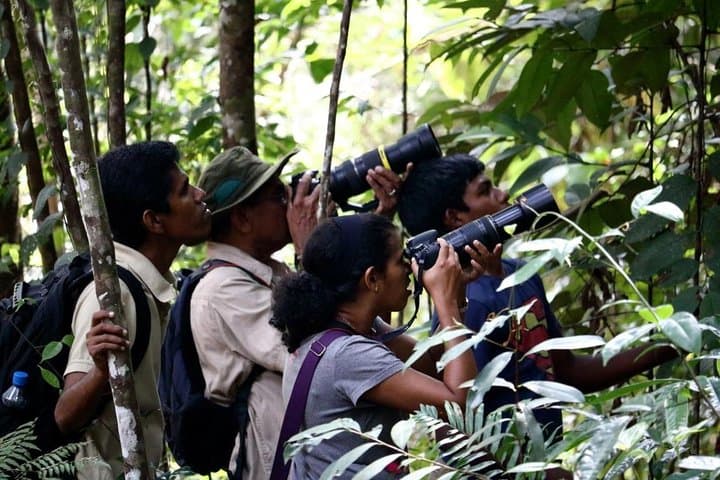
On this private, guide-led six-hour hike you’ll focus on bird identification and ecosystem interpretation. Expect dense undergrowth, muddy sections and intermittent elevation changes; trails are mostly singletrack and can be slippery after rain. Bring binoculars, a camera with a zoom lens, quick-dry clothing, and insect repellent. Start early—the best bird activity is in the first three hours—and move quietly to increase sightings. Keep to trails, follow your guide, and minimize flash photography to avoid disturbing wildlife.
With patience and good timing, the forest rewards you: endemic species, colorful butterflies, and the rare chance of spotting larger mammals. Preparation and respect for the environment will make this day hike both memorable and responsible.
moderate.
6 hours.
Suitable for people with moderate fitness—comfortable walking on uneven, wet trails for several hours.
The guided hike typically starts at 6:00 am to take advantage of peak bird activity and cooler temperatures.
Leopard sightings are rare; guides are experienced at locating wildlife but encounters are not guaranteed and should be treated as exceptional.
The trail is moderate—children and older adults with reasonable mobility can participate, but the tour is not recommended for those with spinal, cardiovascular, or pregnancy restrictions listed by the operator.
Expect butterflies, small mammals, reptiles, and occasionally larger mammals; many sightings depend on time of day, season, and group noise levels.
Sinharaja has long been recognized for its unique biodiversity and was designated a UNESCO Biosphere Reserve in 1978, protecting lowland wet-zone forest that supported traditional local communities.
Visitor impact is managed through guided access and trail use; stick to established paths, avoid feeding wildlife, and follow 'leave no trace' practices to minimize disturbance.
Lakpura LLC operates guided outdoor trips and adventures with an emphasis on safety, stewardship, and memorable experiences.
Dawn presses through the canopy as your group gathers at the Sinharaja entrance; droplets cling to leaves and the first insect chorus gives way to sharp, bright bird calls. A naturalist leads you along narrow, root-laced trails, pausing where shafts of light reveal colorful flashes—the Sri Lanka Blue Magpie, quick darting flycatchers, or the deep cluck of a junglefowl. The forest breathes around you; humidity and sound pull you deeper into one of Sri Lanka’s last lowland rainforests.
Dawn presses through the canopy as your group gathers at the Sinharaja entrance; droplets cling to leaves and the first insect chorus gives way to sharp, bright bird calls. A naturalist leads you along narrow, root-laced trails, pausing where shafts of light reveal colorful flashes—the Sri Lanka Blue Magpie, quick darting flycatchers, or the deep cluck of a junglefowl. The forest breathes around you; humidity and sound pull you deeper into one of Sri Lanka’s last lowland rainforests.
Sinharaja is a UNESCO Biosphere Reserve in the island’s wet zone, carved by steep valleys and sustained by heavy monsoon rains. Geologically it sits on ancient crystalline rocks with lateritic soils that support towering canopy trees and prolific undergrowth. The forest has long been part of local livelihoods—villagers, tea workers, and traditional healers have coexisted with the grove for generations—and it’s central to Sri Lanka’s conservation history.
On this private, guide-led six-hour hike you’ll focus on bird identification and ecosystem interpretation. Expect dense undergrowth, muddy sections and intermittent elevation changes; trails are mostly singletrack and can be slippery after rain. Bring binoculars, a camera with a zoom lens, quick-dry clothing, and insect repellent. Start early—the best bird activity is in the first three hours—and move quietly to increase sightings. Keep to trails, follow your guide, and minimize flash photography to avoid disturbing wildlife.
With patience and good timing, the forest rewards you: endemic species, colorful butterflies, and the rare chance of spotting larger mammals. Preparation and respect for the environment will make this day hike both memorable and responsible.