THE ADVENTURE COLLECTIVE® · Independent discovery and booking for outdoor travel

Spend a full day in Sri Lanka’s Sinharaja Rain Forest with an expert bird guide. This private, full-day tour combines early-morning walks, endemic species searches, and private transport—ideal for serious birders prepared for muddy trails and steady hiking.
Spend a full day in Sri Lanka’s Sinharaja Rain Forest with an expert bird guide. This private, full-day tour combines early-morning walks, endemic species searches, and private transport—ideal for serious birders prepared for muddy trails and steady hiking.
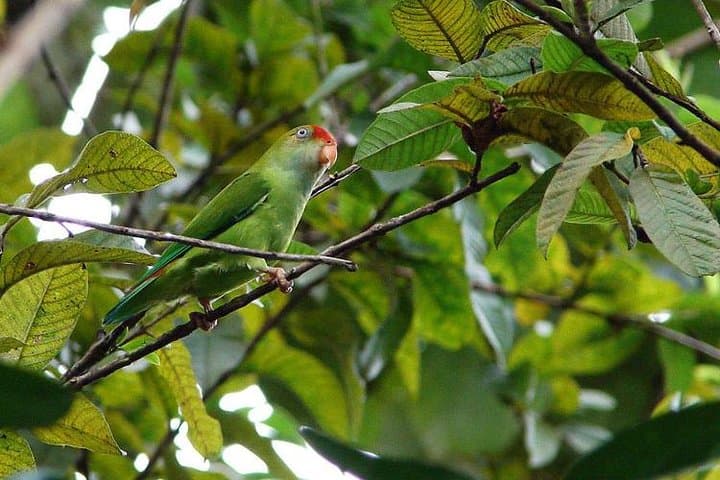
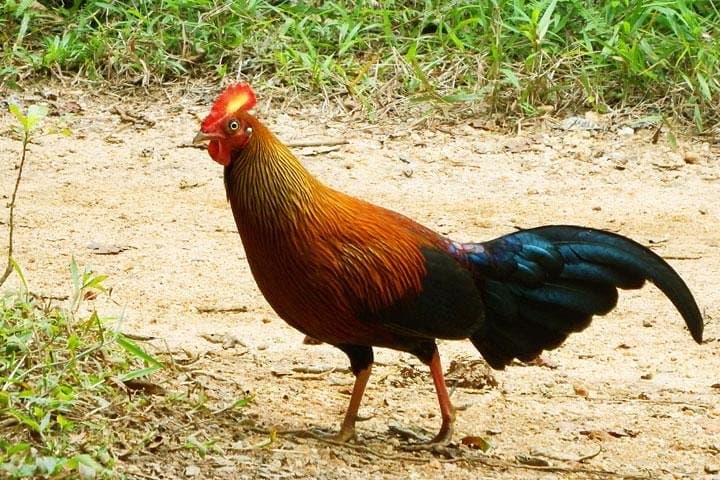
Dawn in Sinharaja arrives as a chorus — clipped calls, metallic whistles and the distant rasp of a woodpecker — the canopy above a deep well of green. Your guide leads a narrow mud-slick trail where light slips between buttressed roots and ferns, and each pause can pull a new endemic species into view.
Verified experiences and guided adventures in the surrounding area.
Operated by Ornithvacations~ Birding and Wildlife Holidays · Deniyaya, Southern Province
Dawn in Sinharaja arrives as a chorus — clipped calls, metallic whistles and the distant rasp of a woodpecker — the canopy above a deep well of green. Your guide leads a narrow mud-slick trail where light slips between buttressed roots and ferns, and each pause can pull a new endemic species into view.
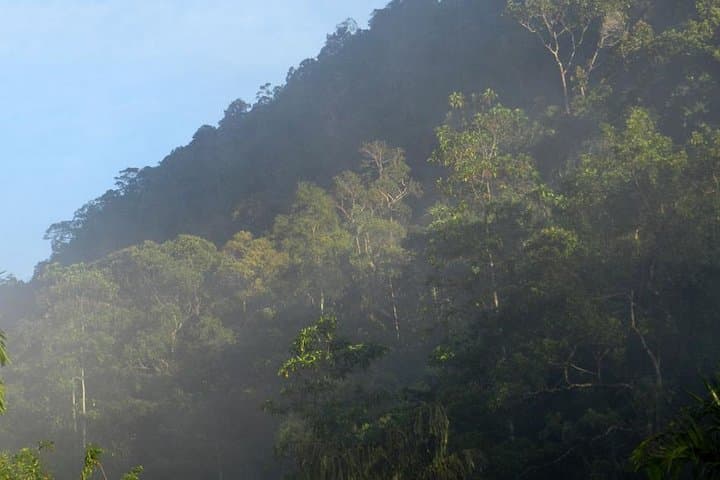
The Sinharaja Forest Reserve is Sri Lanka’s last significant tract of lowland tropical rainforest, carved by heavy monsoon rains and folded terrain over millennia. Rich soil and steep valleys host flora and specialized birds found nowhere else on Earth; local villages historically worked with the forest for charcoal and timber, and now increasingly for conservation and eco-tourism.
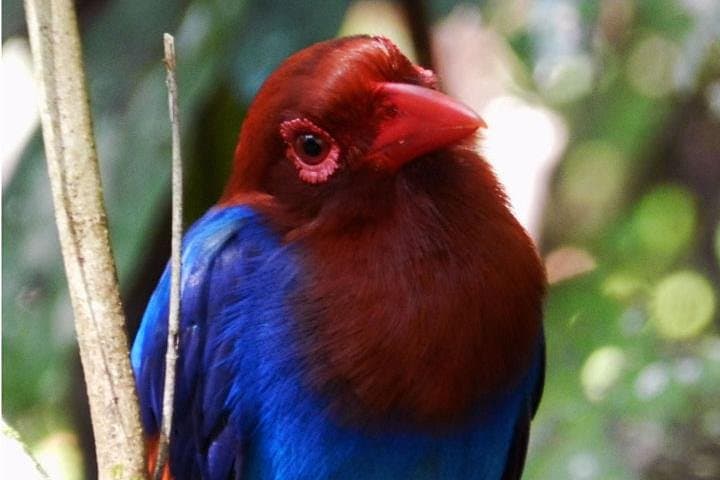
Expect uneven, often muddy trails with short steep sections and low visibility under dense canopy. A typical day walk covers 4–7 km on forest paths with intermittent elevation changes; you’ll move slowly, scanning trunks and understory for Sri Lankan specialties such as the blue magpie and whistling thrush.
Practically: the tour is a full day (about 10–12 hours door-to-door with private transport), so plan for early starts, steady pace, and frequent stops for sightings. Wear grippy hiking shoes, long sleeves for leeches and insects, and carry binoculars and a compact guidebook or app. Rain is common — a lightweight rain jacket and quick-dry clothing make the difference.
Guides focus on detection and ethical viewing: minimize playback, keep distances for nesting birds, and follow leave-no-trace practices. For birders, Sinharaja rewards patience with rare endemics and intimate encounters beneath a living, breathing canopy.
challenging.
10–12 hours.
Suitable for hikers in good cardio shape who can handle several hours of walking on muddy, uneven trails and short steep sections.
Guides typically cover 4–7 km on forest trails during the habitat search; the full tour duration including transport is about 10–12 hours.
Facilities are limited; expect basic toilets at the reserve entrance and bring hand sanitizer and toilet paper for field stops.
Yes — with an expert guide you’ll have a strong chance to see several Sri Lankan endemics, though sightings can’t be guaranteed and depend on weather and timing.
Not recommended for those with serious mobility restrictions or spinal problems; the terrain can be slippery and uneven and requires sustained walking.
Sinharaja was designated a biosphere reserve and later a UNESCO World Heritage Site to protect one of the island’s last primary lowland rainforests and its unique species.
Visitor fees and guided access support anti-logging patrols and local conservation programs; stay on trails and follow guide directions to minimize disturbance.
Ornithvacations~ Birding and Wildlife Holidays operates guided outdoor trips and adventures with an emphasis on safety, stewardship, and memorable experiences.
Dawn in Sinharaja arrives as a chorus — clipped calls, metallic whistles and the distant rasp of a woodpecker — the canopy above a deep well of green. Your guide leads a narrow mud-slick trail where light slips between buttressed roots and ferns, and each pause can pull a new endemic species into view.
Dawn in Sinharaja arrives as a chorus — clipped calls, metallic whistles and the distant rasp of a woodpecker — the canopy above a deep well of green. Your guide leads a narrow mud-slick trail where light slips between buttressed roots and ferns, and each pause can pull a new endemic species into view.
The Sinharaja Forest Reserve is Sri Lanka’s last significant tract of lowland tropical rainforest, carved by heavy monsoon rains and folded terrain over millennia. Rich soil and steep valleys host flora and specialized birds found nowhere else on Earth; local villages historically worked with the forest for charcoal and timber, and now increasingly for conservation and eco-tourism.
Expect uneven, often muddy trails with short steep sections and low visibility under dense canopy. A typical day walk covers 4–7 km on forest paths with intermittent elevation changes; you’ll move slowly, scanning trunks and understory for Sri Lankan specialties such as the blue magpie and whistling thrush.
Practically: the tour is a full day (about 10–12 hours door-to-door with private transport), so plan for early starts, steady pace, and frequent stops for sightings. Wear grippy hiking shoes, long sleeves for leeches and insects, and carry binoculars and a compact guidebook or app. Rain is common — a lightweight rain jacket and quick-dry clothing make the difference.
Guides focus on detection and ethical viewing: minimize playback, keep distances for nesting birds, and follow leave-no-trace practices. For birders, Sinharaja rewards patience with rare endemics and intimate encounters beneath a living, breathing canopy.