THE ADVENTURE COLLECTIVE® · Independent discovery and booking for outdoor travel

Spend a full day exploring Sri Lanka’s UNESCO-listed Sinharaja Rain Forest on a guided walk from Bentota. Expect humid forest trails, endemic birds and primates, and a return through rubber plantations and village lanes.
Spend a full day exploring Sri Lanka’s UNESCO-listed Sinharaja Rain Forest on a guided walk from Bentota. Expect humid forest trails, endemic birds and primates, and a return through rubber plantations and village lanes.
A cool, damp morning unfurls as the van leaves Bentota and the coastline’s humidity gives way to the smell of wet earth. Within an hour the road climbs toward misted ridges and the forest opens like a living wall: ferns drip, palms tilt, and the canopy seems to breathe. Walking trails thread through thick understorey where sunlight punches narrow shafts onto the leaf litter and the river’s current dares you to follow its course.
Verified experiences and guided adventures in the surrounding area.
Operated by daytoursrilanka · Deniyaya, Southern Province
A cool, damp morning unfurls as the van leaves Bentota and the coastline’s humidity gives way to the smell of wet earth. Within an hour the road climbs toward misted ridges and the forest opens like a living wall: ferns drip, palms tilt, and the canopy seems to breathe. Walking trails thread through thick understorey where sunlight punches narrow shafts onto the leaf litter and the river’s current dares you to follow its course.
Sinharaja is one of Sri Lanka’s last stretches of primary rainforest and a UNESCO World Heritage site, protected for its exceptional endemic flora and fauna. The geology here is old gneiss and schist folded into low mountains; soils are rich in organic matter and support tall emergent trees that host a complex understory. Local villages around the reserve maintain a long history of small-scale agriculture—rubber and tea plantations—and many guides are drawn from these communities.
Expect a full-day rhythm: a guided 2–4 hour walk on maintained trails, steady but not technical terrain, and time to listen for the calls of endemic birds and the movement of langurs overhead. Practicalities are straightforward: wear closed shoes with good grip, pack a lightweight rain shell and insect repellent, and bring at least 1–2 liters of water. Start early to catch cooler air and active wildlife; midafternoon light recedes under the canopy.
The tour typically returns through rubber plantations and a village road, offering a clear sense of how this rainforest meets human landscape. Move deliberately, keep noise low, and follow your guide’s lead—Sinharaja rewards patience with close wildlife sightings and the slow reveal of an ancient forest.
easy.
8 hours (full-day).
Suitable for most fitness levels; involves 2–4 hours of steady walking on mostly non-technical trails.
This is a full-day (about 8-hour) outing with 2–4 hours of guided walking on maintained, non-technical trails within Sinharaja.
Yes—local guides and driver/guide services are included; guides know the trails, wildlife behavior, and village routes.
The walk is rated easy and suitable for most ages, but consider mobility limits and bring a carrier for infants if needed.
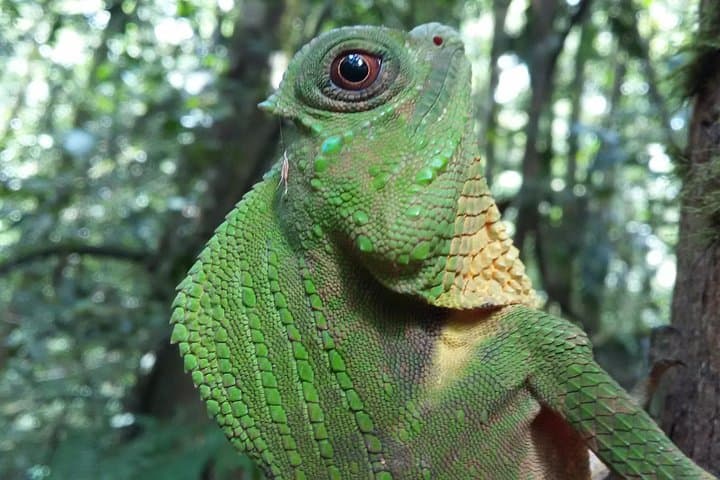
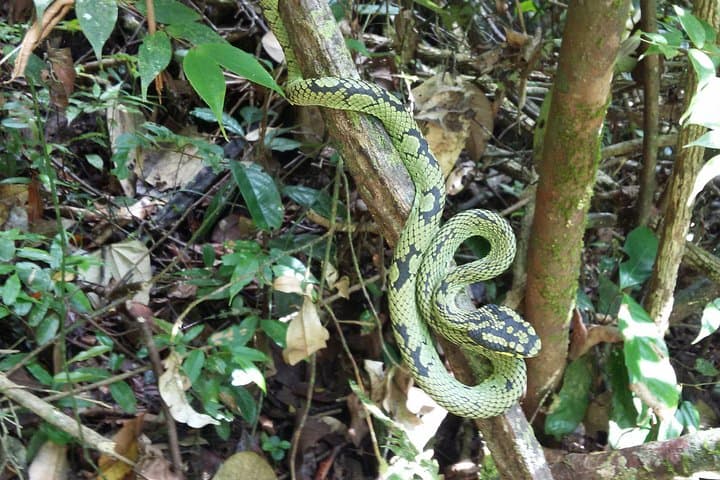
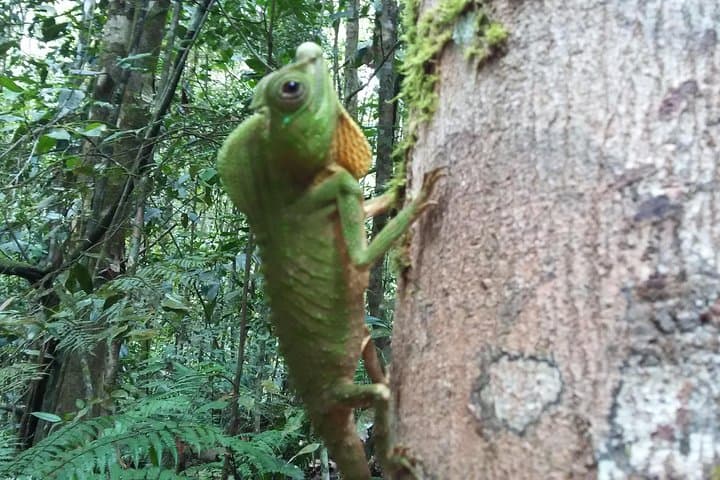
Yes—early mornings increase chances to spot endemic birds like the Sri Lanka blue magpie and primates such as purple-faced langurs, though sightings are never guaranteed.
Sinharaja was inscribed as a UNESCO World Heritage site in 1988 and preserves a remnant of Sri Lanka’s primary lowland rainforest.
The reserve is a biodiversity hotspot with strict protections—stay on trails, avoid single-use plastics, and follow guide instructions to minimize impact.
daytoursrilanka operates guided outdoor trips and adventures with an emphasis on safety, stewardship, and memorable experiences.
A cool, damp morning unfurls as the van leaves Bentota and the coastline’s humidity gives way to the smell of wet earth. Within an hour the road climbs toward misted ridges and the forest opens like a living wall: ferns drip, palms tilt, and the canopy seems to breathe. Walking trails thread through thick understorey where sunlight punches narrow shafts onto the leaf litter and the river’s current dares you to follow its course.
A cool, damp morning unfurls as the van leaves Bentota and the coastline’s humidity gives way to the smell of wet earth. Within an hour the road climbs toward misted ridges and the forest opens like a living wall: ferns drip, palms tilt, and the canopy seems to breathe. Walking trails thread through thick understorey where sunlight punches narrow shafts onto the leaf litter and the river’s current dares you to follow its course.
Sinharaja is one of Sri Lanka’s last stretches of primary rainforest and a UNESCO World Heritage site, protected for its exceptional endemic flora and fauna. The geology here is old gneiss and schist folded into low mountains; soils are rich in organic matter and support tall emergent trees that host a complex understory. Local villages around the reserve maintain a long history of small-scale agriculture—rubber and tea plantations—and many guides are drawn from these communities.
Expect a full-day rhythm: a guided 2–4 hour walk on maintained trails, steady but not technical terrain, and time to listen for the calls of endemic birds and the movement of langurs overhead. Practicalities are straightforward: wear closed shoes with good grip, pack a lightweight rain shell and insect repellent, and bring at least 1–2 liters of water. Start early to catch cooler air and active wildlife; midafternoon light recedes under the canopy.
The tour typically returns through rubber plantations and a village road, offering a clear sense of how this rainforest meets human landscape. Move deliberately, keep noise low, and follow your guide’s lead—Sinharaja rewards patience with close wildlife sightings and the slow reveal of an ancient forest.