THE ADVENTURE COLLECTIVE® · Independent discovery and booking for outdoor travel

Spend 4–6 hours with a local guide tracking endemic species through Sri Lanka’s Sinharaja Rain Forest. This practical guide covers what to expect on trails, when to go, and how to prepare for humid, wildlife-rich terrain.
Spend 4–6 hours with a local guide tracking endemic species through Sri Lanka’s Sinharaja Rain Forest. This practical guide covers what to expect on trails, when to go, and how to prepare for humid, wildlife-rich terrain.
Morning light sifts through towering dipterocarps and the forest exhales damp, green air — you move quietly, senses sharpening to a chorus of calls. On a 4–6 hour guided walk through Sinharaja Rain Forest you follow narrow, root-laced tracks, cross shallow streams and pause where the canopy opens to watch endemic species flash through the midstory.
Verified experiences and guided adventures in the surrounding area.
Operated by Sinharaja Tour Guide · Deniyaya, Southern Province
Morning light sifts through towering dipterocarps and the forest exhales damp, green air — you move quietly, senses sharpening to a chorus of calls. On a 4–6 hour guided walk through Sinharaja Rain Forest you follow narrow, root-laced tracks, cross shallow streams and pause where the canopy opens to watch endemic species flash through the midstory.
Sinharaja is Sri Lanka’s last substantial lowland rainforest and a UNESCO World Heritage site, formed on ancient uplifted coastal sediments that weather into steep ridges and narrow valleys. The reserve’s isolation fostered high endemism: expect birds that occur nowhere else, and a forest culture shaped by nearby villages and tea estates that have long used sustainable collection and small-scale farming.
A guided tour focuses attention — guides read calls, point out subtle motion and explain forest ecology and local conservation efforts. Trails range from flat, well-worn routes to steeper sidetracks; leech socks are commonly used during the rainy season. Photography-friendly pauses let you switch lenses and let the forest resume its work of concealing.
Practical guidance: start at first light for the best views, bring a 300mm-equivalent lens or quality binoculars, wear quick-dry clothing and rubber-soled shoes, and carry a lightweight rain shell. Hydrate before and after the walk; bottled water is usually provided. Respect quiet zones, stay on the path to protect undergrowth, and expect humid, insect-rich conditions — the forest’s life is persistent and unhurried.
easy.
4–6 hours.
Suitable for most fitness levels; involves walking over uneven, sometimes muddy tracks for several hours.
Tours typically run 4–6 hours, with most guides starting at dawn and returning mid-morning or early afternoon.
Many tours are suitable for families and those with moderate mobility; routes are usually chosen to match participant ability and mobility-accessible options exist.
Guides focus on known territories and listening for calls increases likelihood of spotting endemics like the Sri Lanka blue magpie, but sightings cannot be guaranteed.
Leeches are common in the wet season; wearing leech socks and checking often mitigates bites, and guides can assist with removal if needed.
Sinharaja was designated a UNESCO World Heritage Site in 1988; its isolation preserved flora and fauna through centuries of coastal change.
The reserve is protected but sensitive to illegal logging and edge effects; stick to trails, minimize waste, and support local guides who practice low-impact tourism.
Sinharaja Tour Guide operates guided outdoor trips and adventures with an emphasis on safety, stewardship, and memorable experiences.
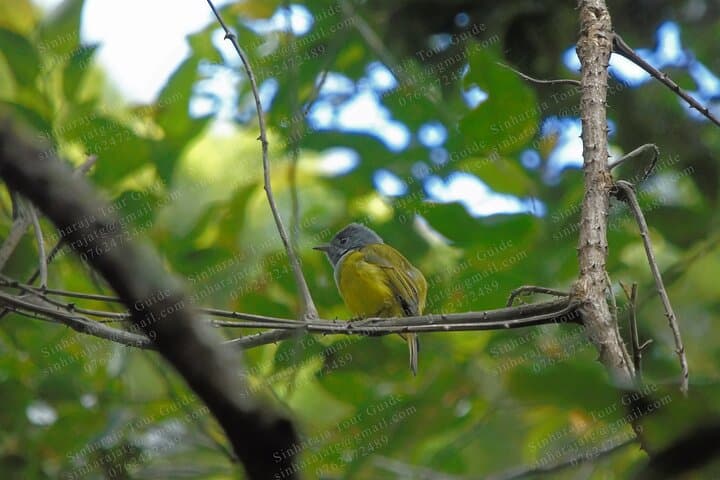
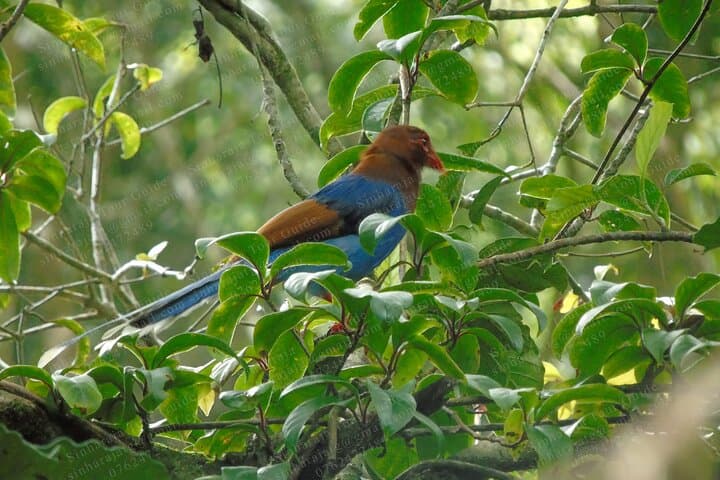
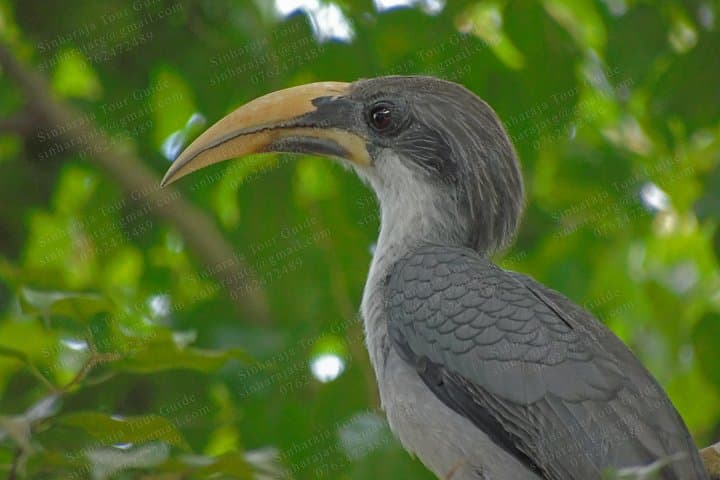
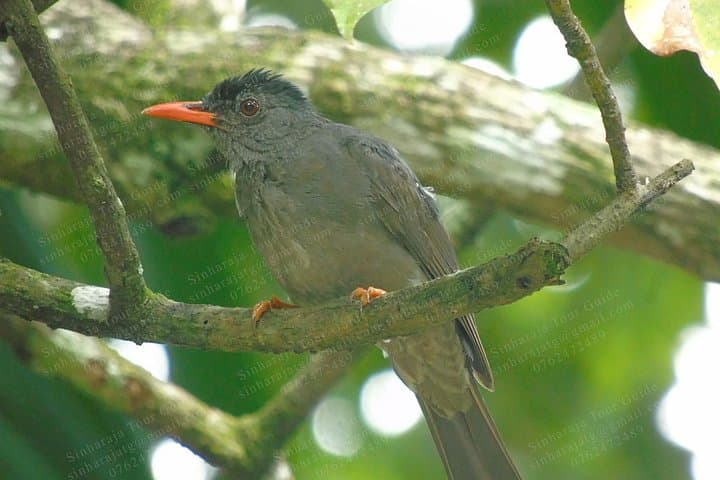
Morning light sifts through towering dipterocarps and the forest exhales damp, green air — you move quietly, senses sharpening to a chorus of calls. On a 4–6 hour guided walk through Sinharaja Rain Forest you follow narrow, root-laced tracks, cross shallow streams and pause where the canopy opens to watch endemic species flash through the midstory.
Morning light sifts through towering dipterocarps and the forest exhales damp, green air — you move quietly, senses sharpening to a chorus of calls. On a 4–6 hour guided walk through Sinharaja Rain Forest you follow narrow, root-laced tracks, cross shallow streams and pause where the canopy opens to watch endemic species flash through the midstory.
Sinharaja is Sri Lanka’s last substantial lowland rainforest and a UNESCO World Heritage site, formed on ancient uplifted coastal sediments that weather into steep ridges and narrow valleys. The reserve’s isolation fostered high endemism: expect birds that occur nowhere else, and a forest culture shaped by nearby villages and tea estates that have long used sustainable collection and small-scale farming.
A guided tour focuses attention — guides read calls, point out subtle motion and explain forest ecology and local conservation efforts. Trails range from flat, well-worn routes to steeper sidetracks; leech socks are commonly used during the rainy season. Photography-friendly pauses let you switch lenses and let the forest resume its work of concealing.
Practical guidance: start at first light for the best views, bring a 300mm-equivalent lens or quality binoculars, wear quick-dry clothing and rubber-soled shoes, and carry a lightweight rain shell. Hydrate before and after the walk; bottled water is usually provided. Respect quiet zones, stay on the path to protect undergrowth, and expect humid, insect-rich conditions — the forest’s life is persistent and unhurried.