THE ADVENTURE COLLECTIVE® · Independent discovery and booking for outdoor travel

Two days in Sinharaja focus on endemic birds, quiet tracking, and early-morning watches beneath a wet canopy. This private, guide-led excursion pairs lodging, meals, and transport for an efficient wildlife-first visit.
Two days in Sinharaja focus on endemic birds, quiet tracking, and early-morning watches beneath a wet canopy. This private, guide-led excursion pairs lodging, meals, and transport for an efficient wildlife-first visit.
You step off the jeep into a heat-wet hush: leaves drip, understory ferns tilt like listening ears, and distant calls thread through the canopy. The Sinharaja Rain Forest doesn’t announce itself so much as startle you with color and sound—the red of a Sri Lanka blue magpie flashing past, a triller insisting on its territory.
Verified experiences and guided adventures in the surrounding area.
Operated by Ornithvacations~ Birding and Wildlife Holidays · Deniyaya, Southern Province
You step off the jeep into a heat-wet hush: leaves drip, understory ferns tilt like listening ears, and distant calls thread through the canopy. The Sinharaja Rain Forest doesn’t announce itself so much as startle you with color and sound—the red of a Sri Lanka blue magpie flashing past, a triller insisting on its territory.
This UNESCO World Heritage forest is a remnant of Sri Lanka’s wet-zone rainforest, folded into steep ridges of ancient gneiss and charnockite. Logged at the edges in the 20th century but protected since the 1970s, Sinharaja preserves endemic birds, amphibians, and an understory shaped by monsoon pulses. Local villages around Deniyaya and Rakwana maintain small-scale agriculture and hospitality, and guides bring cultural knowledge as readily as binoculars.
Over two days with an experienced birder-guide you’ll move along packed earth trails and root-strewn lanes, starting pre-dawn when endemic species like the Sri Lanka Spurfowl and the Green-billed Coucal are most active. Expect close-range observation, patient waits beside streams, and a moderated pace—this is observational travel more than a march.
Plan for muddy sections, sudden showers, and sticky heat: breathable layers, rain protection, and insect control are musts. Hydrate early, protect phones and optics from humidity, and allow quiet pockets of time; the forest rewards those who listen. The tour’s private transport and single-night lodge make logistics straightforward—arrive rested, leave with a checklist of endemic species and a clearer sense of Sri Lanka’s living history.
moderate.
2 days.
Moderate fitness: able to walk uneven, sometimes muddy forest trails for 3–6 hours per day
Guides typically target Sri Lanka endemics such as the Sri Lanka Blue Magpie, Red-faced Malkoha, and several leaf warblers; sightings depend on season and effort.
Older children who can handle early mornings and uneven trails may enjoy it; the operator advises moderate fitness and notes it’s not recommended for those with serious back or heart issues.
One night’s twin/double sharing is included at a local lodge (Birds Paradise Hotel or similar) near the reserve entrance.
Yes—private air-conditioned transport, breakfast, lunch, and dinner are included, along with 1L of drinking water per person per day.
Sinharaja was declared a forest reserve in 1875 and a UNESCO World Heritage Site in 1988, protecting one of the last tracts of Sri Lanka's lowland rainforest.
Visitor numbers are managed and local guides emphasize low-impact practices; stay on trails and avoid single-use plastics to reduce disturbance.
Ornithvacations~ Birding and Wildlife Holidays operates guided outdoor trips and adventures with an emphasis on safety, stewardship, and memorable experiences.


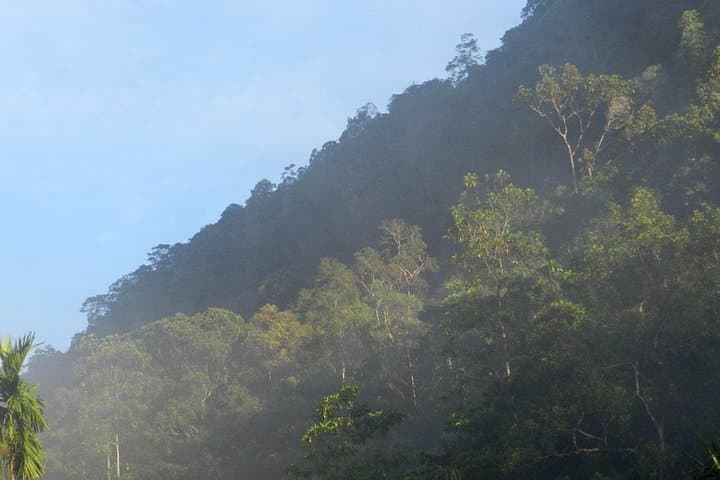

You step off the jeep into a heat-wet hush: leaves drip, understory ferns tilt like listening ears, and distant calls thread through the canopy. The Sinharaja Rain Forest doesn’t announce itself so much as startle you with color and sound—the red of a Sri Lanka blue magpie flashing past, a triller insisting on its territory.
You step off the jeep into a heat-wet hush: leaves drip, understory ferns tilt like listening ears, and distant calls thread through the canopy. The Sinharaja Rain Forest doesn’t announce itself so much as startle you with color and sound—the red of a Sri Lanka blue magpie flashing past, a triller insisting on its territory.
This UNESCO World Heritage forest is a remnant of Sri Lanka’s wet-zone rainforest, folded into steep ridges of ancient gneiss and charnockite. Logged at the edges in the 20th century but protected since the 1970s, Sinharaja preserves endemic birds, amphibians, and an understory shaped by monsoon pulses. Local villages around Deniyaya and Rakwana maintain small-scale agriculture and hospitality, and guides bring cultural knowledge as readily as binoculars.
Over two days with an experienced birder-guide you’ll move along packed earth trails and root-strewn lanes, starting pre-dawn when endemic species like the Sri Lanka Spurfowl and the Green-billed Coucal are most active. Expect close-range observation, patient waits beside streams, and a moderated pace—this is observational travel more than a march.
Plan for muddy sections, sudden showers, and sticky heat: breathable layers, rain protection, and insect control are musts. Hydrate early, protect phones and optics from humidity, and allow quiet pockets of time; the forest rewards those who listen. The tour’s private transport and single-night lodge make logistics straightforward—arrive rested, leave with a checklist of endemic species and a clearer sense of Sri Lanka’s living history.