THE ADVENTURE COLLECTIVE® · Independent discovery and booking for outdoor travel

A brisk half-day guided tour to Sinhagad Fort offers sweeping views, wind-swept ramparts and concise local history. Expect short hikes over basalt steps, roadside food stalls, and memorable vistas over Khadakwasla.
A brisk half-day guided tour to Sinhagad Fort offers sweeping views, wind-swept ramparts and concise local history. Expect short hikes over basalt steps, roadside food stalls, and memorable vistas over Khadakwasla.
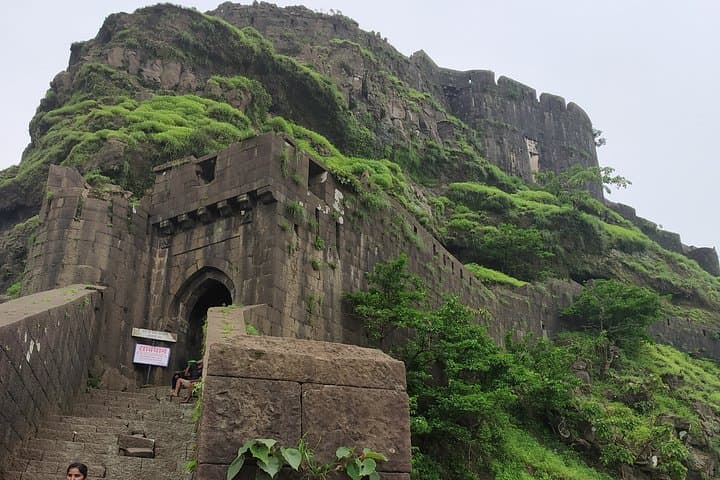
You crest a stony spur and the wind takes the lead—brisk, insistent, sweeping dust and cloudline across a wide, basalt plain. Sinhagad’s ramparts rise like a weathered vertebra against the skyline; below, the Khadakwasla reservoir glints and the plains of Pune unfold into a faint urban grid.
Verified experiences and guided adventures in the surrounding area.
Operated by Yo Tours · Pune, Maharashtra
You crest a stony spur and the wind takes the lead—brisk, insistent, sweeping dust and cloudline across a wide, basalt plain. Sinhagad’s ramparts rise like a weathered vertebra against the skyline; below, the Khadakwasla reservoir glints and the plains of Pune unfold into a faint urban grid.
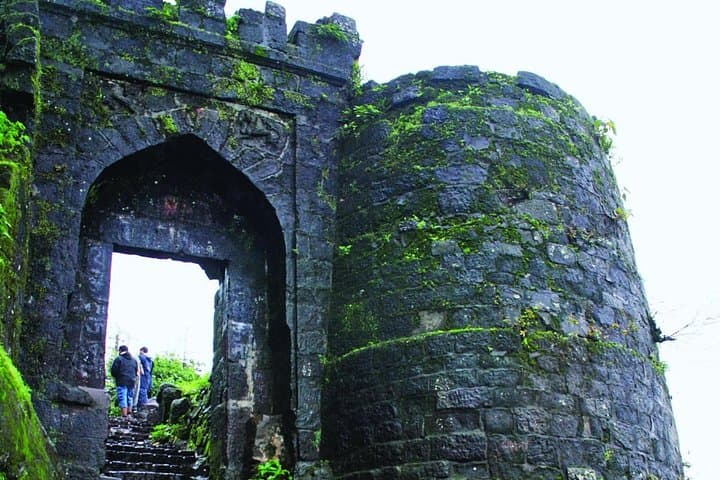
The fort has stood in this Deccan Trap basalt for centuries, its walls refortified through Maratha and earlier Bahmani rule. Most visitors come for the story of Tanaji Malusare and the 1670 battle that made Sinhagad a local legend; the memorials, temples and ruined stables still mark those chapters. Geologically, the mesa sits on layered lava flows—hard, fractured rock that forms steep steps and sudden cliffs.
Culturally the site is straightforward: Marathi snacks served at the top, pilgrims at small shrines, and storytellers recounting military tales. Nearby Khadakwasla Dam and Hawa Point are quieter counterpoints—good for a shoreline walk or a wind-whipped sunset.
Practical guidance: this guided half-day runs about five hours with short walks over uneven stone and concrete paths—suitable for most fitness levels but watch your footing on wet days. Start early for sunrise or late afternoon to avoid midday heat; carry 1–2 liters of water, cash for food stalls, and a light layer for the gusty summit. Toilets and vendors are available but basic; the guide will handle routing and local context.
Whether you go for the history, the skyline, or the crisp wind at Hawa Point, Sinhagad is a compact, accessible slice of Maharashtra that rewards simple preparation and steady shoes.
easy.
5 hours.
Basic fitness required: able to walk short inclines and negotiate uneven stone steps.
Most visitors travel by car or taxi—about 30–60 minutes depending on traffic; there are also local buses to the base followed by a short walk or drive to the fort.
The guided half-day tour is rated easy with short, manageable climbs over stone steps; people with basic mobility can usually participate but wear good shoes.
Yes—basic vendor stalls serve Maharashtrian snacks (onion bhaji, tea) and there are public toilets, but facilities are simple so plan accordingly.
Dry months (October–March) offer clear views and cool weather; early morning or late afternoon reduces heat and crowds. Avoid heavy monsoon rain for safety.
Sinhagad is famous for the 1670 battle led by Tanaji Malusare during the Maratha era; its ruins and memorials reflect repeated sieges over centuries.
High visitor numbers and roadside vendors strain the site—stick to marked areas, avoid littering, and support local guides and vendors to keep the fort maintained.
Yo Tours operates guided outdoor trips and adventures with an emphasis on safety, stewardship, and memorable experiences.

You crest a stony spur and the wind takes the lead—brisk, insistent, sweeping dust and cloudline across a wide, basalt plain. Sinhagad’s ramparts rise like a weathered vertebra against the skyline; below, the Khadakwasla reservoir glints and the plains of Pune unfold into a faint urban grid.
You crest a stony spur and the wind takes the lead—brisk, insistent, sweeping dust and cloudline across a wide, basalt plain. Sinhagad’s ramparts rise like a weathered vertebra against the skyline; below, the Khadakwasla reservoir glints and the plains of Pune unfold into a faint urban grid.
The fort has stood in this Deccan Trap basalt for centuries, its walls refortified through Maratha and earlier Bahmani rule. Most visitors come for the story of Tanaji Malusare and the 1670 battle that made Sinhagad a local legend; the memorials, temples and ruined stables still mark those chapters. Geologically, the mesa sits on layered lava flows—hard, fractured rock that forms steep steps and sudden cliffs.
Culturally the site is straightforward: Marathi snacks served at the top, pilgrims at small shrines, and storytellers recounting military tales. Nearby Khadakwasla Dam and Hawa Point are quieter counterpoints—good for a shoreline walk or a wind-whipped sunset.
Practical guidance: this guided half-day runs about five hours with short walks over uneven stone and concrete paths—suitable for most fitness levels but watch your footing on wet days. Start early for sunrise or late afternoon to avoid midday heat; carry 1–2 liters of water, cash for food stalls, and a light layer for the gusty summit. Toilets and vendors are available but basic; the guide will handle routing and local context.
Whether you go for the history, the skyline, or the crisp wind at Hawa Point, Sinhagad is a compact, accessible slice of Maharashtra that rewards simple preparation and steady shoes.