THE ADVENTURE COLLECTIVE® · Independent discovery and booking for outdoor travel

Tailor a four-hour private walk through Singapore’s most dynamic neighborhoods — Marina Bay, Chinatown and the city’s famed gardens — with a local guide who blends history, food stops and efficient routing. Ideal for travelers who want a concentrated, personalized view of the city.
Tailor a four-hour private walk through Singapore’s most dynamic neighborhoods — Marina Bay, Chinatown and the city’s famed gardens — with a local guide who blends history, food stops and efficient routing. Ideal for travelers who want a concentrated, personalized view of the city.
Morning light slices across the glass towers of Marina Bay, and the city exhales humidity as your guide folds a paper map and points down a side street. You move from mirrored skyscrapers into the low-slung lanes of Chinatown, past ornate shophouses where steam still rises from hawker stalls, then out to the engineered cool of a conservatory dome — all within a four-hour arc that feels both compact and expansive.
Verified experiences and guided adventures in the surrounding area.
Operated by Connect Horizons Pte. Ltd. · Singapore, Singapore
Morning light slices across the glass towers of Marina Bay, and the city exhales humidity as your guide folds a paper map and points down a side street. You move from mirrored skyscrapers into the low-slung lanes of Chinatown, past ornate shophouses where steam still rises from hawker stalls, then out to the engineered cool of a conservatory dome — all within a four-hour arc that feels both compact and expansive.
Singapore’s story is urban: a 19th-century entrepôt that grew into a global city-state, with neighborhoods shaped by colonial planning, immigrant trades, and deliberate green engineering. Geology is subtle here — granite at Bukit Timah rises inland while much of the waterfront is reclaimed land and mangrove edge reworked into promenades and parks. Cultural life is immediate: Buddhist temples, Malay mosques, Indian spice shops and hawker centers sit rationally close, each reflecting waves of settlement and the strict municipal stewardship that keeps tree-lined streets and the Botanic Gardens in near-perfect order.
Practical guidance is straightforward. Plan for heat and sudden showers: lightweight, breathable clothing and a compact rain jacket make the difference between discomfort and momentum. Use public transport to shorten gaps between sites — an EZ-Link or contactless card is handy. Bring cash for hawker food, but expect card acceptance in many spots. Opt for an early start to avoid midday humidity; evenings are better for Marina Bay photography. The route is largely accessible, but confirm specific mobility needs with your guide. Hydrate frequently, wear comfortable walking shoes, and leave room in your schedule for a recommended snack stop — a local char kway teow or kopi offers both fuel and a window into daily Singaporean life.
moderate.
4 hours.
Moderate fitness—comfortable walking for several hours with short bursts of standing and stair sections.
Many central routes and attractions are wheelchair accessible, but confirm specific mobility needs when booking so the guide can plan an accessible itinerary.
Yes—tour is customizable to include one major garden conservatory or the Botanic Gardens, though entry tickets may be included for one attraction only.
Snacks and a chance to sample hawker fare are included in the experience, but full meals or additional food purchases are at your own expense.
The listed guide has a European background with extensive local experience; confirm language preferences at booking to match you with a suitable host.
Singapore developed as a British trading port in 1819 and grew into a multicultural city-state with deliberate urban planning shaping its neighborhoods and green network.
Singapore balances urban growth with green initiatives—strict littering laws, park preservation and active mangrove and reef restoration support biodiversity in a dense cityscape.
Connect Horizons Pte. Ltd. operates guided outdoor trips and adventures with an emphasis on safety, stewardship, and memorable experiences.
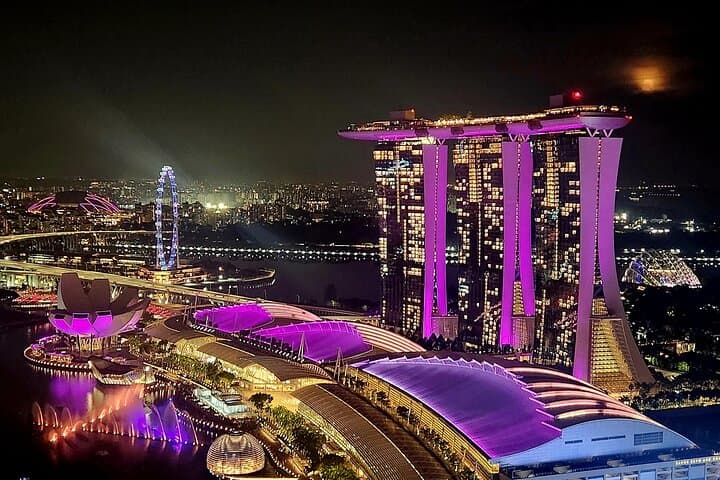
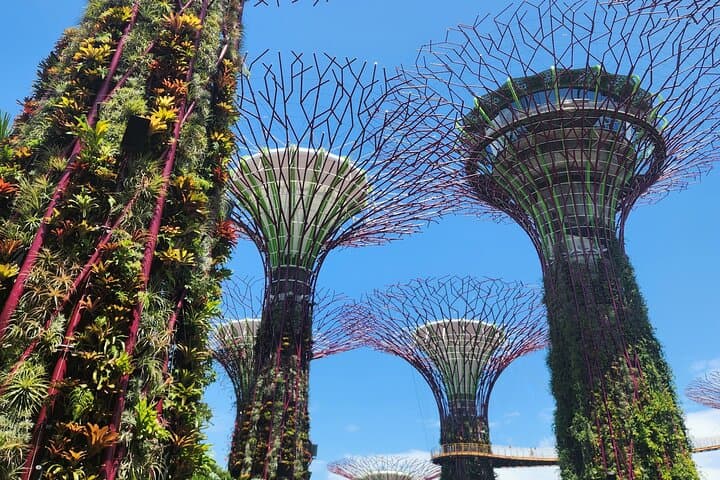
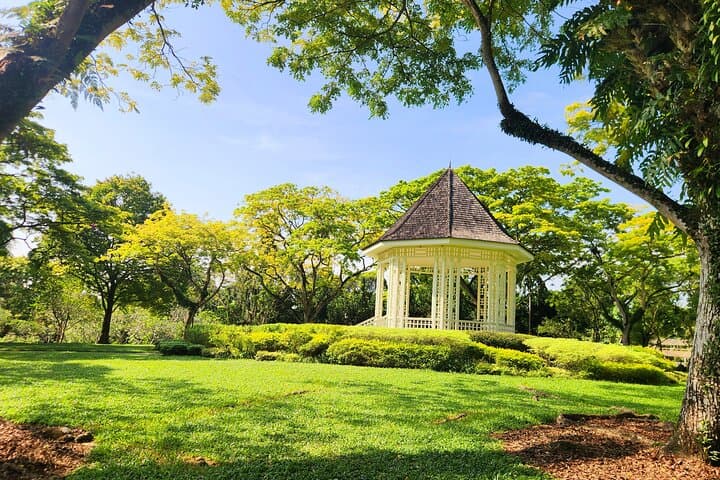
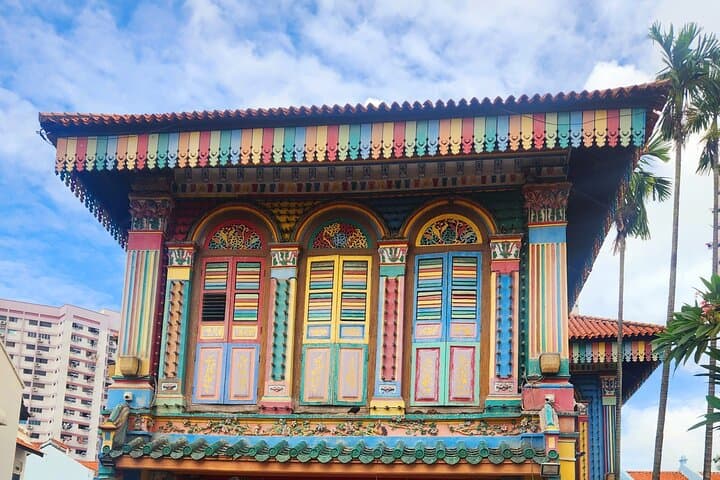
Morning light slices across the glass towers of Marina Bay, and the city exhales humidity as your guide folds a paper map and points down a side street. You move from mirrored skyscrapers into the low-slung lanes of Chinatown, past ornate shophouses where steam still rises from hawker stalls, then out to the engineered cool of a conservatory dome — all within a four-hour arc that feels both compact and expansive.
Morning light slices across the glass towers of Marina Bay, and the city exhales humidity as your guide folds a paper map and points down a side street. You move from mirrored skyscrapers into the low-slung lanes of Chinatown, past ornate shophouses where steam still rises from hawker stalls, then out to the engineered cool of a conservatory dome — all within a four-hour arc that feels both compact and expansive.
Singapore’s story is urban: a 19th-century entrepôt that grew into a global city-state, with neighborhoods shaped by colonial planning, immigrant trades, and deliberate green engineering. Geology is subtle here — granite at Bukit Timah rises inland while much of the waterfront is reclaimed land and mangrove edge reworked into promenades and parks. Cultural life is immediate: Buddhist temples, Malay mosques, Indian spice shops and hawker centers sit rationally close, each reflecting waves of settlement and the strict municipal stewardship that keeps tree-lined streets and the Botanic Gardens in near-perfect order.
Practical guidance is straightforward. Plan for heat and sudden showers: lightweight, breathable clothing and a compact rain jacket make the difference between discomfort and momentum. Use public transport to shorten gaps between sites — an EZ-Link or contactless card is handy. Bring cash for hawker food, but expect card acceptance in many spots. Opt for an early start to avoid midday humidity; evenings are better for Marina Bay photography. The route is largely accessible, but confirm specific mobility needs with your guide. Hydrate frequently, wear comfortable walking shoes, and leave room in your schedule for a recommended snack stop — a local char kway teow or kopi offers both fuel and a window into daily Singaporean life.