THE ADVENTURE COLLECTIVE® · Independent discovery and booking for outdoor travel

Move through Singapore on your terms with an audio guide that links Marina Bay’s modern skyline to Botanic Garden green lungs and historic cultural quarters. Flexible, private, and paced to you — perfect for curious travelers who prefer to linger.
Move through Singapore on your terms with an audio guide that links Marina Bay’s modern skyline to Botanic Garden green lungs and historic cultural quarters. Flexible, private, and paced to you — perfect for curious travelers who prefer to linger.
You start on a sun-warmed promenade at Marina Bay, audio cued and map open, the skyline folding into view like stages of a city’s ambitions. The narration eases you toward the Supertrees where mechanical arms and planted vines compete for attention; inside the conservatories the Cloud Forest's seven-story waterfall sighs and the Flower Dome holds dry-climate species under a glass sky.
Verified experiences and guided adventures in the surrounding area.
Operated by Uvamai Niche Tourism · Singapore, Singapore
You start on a sun-warmed promenade at Marina Bay, audio cued and map open, the skyline folding into view like stages of a city’s ambitions. The narration eases you toward the Supertrees where mechanical arms and planted vines compete for attention; inside the conservatories the Cloud Forest's seven-story waterfall sighs and the Flower Dome holds dry-climate species under a glass sky.
Singapore’s story is one of maritime trade, rapid reclamation and deliberate urban design — the bay you walk was partly created by moving earth and reshaping coastlines. The city’s geology is modest: coastal lowlands and a granite core that once guided early settlement. Cultural layers are immediate: Peranakan shophouses, Hindu gopurams, and colonial civic buildings sit within a few tram stops of each other, each audio segment unpacking rituals, architecture, and immigrant histories.
The tour blends indoor and outdoor beats: cooled conservatories, shaded walkways, humid botanic gardens that press warm air against your skin. Nature acts with intent here — mist pulls you toward elevated paths; palms shade and slow your pace. Practical rhythms matter: plan 3–9 hours depending on stops, use sheltered mornings or late afternoons to avoid peak heat, and rely on public transit to bridge distant neighborhoods.
Bring good headphones, a charged phone and a flexible route; the audio lets you linger or skip. Expect urban walking with short climbs, smooth pavements, and plenty of seating. For independent travelers who want depth without a group’s pace, this self-guided format delivers context, control and the freedom to make Singapore’s layers your own.
easy.
3–9 hours.
Suitable for most fitness levels; expect several hours of urban walking with short stair sections and flat paved paths.
The itinerary is flexible; plan for 3 hours for highlights or up to 9 hours to cover many indoor and outdoor attractions at a relaxed pace.
You need internet to access the private audio and map links initially; save or bookmark the content and consider offline screenshots for weak signal areas.
Yes—content is paced for general audiences and you can skip or linger at attractions to match mobility and interest levels.
Absolutely. Singapore’s MRT and bus network connects major attractions; use a contactless card or mobile payment for easiest access.
Singapore’s modern layout was shaped by strategic land reclamation and colonial-era planning; the bayfront and many civic landmarks were purposefully reworked during 20th-century development.
Gardens by the Bay and the Botanic Gardens prioritize native plant conservation and education; visitors are encouraged to stick to paths and avoid feeding wildlife to minimize impact.
Uvamai Niche Tourism operates guided outdoor trips and adventures with an emphasis on safety, stewardship, and memorable experiences.
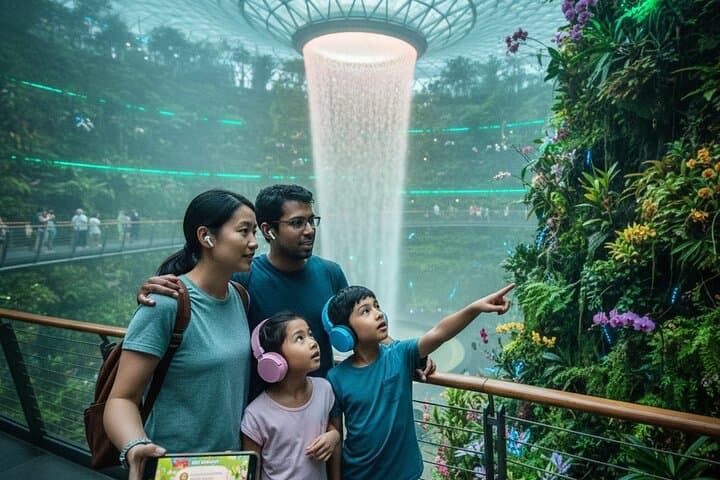
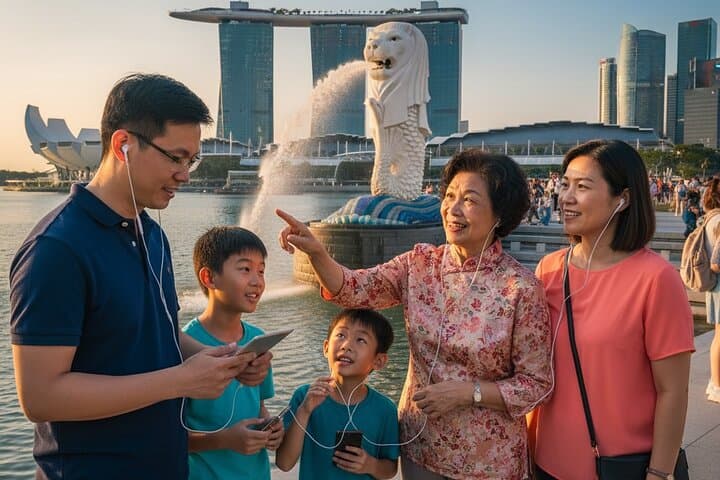


You start on a sun-warmed promenade at Marina Bay, audio cued and map open, the skyline folding into view like stages of a city’s ambitions. The narration eases you toward the Supertrees where mechanical arms and planted vines compete for attention; inside the conservatories the Cloud Forest's seven-story waterfall sighs and the Flower Dome holds dry-climate species under a glass sky.
You start on a sun-warmed promenade at Marina Bay, audio cued and map open, the skyline folding into view like stages of a city’s ambitions. The narration eases you toward the Supertrees where mechanical arms and planted vines compete for attention; inside the conservatories the Cloud Forest's seven-story waterfall sighs and the Flower Dome holds dry-climate species under a glass sky.
Singapore’s story is one of maritime trade, rapid reclamation and deliberate urban design — the bay you walk was partly created by moving earth and reshaping coastlines. The city’s geology is modest: coastal lowlands and a granite core that once guided early settlement. Cultural layers are immediate: Peranakan shophouses, Hindu gopurams, and colonial civic buildings sit within a few tram stops of each other, each audio segment unpacking rituals, architecture, and immigrant histories.
The tour blends indoor and outdoor beats: cooled conservatories, shaded walkways, humid botanic gardens that press warm air against your skin. Nature acts with intent here — mist pulls you toward elevated paths; palms shade and slow your pace. Practical rhythms matter: plan 3–9 hours depending on stops, use sheltered mornings or late afternoons to avoid peak heat, and rely on public transit to bridge distant neighborhoods.
Bring good headphones, a charged phone and a flexible route; the audio lets you linger or skip. Expect urban walking with short climbs, smooth pavements, and plenty of seating. For independent travelers who want depth without a group’s pace, this self-guided format delivers context, control and the freedom to make Singapore’s layers your own.