THE ADVENTURE COLLECTIVE® · Independent discovery and booking for outdoor travel

Step into the shadows of a Singapore rainforest on a guided night walk where giant forest ants, colugos, and secretive deer appear under torchlight. This 2–3 hour naturalist-led trail balances close wildlife encounters with practical guidance for safe, low-impact exploration.
Step into the shadows of a Singapore rainforest on a guided night walk where giant forest ants, colugos, and secretive deer appear under torchlight. This 2–3 hour naturalist-led trail balances close wildlife encounters with practical guidance for safe, low-impact exploration.
The forest waits in layers of shadow; torch beams slice the black and a chorus of insects answers with a pulse. On this night walk through a Singapore rainforest reserve, the trail narrows under a canopy that leans close, and the scent of damp earth pulls you forward. Giant forest ants thread along trunks like slow-moving rivers, while distant calls and leaf-scrapes hint at colugos gliding between upper branches.
Verified experiences and guided adventures in the surrounding area.
Operated by The Untamed Paths · Singapore, Singapore
The forest waits in layers of shadow; torch beams slice the black and a chorus of insects answers with a pulse. On this night walk through a Singapore rainforest reserve, the trail narrows under a canopy that leans close, and the scent of damp earth pulls you forward. Giant forest ants thread along trunks like slow-moving rivers, while distant calls and leaf-scrapes hint at colugos gliding between upper branches.
Singapore's remaining lowland rainforests are fragments of a larger landscape shaped by ancient sea-level changes and the island's granitic core. Colonial-era reservoirs and early conservation efforts in the 20th century helped preserve these pockets of primary and secondary forest; today they shelter species rarely seen in urban pockets—chevrotain (lesser mouse deer) among them—and a surprising diversity of invertebrates and amphibians.
Expect close-up natural history: learn ant colony behavior, spot amphibians on leaf litter, and watch for the silent arc of a colugo. Guides emphasize nocturnal ecology—how light and noise change animal behavior—and the cultural value Singapore places on urban-nature coexistence.
Practical guidance: the route is well-maintained and rated easy, but visibility is limited—use a headlamp and wear grippy, closed-toe shoes. Hydrate before you start; Singapore humidity pushes exertion levels. Avoid flash photography and don’t touch wildlife. The walk runs about 2–3 hours, often starting after dusk; organizers supply handheld torches but bring a reliable headlamp and insect repellent. Move quietly, let your guide lead, and you’ll experience an intimate, alert forest where even small creatures take on outsized presence.
easy.
2–3 hours.
Suitable for most fitness levels; expect steady walking on even ground with brief stops for observation
Children may join if supervised; check operator age policies at booking—physically it’s easy but darkness can be unsettling for young kids.
Sightings are possible but not guaranteed; guides increase odds by choosing quieter paths and using low-impact observation techniques.
Organizers typically provide handheld torches, but a personal headlamp is recommended for steadier, hands-free lighting.
Tours are guided by naturalists—confirm language needs and mobility accommodations with the operator when booking.
Singapore's protected forest fragments surround colonial-era reservoirs and were formalized into reserves in the 20th century to safeguard water catchments and biodiversity.
Guides promote low-impact practices: stay on trails, avoid flash photography, and carry out any waste to minimize disturbance to nocturnal species.
The Untamed Paths operates guided outdoor trips and adventures with an emphasis on safety, stewardship, and memorable experiences.
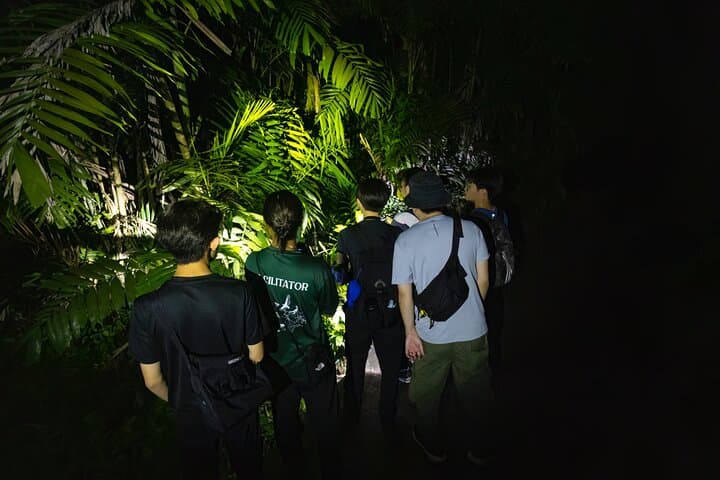
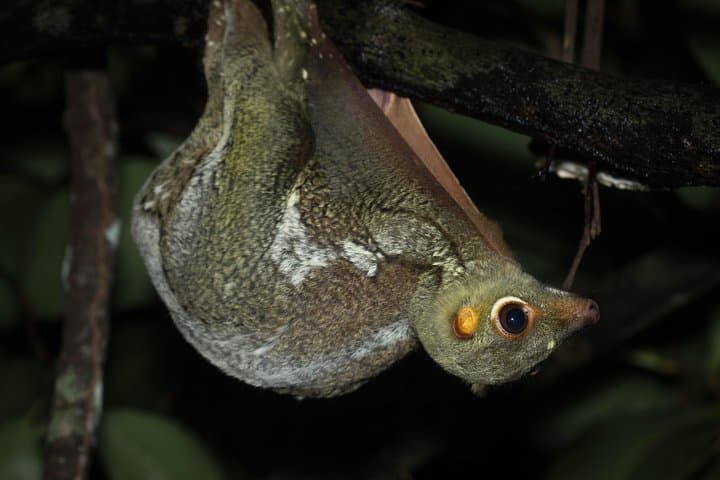
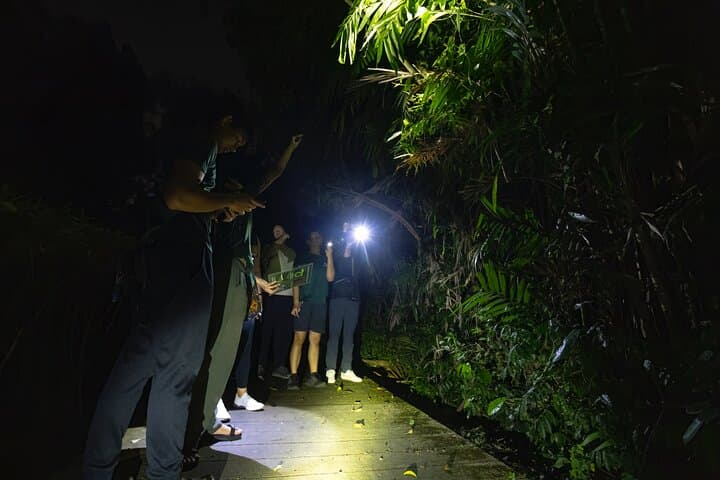
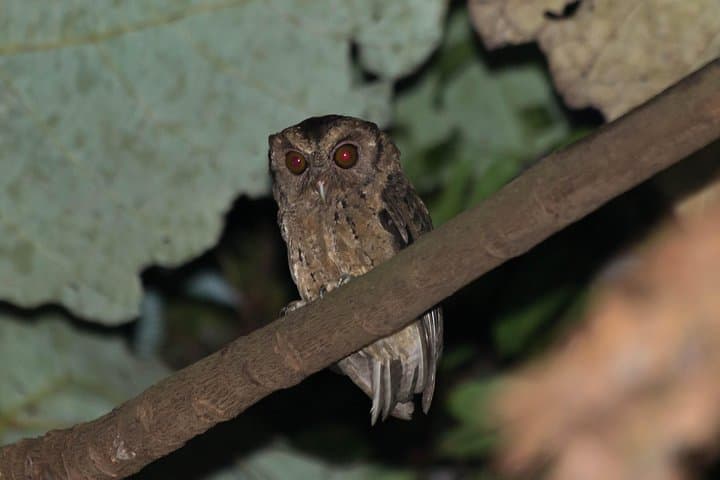
The forest waits in layers of shadow; torch beams slice the black and a chorus of insects answers with a pulse. On this night walk through a Singapore rainforest reserve, the trail narrows under a canopy that leans close, and the scent of damp earth pulls you forward. Giant forest ants thread along trunks like slow-moving rivers, while distant calls and leaf-scrapes hint at colugos gliding between upper branches.
The forest waits in layers of shadow; torch beams slice the black and a chorus of insects answers with a pulse. On this night walk through a Singapore rainforest reserve, the trail narrows under a canopy that leans close, and the scent of damp earth pulls you forward. Giant forest ants thread along trunks like slow-moving rivers, while distant calls and leaf-scrapes hint at colugos gliding between upper branches.
Singapore's remaining lowland rainforests are fragments of a larger landscape shaped by ancient sea-level changes and the island's granitic core. Colonial-era reservoirs and early conservation efforts in the 20th century helped preserve these pockets of primary and secondary forest; today they shelter species rarely seen in urban pockets—chevrotain (lesser mouse deer) among them—and a surprising diversity of invertebrates and amphibians.
Expect close-up natural history: learn ant colony behavior, spot amphibians on leaf litter, and watch for the silent arc of a colugo. Guides emphasize nocturnal ecology—how light and noise change animal behavior—and the cultural value Singapore places on urban-nature coexistence.
Practical guidance: the route is well-maintained and rated easy, but visibility is limited—use a headlamp and wear grippy, closed-toe shoes. Hydrate before you start; Singapore humidity pushes exertion levels. Avoid flash photography and don’t touch wildlife. The walk runs about 2–3 hours, often starting after dusk; organizers supply handheld torches but bring a reliable headlamp and insect repellent. Move quietly, let your guide lead, and you’ll experience an intimate, alert forest where even small creatures take on outsized presence.