THE ADVENTURE COLLECTIVE® · Independent discovery and booking for outdoor travel

A focused visit to Singapore’s National Orchid Garden offers concentrated displays of hundreds of orchid species and hybrids. This practical guide covers what you’ll see, how long to plan, and the tips to get the most from a 60–120 minute visit.
A focused visit to Singapore’s National Orchid Garden offers concentrated displays of hundreds of orchid species and hybrids. This practical guide covers what you’ll see, how long to plan, and the tips to get the most from a 60–120 minute visit.
You step up the hill in the Botanic Gardens and the air shifts—moist, perfumed, alive with orchids that seem to lean toward visitors like curious hosts. Pathways curve through layered displays: shaded glasshouses, themed beds, and terraces that lift you above the city’s heat.
Verified experiences and guided adventures in the surrounding area.
Operated by GlobalTix Pte Ltd · Singapore, Singapore
You step up the hill in the Botanic Gardens and the air shifts—moist, perfumed, alive with orchids that seem to lean toward visitors like curious hosts. Pathways curve through layered displays: shaded glasshouses, themed beds, and terraces that lift you above the city’s heat.
The National Orchid Garden occupies the highest point of the Singapore Botanic Gardens, a living collection grown from a breeding program that began in 1928. The garden’s displays trace decades of horticulture: classic hybrids, wild species, and the award-winning Vanda Miss Joaquim, Singapore’s national orchid.
Geologically it’s simple—tropical lowland soil and man-made terraces—but the microclimates created by trees and shade structures make distinct pockets for cool-loving cymbidiums and sun-worshipping vandas. Culturally, orchids are woven into Singapore’s identity: breeding expertise, diplomatic gifts, and annual shows draw both botanists and casual visitors.
Practical guidance: allow 60–120 minutes to move slowly between the main exhibits, pause at Burkill Hall and the terraced lawns, and visit early morning or late afternoon when humidity eases and pollinators are most active. Wear comfortable walking shoes for slick paths after rain; bring a refillable water bottle and sun protection—shade is plentiful but not continuous.
Tickets are mobile-friendly and admission is straightforward, but note that photography and plant conservation rules are enforced—don’t pick or touch specimens. For gardeners and photographers the National Orchid Garden offers rich study and reliable displays; for anyone seeking a quiet natural break in the city it offers concentrated color, scent, and the steady patience of cultivated plants.
easy.
1–2 hours.
Suitable for most fitness levels; expect gentle walking on paved and gravel paths
Plan 60–120 minutes to see the main displays at a relaxed pace; photographers may want additional time.
Yes—mobile or paper tickets are accepted; the official ticket will be sent within 24 hours of booking.
The site is wheelchair- and stroller-accessible with paved paths, though some terraces and internal displays have gentle ramps.
Photography for personal use is allowed, but touching or removing plant material is prohibited to protect specimens.
The Gardens’ orchid breeding program began in 1928; the National Orchid Garden showcases results of decades of hybridization and conservation.
The garden participates in ex situ conservation and breeding programmes; visitors are asked to follow rules that protect rare specimens and their habitats.
GlobalTix Pte Ltd operates guided outdoor trips and adventures with an emphasis on safety, stewardship, and memorable experiences.
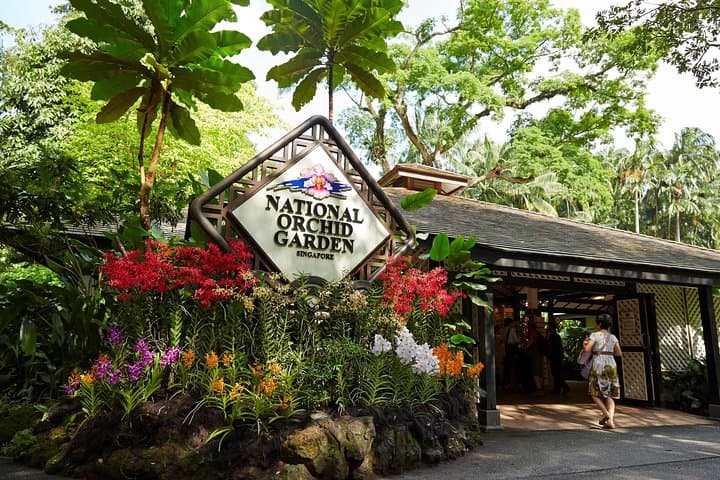
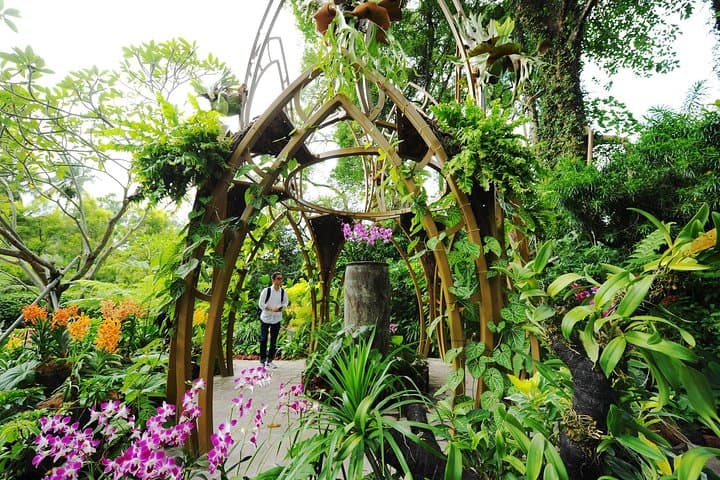
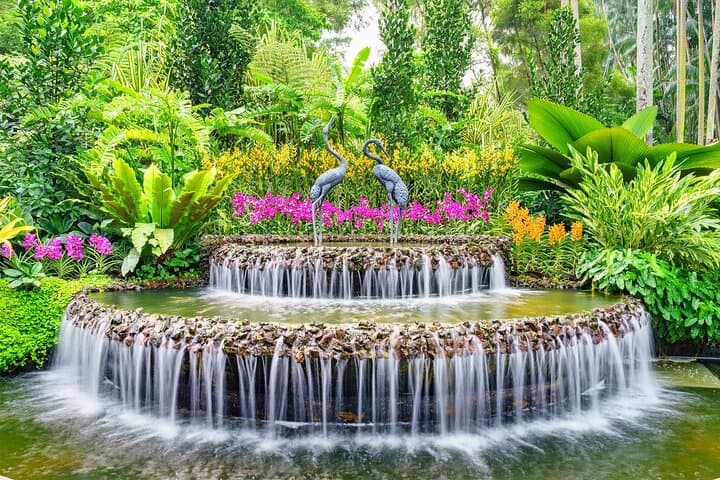
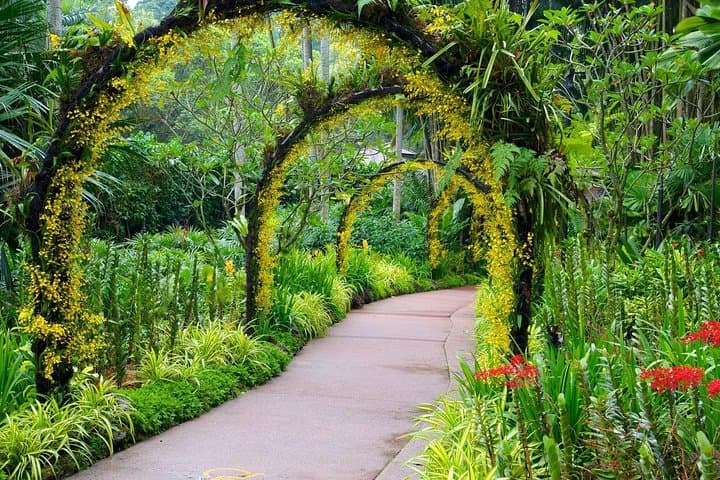
You step up the hill in the Botanic Gardens and the air shifts—moist, perfumed, alive with orchids that seem to lean toward visitors like curious hosts. Pathways curve through layered displays: shaded glasshouses, themed beds, and terraces that lift you above the city’s heat.
You step up the hill in the Botanic Gardens and the air shifts—moist, perfumed, alive with orchids that seem to lean toward visitors like curious hosts. Pathways curve through layered displays: shaded glasshouses, themed beds, and terraces that lift you above the city’s heat.
The National Orchid Garden occupies the highest point of the Singapore Botanic Gardens, a living collection grown from a breeding program that began in 1928. The garden’s displays trace decades of horticulture: classic hybrids, wild species, and the award-winning Vanda Miss Joaquim, Singapore’s national orchid.
Geologically it’s simple—tropical lowland soil and man-made terraces—but the microclimates created by trees and shade structures make distinct pockets for cool-loving cymbidiums and sun-worshipping vandas. Culturally, orchids are woven into Singapore’s identity: breeding expertise, diplomatic gifts, and annual shows draw both botanists and casual visitors.
Practical guidance: allow 60–120 minutes to move slowly between the main exhibits, pause at Burkill Hall and the terraced lawns, and visit early morning or late afternoon when humidity eases and pollinators are most active. Wear comfortable walking shoes for slick paths after rain; bring a refillable water bottle and sun protection—shade is plentiful but not continuous.
Tickets are mobile-friendly and admission is straightforward, but note that photography and plant conservation rules are enforced—don’t pick or touch specimens. For gardeners and photographers the National Orchid Garden offers rich study and reliable displays; for anyone seeking a quiet natural break in the city it offers concentrated color, scent, and the steady patience of cultivated plants.