THE ADVENTURE COLLECTIVE® · Independent discovery and booking for outdoor travel

Sample Singapore’s UNESCO-recognized hawker culture on a private four-hour walking tour through Chinatown. Taste curry noodles, popiah and chicken rice while guides trace the neighborhood’s immigrant history and food evolution.
Sample Singapore’s UNESCO-recognized hawker culture on a private four-hour walking tour through Chinatown. Taste curry noodles, popiah and chicken rice while guides trace the neighborhood’s immigrant history and food evolution.
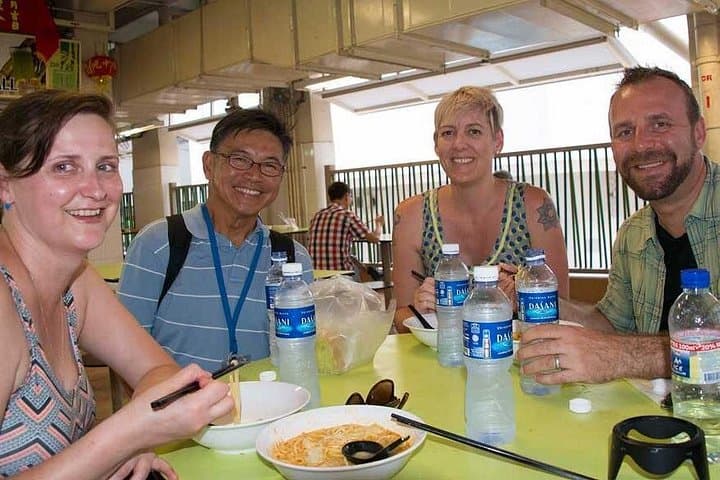
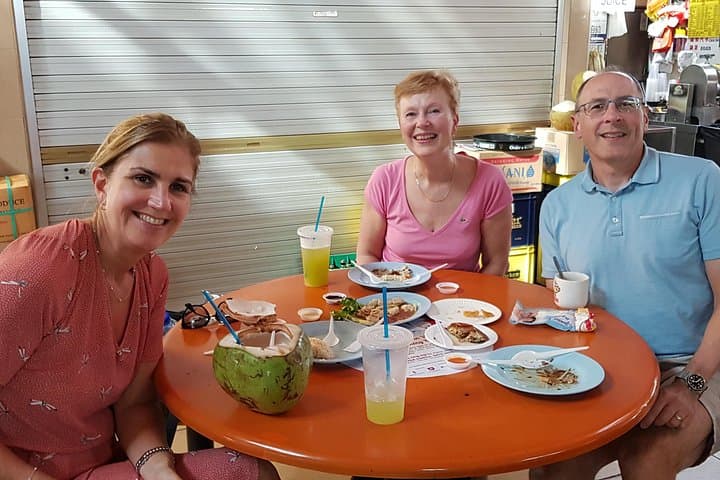
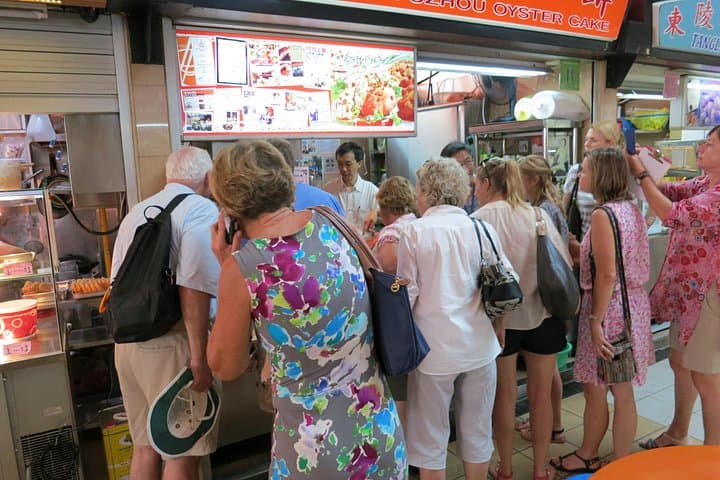
The street smells of toasted sesame and simmering broth, the air warm and humid as you step from a shaded shophouse into a humming lane of stalls. On this private Chinatown food tour, local guides lead small groups through alleyways where curries bubble, rice rolls glide from steamers, and chiffon cake vendors slice sponge so light it almost floats.
Verified experiences and guided adventures in the surrounding area.
Operated by HR Assist · Singapore, Singapore
The street smells of toasted sesame and simmering broth, the air warm and humid as you step from a shaded shophouse into a humming lane of stalls. On this private Chinatown food tour, local guides lead small groups through alleyways where curries bubble, rice rolls glide from steamers, and chiffon cake vendors slice sponge so light it almost floats.
Chinatown grew around 19th-century immigrant enclaves that clustered near the docks; the neighborhood’s low-rise shophouses and narrow streets still map the rhythms of early trade and community life. Geology here is urban—reclaimed shores and paved canals—yet the culture is tactile: hawkers, kopitiams (coffee shops), and temple courtyards that frame daily rituals.
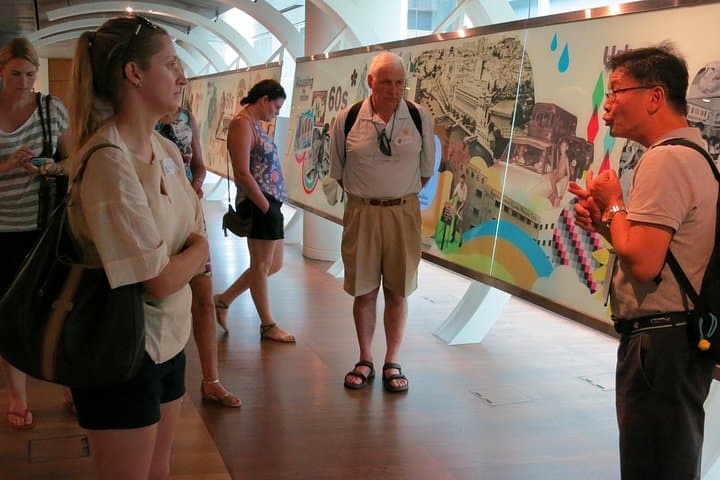
Expect stops at a city gallery to trace Singapore’s rapid development, a wet market where vegetables are stacked and popiah wrappers are rolled, and hawker counters serving curry noodles, chicken rice, and local cakes. Guides explain how Singapore’s hawker culture won UNESCO recognition and why techniques and recipes passed between generations matter.
Practicalities: the walk spans roughly 2–3 km over mostly flat sidewalks with frequent seating breaks and food stops. Wear comfortable shoes, bring a reusable bottle, and come with an appetite—the tour includes multiple tastings and a light lunch. The pace is gentle but active: plan for four hours, dress for humidity, and flag dietary needs when booking. This is a walkable, sensory way to learn Singapore’s food history while tasting the dishes that shaped it.
easy.
4 hours.
Suitable for most fitness levels; expect 2–3 km of easy walking with frequent stops
Yes—Chinatown’s main sidewalks and most stops are wheelchair accessible; advise your booking agent so the guide can plan the route.
Yes—guides can point you to stalls with vegetarian or halal offerings if informed before the tour starts.
This private tour runs for approximately four hours; start times vary—confirm when booking and arrive 10 minutes early.
Tastings and a light lunch are included, but you may want cash for extra treats or souvenirs at market stalls.
Chinatown formed in the 19th century as a Chinese immigrant quarter near the docks; its hawker culture evolved from communal street food traditions and became a national icon.
Support small vendors by buying responsibly, avoid single-use plastics where possible, and follow local waste rules to help preserve Chinatown’s streetscape.
HR Assist operates guided outdoor trips and adventures with an emphasis on safety, stewardship, and memorable experiences.
The street smells of toasted sesame and simmering broth, the air warm and humid as you step from a shaded shophouse into a humming lane of stalls. On this private Chinatown food tour, local guides lead small groups through alleyways where curries bubble, rice rolls glide from steamers, and chiffon cake vendors slice sponge so light it almost floats.
The street smells of toasted sesame and simmering broth, the air warm and humid as you step from a shaded shophouse into a humming lane of stalls. On this private Chinatown food tour, local guides lead small groups through alleyways where curries bubble, rice rolls glide from steamers, and chiffon cake vendors slice sponge so light it almost floats.
Chinatown grew around 19th-century immigrant enclaves that clustered near the docks; the neighborhood’s low-rise shophouses and narrow streets still map the rhythms of early trade and community life. Geology here is urban—reclaimed shores and paved canals—yet the culture is tactile: hawkers, kopitiams (coffee shops), and temple courtyards that frame daily rituals.
Expect stops at a city gallery to trace Singapore’s rapid development, a wet market where vegetables are stacked and popiah wrappers are rolled, and hawker counters serving curry noodles, chicken rice, and local cakes. Guides explain how Singapore’s hawker culture won UNESCO recognition and why techniques and recipes passed between generations matter.
Practicalities: the walk spans roughly 2–3 km over mostly flat sidewalks with frequent seating breaks and food stops. Wear comfortable shoes, bring a reusable bottle, and come with an appetite—the tour includes multiple tastings and a light lunch. The pace is gentle but active: plan for four hours, dress for humidity, and flag dietary needs when booking. This is a walkable, sensory way to learn Singapore’s food history while tasting the dishes that shaped it.