THE ADVENTURE COLLECTIVE® · Independent discovery and booking for outdoor travel

Taste five classic Chinatown dishes on a three-hour guided walking tour that ends at a Michelin hawker stall. Expect charcoal-grilled bakkwa, wok-fired noodles, soya sauce chicken rice and a local dessert, plus neighborhood stories and practical tips.
Taste five classic Chinatown dishes on a three-hour guided walking tour that ends at a Michelin hawker stall. Expect charcoal-grilled bakkwa, wok-fired noodles, soya sauce chicken rice and a local dessert, plus neighborhood stories and practical tips.
By dusk Chinatown steams and hums — neon signs flicker above wet flagstones, and the air carries charcoal, soy, and coconut milk. You enter a corridor of stalls where a single family recipe grills bakkwa over coals, smoke curling like a small, hungry sea. The tour moves at an unhurried city pace: taste, talk, walk.
Verified experiences and guided adventures in the surrounding area.
Operated by Discova Southeast Asia · Singapore, Singapore
By dusk Chinatown steams and hums — neon signs flicker above wet flagstones, and the air carries charcoal, soy, and coconut milk. You enter a corridor of stalls where a single family recipe grills bakkwa over coals, smoke curling like a small, hungry sea. The tour moves at an unhurried city pace: taste, talk, walk.
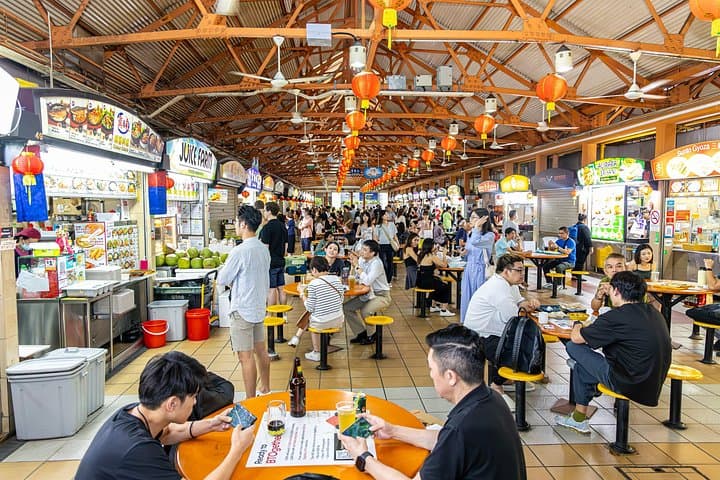
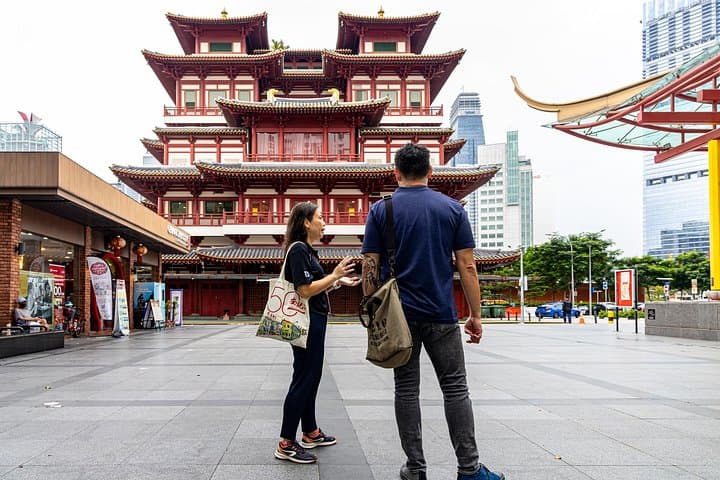
Chinatown grew from 19th-century immigrant neighborhoods tied to Singapore's port trade; its streets still show clan houses, shophouse façades, and temples that trace those migrations. Geologically this is reclaimed coastal plain — flat streets abutting the Singapore River — so expect easy walking rather than steep trails. Culturally the area is a crosscurrent where Hokkien and Cantonese traditions meet Malay and Peranakan flavors; hawker culture is central, and modern recognition includes Singapore’s first street-level Michelin hawker stalls.
You’ll sample five dishes spread across three stops — bakkwa, a wok-fried noodle or carrot cake, the famous soya sauce chicken rice at a Michelin-listed stall, and a dessert from a long-running confectioner. The guide explains ingredients, sourcing, and why peanuts and soy anchor so many local plates.
Practical notes: wear comfortable shoes for 2–3 miles of walking on mixed pavement, bring a small umbrella during monsoon months, and carry cash for ancillary purchases. Stay hydrated in humid evenings and arrive hungry; the portions are tasting-size but rich. The tour ends at Chinatown MRT Station for an easy return to central Singapore.
easy.
3 hours.
Suitable for most fitness levels; involves 1.5–3 miles of mostly flat walking and short standing tastings
Yes if notified in advance; the guide can substitute several tasting items, but confirm when booking so arrangements can be made.
It begins in Chinatown in the late afternoon and finishes at Chinatown MRT Station for easy access to central Singapore.
The route and stalls are generally wheelchair accessible, but notify the operator at booking to ensure accommodations for specific needs.
Expect roughly 1.5–3 miles of flat walking over three hours with frequent stops for tastings and explanations.
Chinatown traces to 19th-century Chinese migrants who clustered near Singapore’s port; the area’s clan associations, temples, and shophouses reflect that trade-era urban fabric.
Hawker centres are part of Singapore’s cultural heritage conservation; operators increasingly push for reduced single-use plastics and responsible sourcing of ingredients.
Discova Southeast Asia operates guided outdoor trips and adventures with an emphasis on safety, stewardship, and memorable experiences.
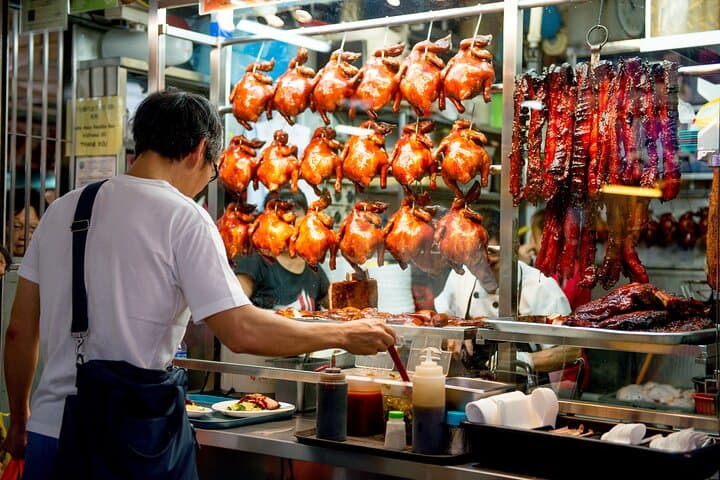
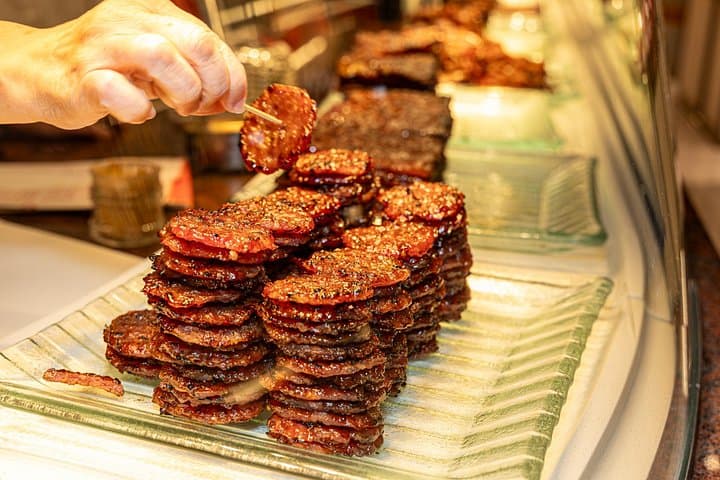
By dusk Chinatown steams and hums — neon signs flicker above wet flagstones, and the air carries charcoal, soy, and coconut milk. You enter a corridor of stalls where a single family recipe grills bakkwa over coals, smoke curling like a small, hungry sea. The tour moves at an unhurried city pace: taste, talk, walk.
By dusk Chinatown steams and hums — neon signs flicker above wet flagstones, and the air carries charcoal, soy, and coconut milk. You enter a corridor of stalls where a single family recipe grills bakkwa over coals, smoke curling like a small, hungry sea. The tour moves at an unhurried city pace: taste, talk, walk.
Chinatown grew from 19th-century immigrant neighborhoods tied to Singapore's port trade; its streets still show clan houses, shophouse façades, and temples that trace those migrations. Geologically this is reclaimed coastal plain — flat streets abutting the Singapore River — so expect easy walking rather than steep trails. Culturally the area is a crosscurrent where Hokkien and Cantonese traditions meet Malay and Peranakan flavors; hawker culture is central, and modern recognition includes Singapore’s first street-level Michelin hawker stalls.
You’ll sample five dishes spread across three stops — bakkwa, a wok-fried noodle or carrot cake, the famous soya sauce chicken rice at a Michelin-listed stall, and a dessert from a long-running confectioner. The guide explains ingredients, sourcing, and why peanuts and soy anchor so many local plates.
Practical notes: wear comfortable shoes for 2–3 miles of walking on mixed pavement, bring a small umbrella during monsoon months, and carry cash for ancillary purchases. Stay hydrated in humid evenings and arrive hungry; the portions are tasting-size but rich. The tour ends at Chinatown MRT Station for an easy return to central Singapore.