THE ADVENTURE COLLECTIVE® · Independent discovery and booking for outdoor travel

Head into Wadi Khroume for a four-hour desert evening of sunset colors, Bedouin barbecue, folkloric shows and guided stargazing through telescopes. This accessible outing mixes culture, light hiking on sand, and clear night-sky viewing away from city glare.
Head into Wadi Khroume for a four-hour desert evening of sunset colors, Bedouin barbecue, folkloric shows and guided stargazing through telescopes. This accessible outing mixes culture, light hiking on sand, and clear night-sky viewing away from city glare.
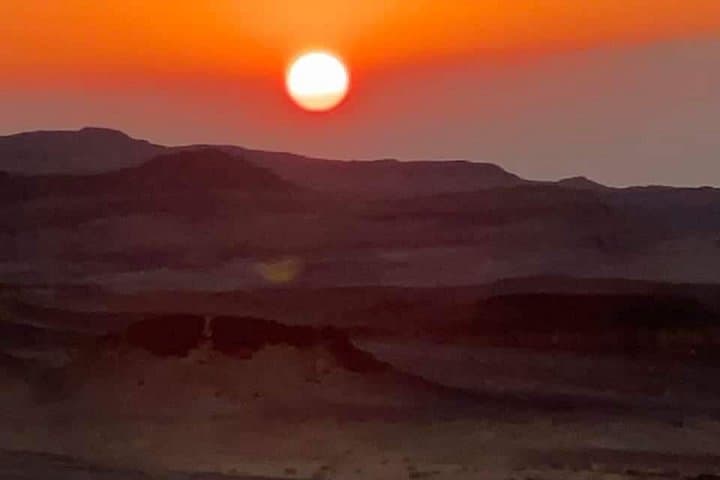
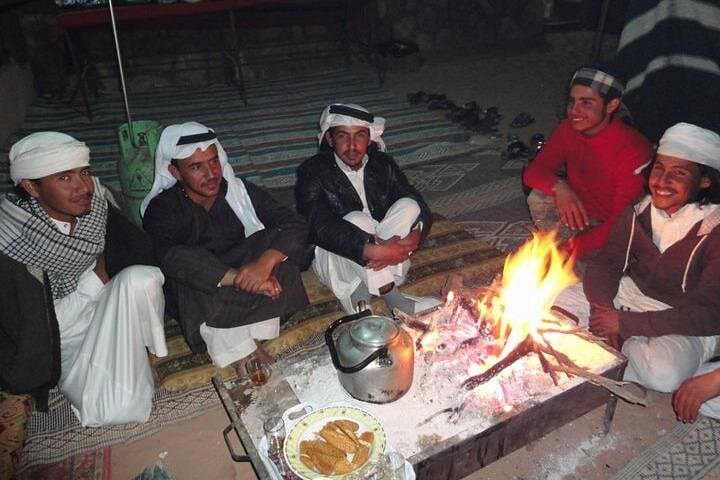
The van drops you at the lip of Wadi Khroume as the sky tilts toward orange. Sand cools underfoot and the silhouette of low Sinai ridges carves the horizon; a Bedouin camp flame spits sparks while camels chew quietly nearby. As the sun slips, musicians tune drums and the desert brightens into a room of stars.
Verified experiences and guided adventures in the surrounding area.
Operated by High Quality Tours Egypt · Sharm El-Sheikh, South Sinai
The van drops you at the lip of Wadi Khroume as the sky tilts toward orange. Sand cools underfoot and the silhouette of low Sinai ridges carves the horizon; a Bedouin camp flame spits sparks while camels chew quietly nearby. As the sun slips, musicians tune drums and the desert brightens into a room of stars.
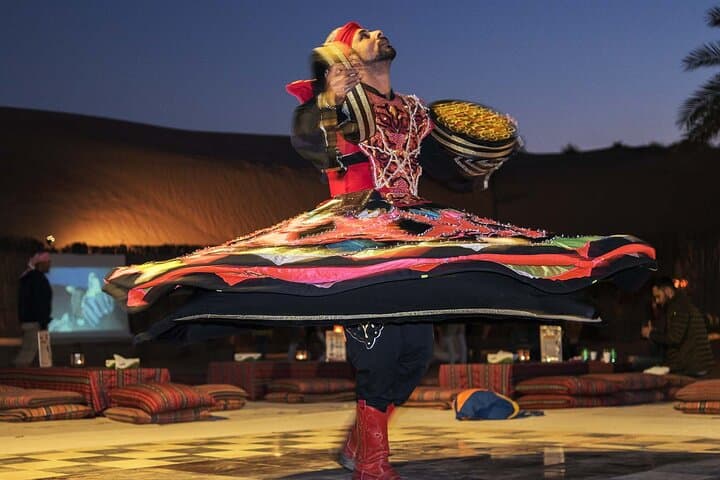
This stretch of the southern Sinai sits on ancient tectonic edges where the Red Sea rift meets arid plateaus—rock faces bear millennia of weathering and sparse acacia scrubs. Bedouin communities have guided caravans across these valleys for centuries; tonight’s barbecue and folkloric shows continue that tradition of hospitality, blending simple cuisine with performative arts like Tannoura spinning and fire displays.
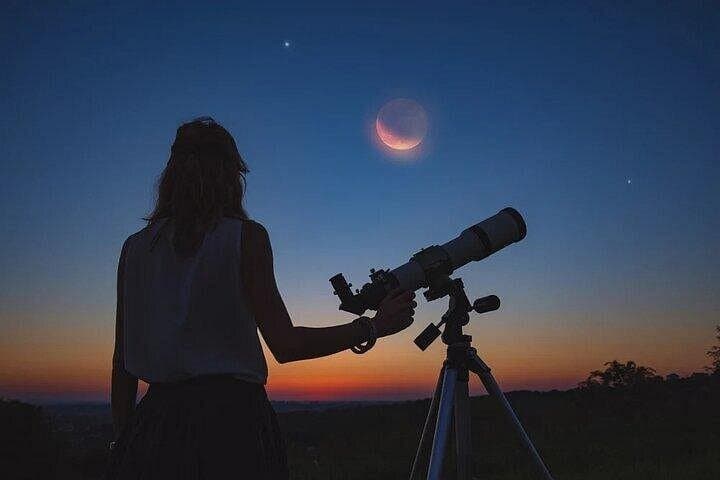
After dinner, an astronomy guide leads small groups to telescopes. Away from Sharm El-Sheikh’s lights, the Milky Way and several planets are plainly visible; expect crisp views of lunar craters, Jupiter’s cloud bands when present, and bright constellations used for navigation across deserts.
Practical guidance: plan on roughly four hours door-to-door, with hotel pickup and return by air-conditioned van. Wear closed-toe shoes for walking on uneven sand, bring a light layer for the cool night, and carry a bottle of water—refills are provided. Respect local customs: modest dress is appreciated, tipping is customary for performers and guides, and flash photography during shows or at telescopes can disturb performers and dark-adapted eyes. If you want photos, arrive early to catch sunset light and ask guides for staging tips.
easy.
4 hours.
Suitable for most fitness levels; involves short walks on sand and mounting a camel for brief rides.
The tour runs about four hours total, typically with pickup around 6:00 PM and return late evening depending on sunset times.
Short camel rides are included; they’re suitable for most children but infants should sit on laps and handlers provide basic safety guidance.
Yes—on clear nights guides aim telescopes at visible planets, the Moon, and bright deep-sky objects depending on seasonal visibility and weather.
Guides can accommodate common dietary needs (vegetarian, vegan, gluten-free) if notified in advance when booking.
The Sinai’s valleys have been trade and pilgrimage corridors for millennia, and many Bedouin groups in the region maintain traditional music and hospitality practices.
Stay on designated paths around camps and avoid collecting pottery or geology; local operators often support waste pickup and water-conservation practices to limit impact.
High Quality Tours Egypt operates guided outdoor trips and adventures with an emphasis on safety, stewardship, and memorable experiences.
The van drops you at the lip of Wadi Khroume as the sky tilts toward orange. Sand cools underfoot and the silhouette of low Sinai ridges carves the horizon; a Bedouin camp flame spits sparks while camels chew quietly nearby. As the sun slips, musicians tune drums and the desert brightens into a room of stars.
The van drops you at the lip of Wadi Khroume as the sky tilts toward orange. Sand cools underfoot and the silhouette of low Sinai ridges carves the horizon; a Bedouin camp flame spits sparks while camels chew quietly nearby. As the sun slips, musicians tune drums and the desert brightens into a room of stars.
This stretch of the southern Sinai sits on ancient tectonic edges where the Red Sea rift meets arid plateaus—rock faces bear millennia of weathering and sparse acacia scrubs. Bedouin communities have guided caravans across these valleys for centuries; tonight’s barbecue and folkloric shows continue that tradition of hospitality, blending simple cuisine with performative arts like Tannoura spinning and fire displays.
After dinner, an astronomy guide leads small groups to telescopes. Away from Sharm El-Sheikh’s lights, the Milky Way and several planets are plainly visible; expect crisp views of lunar craters, Jupiter’s cloud bands when present, and bright constellations used for navigation across deserts.
Practical guidance: plan on roughly four hours door-to-door, with hotel pickup and return by air-conditioned van. Wear closed-toe shoes for walking on uneven sand, bring a light layer for the cool night, and carry a bottle of water—refills are provided. Respect local customs: modest dress is appreciated, tipping is customary for performers and guides, and flash photography during shows or at telescopes can disturb performers and dark-adapted eyes. If you want photos, arrive early to catch sunset light and ask guides for staging tips.