THE ADVENTURE COLLECTIVE® · Independent discovery and booking for outdoor travel

Ride through Sinai’s dry wadis and small oases on a three-day camel safari from Dahab. Expect long, steady camel legs, Bedouin hospitality, garden camps and a hands-on look at desert geology and culture.
Ride through Sinai’s dry wadis and small oases on a three-day camel safari from Dahab. Expect long, steady camel legs, Bedouin hospitality, garden camps and a hands-on look at desert geology and culture.
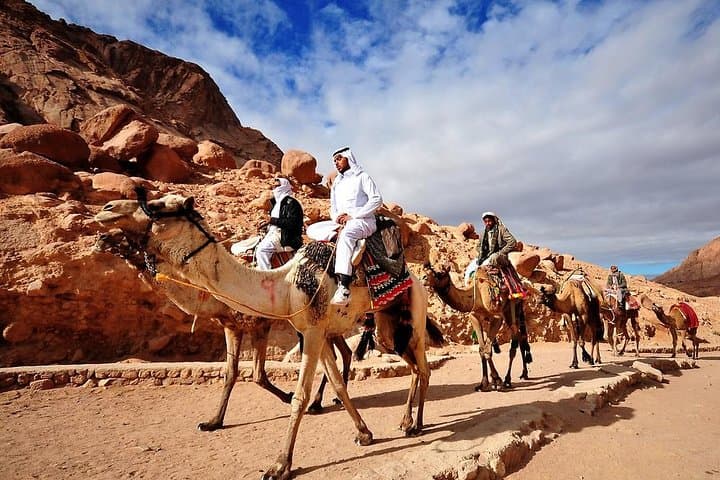
The caravan leaves Dahab before noon and the sunlight slants across low ridges, turning quartz and sandstone into pale gold. Camels step with patient rhythm; wind scrapes loose sand into new shapes while the group moves from Wadi Ghazala toward the small garden at Wadi Milahis, sleeping beneath a sky that refuses to go unnoticed.
Verified experiences and guided adventures in the surrounding area.
Operated by Dahab Safari Day Tours · Dahab, South Sinai
The caravan leaves Dahab before noon and the sunlight slants across low ridges, turning quartz and sandstone into pale gold. Camels step with patient rhythm; wind scrapes loose sand into new shapes while the group moves from Wadi Ghazala toward the small garden at Wadi Milahis, sleeping beneath a sky that refuses to go unnoticed.
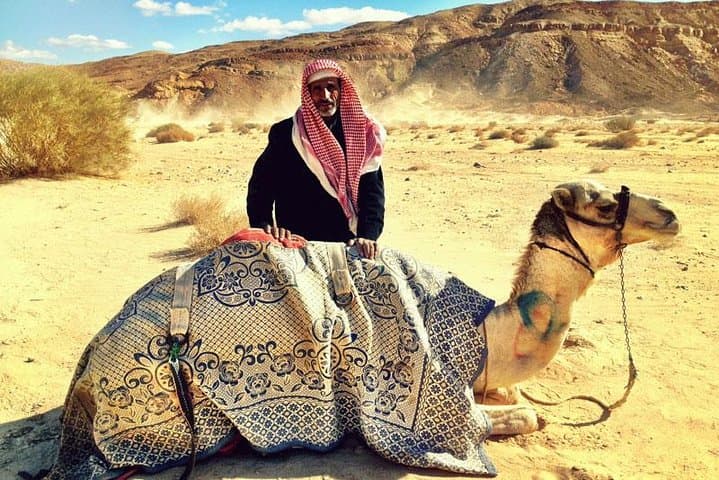
This route threads coastal Sinai’s dry riverbeds and pocket oases. Geologically the area is young uplifted sedimentary rock sliced by flash-flood channels; you’ll cross broad wadi floors, scramble short rocky sections and pass mushroom-shaped weathered stones that mark years of wind and rain. The Bedouin who guide these treks keep local knowledge—water points, shade trees, and safe campsites—handed down across generations that once moved camels on long trade routes.
Expect simple, comfortable nights: a garden camp in Wadi Milahis and an oasis stay at Ain Khudra with traditional meals and tea. Days are measured by camel pace—gentle but persistent—so bring sun protection, layers for cool nights, and a small day pack for essentials.
Practical tips: ride time each day is several hours with breaks; hydration is critical in Sinai’s dry climate; sturdy closed-toe shoes help on rocky approaches. Respect Bedouin customs—ask before photographing people or private camps—and leave no trace. For planners: ask about pickup logistics from Dahab hotels, confirm camel-rest rotation for riders, and note that medical facilities are in town, not in the wadis. The route gives a raw, slow-motion view of Sinai where landscape and culture meet on camelback.
moderate.
3 days (approx. 72 hours).
Suitable for travelers with basic fitness who can sit for several hours and walk short rocky sections; not strenuous but requires endurance for multi-day travel.
Camel riding is steady rather than intense—expect several hours in the saddle each day with breaks; basic mobility and no severe back problems are recommended.
Breakfasts and traditional Bedouin meals are included and guides supply drinking water, but bring a personal bottle for day use and electrolytes for hot days.
Accommodations are simple: garden or oasis camps with basic bedding; camping is communal and geared toward authenticity rather than luxury.
Families with older children who can tolerate long rides typically do well; check with the operator about age minimums and availability of infant seats.
The Sinai routes were used by Bedouin communities and camel caravans; local guides preserve oral knowledge of water, grazing and safe passages.
The desert ecosystem is fragile—stick to established routes, avoid collecting plants or stones, and pack out all waste to protect limited water resources.
Dahab Safari Day Tours operates guided outdoor trips and adventures with an emphasis on safety, stewardship, and memorable experiences.


The caravan leaves Dahab before noon and the sunlight slants across low ridges, turning quartz and sandstone into pale gold. Camels step with patient rhythm; wind scrapes loose sand into new shapes while the group moves from Wadi Ghazala toward the small garden at Wadi Milahis, sleeping beneath a sky that refuses to go unnoticed.
The caravan leaves Dahab before noon and the sunlight slants across low ridges, turning quartz and sandstone into pale gold. Camels step with patient rhythm; wind scrapes loose sand into new shapes while the group moves from Wadi Ghazala toward the small garden at Wadi Milahis, sleeping beneath a sky that refuses to go unnoticed.
This route threads coastal Sinai’s dry riverbeds and pocket oases. Geologically the area is young uplifted sedimentary rock sliced by flash-flood channels; you’ll cross broad wadi floors, scramble short rocky sections and pass mushroom-shaped weathered stones that mark years of wind and rain. The Bedouin who guide these treks keep local knowledge—water points, shade trees, and safe campsites—handed down across generations that once moved camels on long trade routes.
Expect simple, comfortable nights: a garden camp in Wadi Milahis and an oasis stay at Ain Khudra with traditional meals and tea. Days are measured by camel pace—gentle but persistent—so bring sun protection, layers for cool nights, and a small day pack for essentials.
Practical tips: ride time each day is several hours with breaks; hydration is critical in Sinai’s dry climate; sturdy closed-toe shoes help on rocky approaches. Respect Bedouin customs—ask before photographing people or private camps—and leave no trace. For planners: ask about pickup logistics from Dahab hotels, confirm camel-rest rotation for riders, and note that medical facilities are in town, not in the wadis. The route gives a raw, slow-motion view of Sinai where landscape and culture meet on camelback.