THE ADVENTURE COLLECTIVE® · Independent discovery and booking for outdoor travel

Travel from Alexandria to the Giza Plateau on a full-day private tour that covers the Pyramids, the Great Sphinx, the Papyrus Institute and time for local lunch and bazaar shopping. Expect a long but highly walkable day with air-conditioned transport and a specialist guide.
Travel from Alexandria to the Giza Plateau on a full-day private tour that covers the Pyramids, the Great Sphinx, the Papyrus Institute and time for local lunch and bazaar shopping. Expect a long but highly walkable day with air-conditioned transport and a specialist guide.
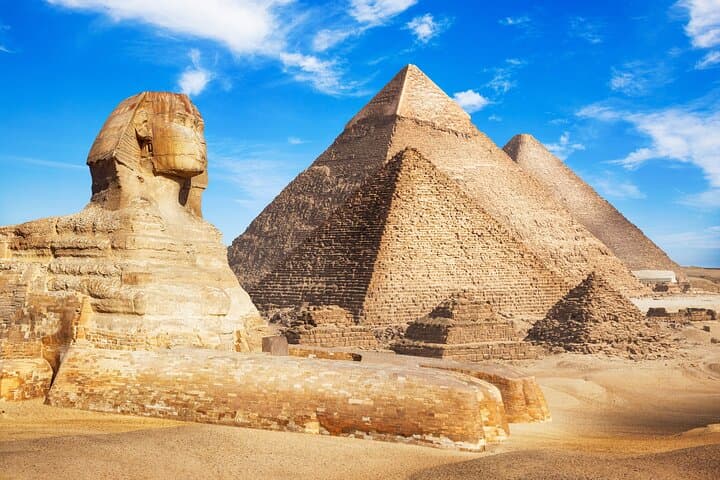
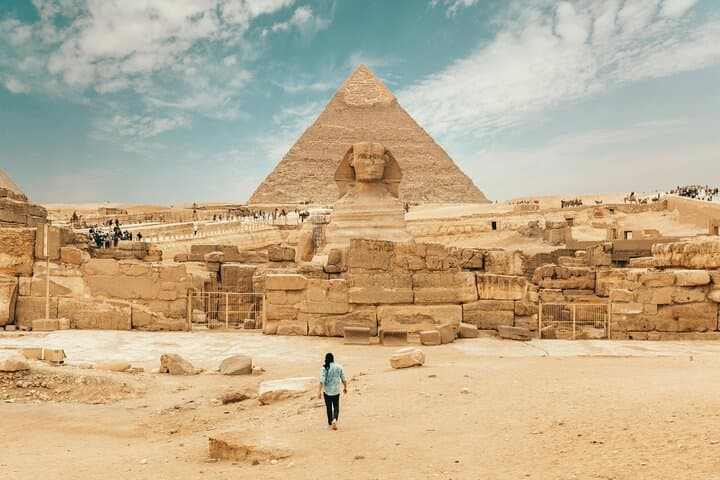
The coach eases onto the desert highway and, after a coastal morning in Alexandria, the skyline changes: a low horizon punctuated by three angular silhouettes. The Pyramids of Giza rise from sun-baked limestone, their faces catching light the way an old map catches a reader's eye. You step onto the Western Plateau where the city of Cairo frames the ancient stones; the air carries dust, diesel, and the faint tang of Nile mud carried upwind.
Verified experiences and guided adventures in the surrounding area.
Operated by NORTH AFRICAN SHIPPING AND TOURISM COMPANY (NASCO TOURS) · Giza, Giza Governorate
The coach eases onto the desert highway and, after a coastal morning in Alexandria, the skyline changes: a low horizon punctuated by three angular silhouettes. The Pyramids of Giza rise from sun-baked limestone, their faces catching light the way an old map catches a reader's eye. You step onto the Western Plateau where the city of Cairo frames the ancient stones; the air carries dust, diesel, and the faint tang of Nile mud carried upwind.
These monuments date to Egypt's Old Kingdom—most famously the Great Pyramid built for Pharaoh Khufu around 2560 BCE—carved from local limestone and sited where the Nile's annual flood once made transport of heavy stone possible. The plateau's geology is compacted marine sediments; wind and time have sandpapered details but left monumental form. Nearby, the Sphinx keeps its watch, a weathered guardian with a modern city's hum at its feet.
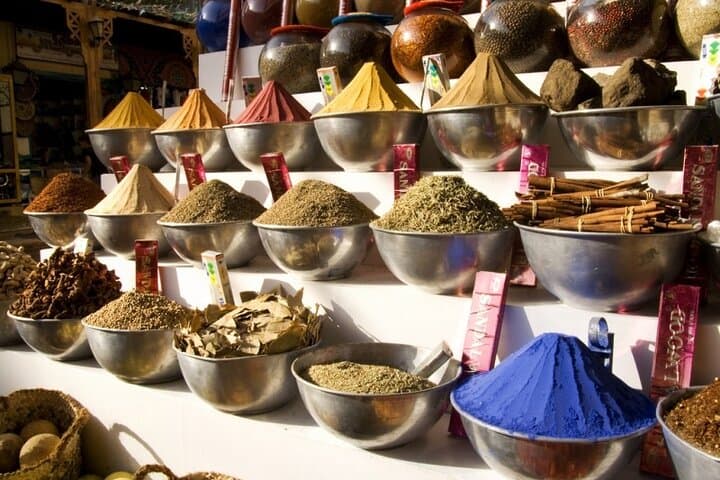
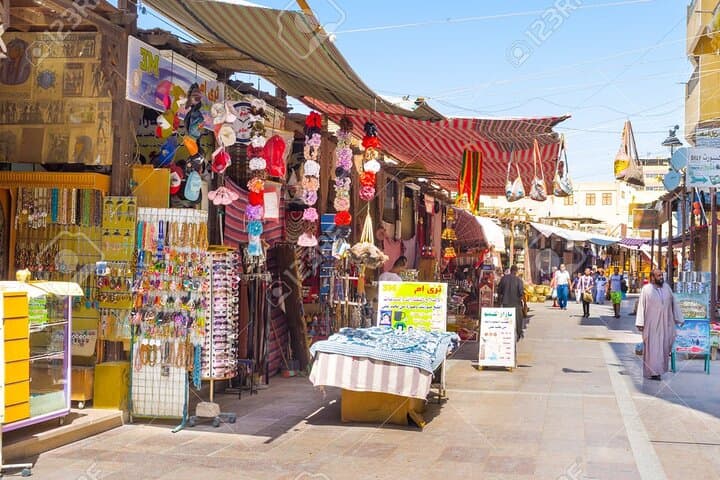
Culture arrives in small, human-scale moments: a guide translating hieroglyphs into narrative, papyrus sheets drying in the sun at the Papyrus Institute, and the clamor of an Oriental bazaar where bargaining replaces fixed prices. Practicalities: this is a full-day, private tour with air-conditioned transport and a specialized guide, so plan for 9–10 hours away from your hotel.
Wear sturdy shoes for uneven stones, bring sun protection and a large water bottle, and keep passports handy for site entry. Expect walking on compacted sand and flagstone, brief clustered crowds near the monuments, and a schedule that mixes guided stops with short free time for photos and shopping. Respect site rules—no climbing—and set aside small local currency for restroom fees, tips, and souvenirs.
easy.
9–10 hours.
Suitable for most travelers who can walk short distances and stand for photos; expect multiple short walks over uneven ground.
Per the itinerary, admission to the Giza Plateau and the Chephren area is included; confirm any extra optional entries (like internal pyramid access) at booking.
Yes — the tour provides pickup from Alexandria hotels; you’ll supply your pickup point when booking.
The plateau has uneven ground, sandy patches and some steps; travelers with significant mobility limitations should check with the operator in advance about vehicle-drop locations and assistance.
Photography of the exterior monuments and Sphinx is allowed; drone use is prohibited and flash or tripod rules may vary—follow guide and site signage.
The Giza monuments were built in Egypt’s Fourth Dynasty (c. 2600 BCE) as royal mortuary complexes; the area has been a continuous focal point of pilgrimage, study and tourism for millennia.
The site faces erosion and visitor-impact pressures; follow guide directions, avoid touching blocks, and use official paths to help preserve fragile stone and archaeological context.
NORTH AFRICAN SHIPPING AND TOURISM COMPANY (NASCO TOURS) operates guided outdoor trips and adventures with an emphasis on safety, stewardship, and memorable experiences.
The coach eases onto the desert highway and, after a coastal morning in Alexandria, the skyline changes: a low horizon punctuated by three angular silhouettes. The Pyramids of Giza rise from sun-baked limestone, their faces catching light the way an old map catches a reader's eye. You step onto the Western Plateau where the city of Cairo frames the ancient stones; the air carries dust, diesel, and the faint tang of Nile mud carried upwind.
The coach eases onto the desert highway and, after a coastal morning in Alexandria, the skyline changes: a low horizon punctuated by three angular silhouettes. The Pyramids of Giza rise from sun-baked limestone, their faces catching light the way an old map catches a reader's eye. You step onto the Western Plateau where the city of Cairo frames the ancient stones; the air carries dust, diesel, and the faint tang of Nile mud carried upwind.
These monuments date to Egypt's Old Kingdom—most famously the Great Pyramid built for Pharaoh Khufu around 2560 BCE—carved from local limestone and sited where the Nile's annual flood once made transport of heavy stone possible. The plateau's geology is compacted marine sediments; wind and time have sandpapered details but left monumental form. Nearby, the Sphinx keeps its watch, a weathered guardian with a modern city's hum at its feet.
Culture arrives in small, human-scale moments: a guide translating hieroglyphs into narrative, papyrus sheets drying in the sun at the Papyrus Institute, and the clamor of an Oriental bazaar where bargaining replaces fixed prices. Practicalities: this is a full-day, private tour with air-conditioned transport and a specialized guide, so plan for 9–10 hours away from your hotel.
Wear sturdy shoes for uneven stones, bring sun protection and a large water bottle, and keep passports handy for site entry. Expect walking on compacted sand and flagstone, brief clustered crowds near the monuments, and a schedule that mixes guided stops with short free time for photos and shopping. Respect site rules—no climbing—and set aside small local currency for restroom fees, tips, and souvenirs.