THE ADVENTURE COLLECTIVE® · Independent discovery and booking for outdoor travel

Four days of high-altitude trekking across the Simien plateau, where dramatic escarpments, endemic wildlife and village coffee ceremonies meet steep, rocky trails. This guided, camping-based route covers Sankaber, Gich and Chennek with views toward Ras Dashen.
Four days of high-altitude trekking across the Simien plateau, where dramatic escarpments, endemic wildlife and village coffee ceremonies meet steep, rocky trails. This guided, camping-based route covers Sankaber, Gich and Chennek with views toward Ras Dashen.
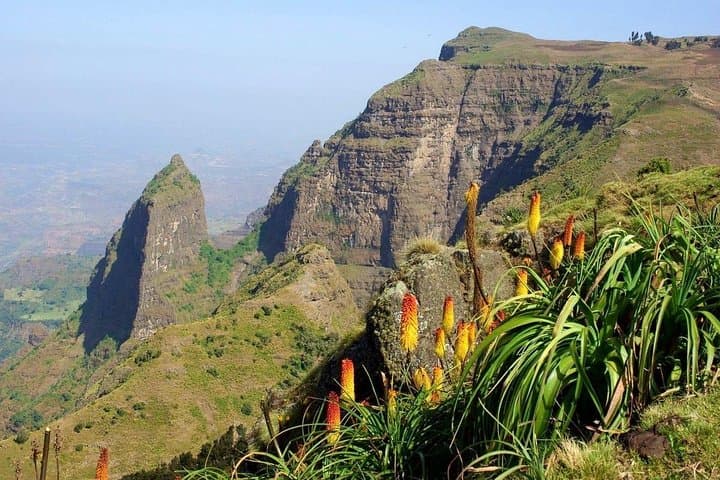
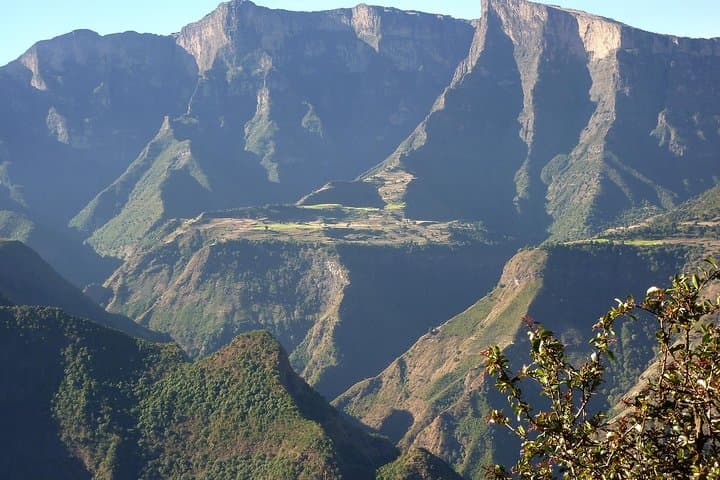
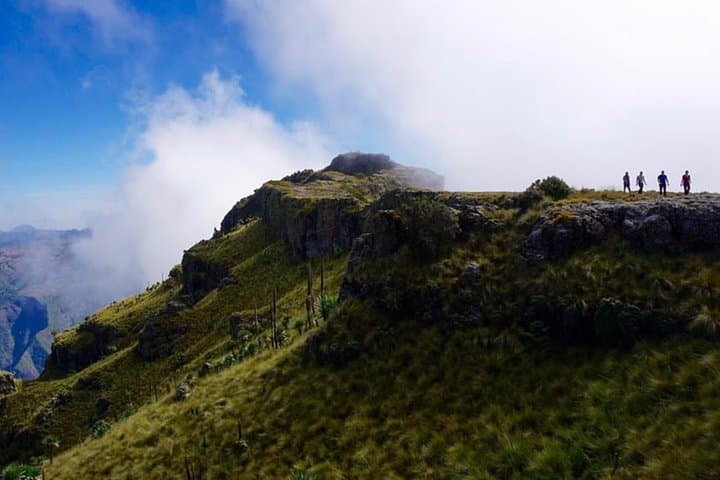
The trail opens on a high, wind-etched escarpment where a cold sun slides over tabletop plateaus and the air tastes like iron and grass. You climb from Sankaber’s grassy campsites past fields of towering lobelia, then walk ridgelines that drop away into dizzying abysses. Gelada baboons bob and forage on the slopes, and the Jinbar River hurls itself off cliffs in a waterfall you can hear before you see.
Verified experiences and guided adventures in the surrounding area.
Operated by WALK IN ETHIOPIA TOUR AND TRAVEL · Debark, Amhara Region
The trail opens on a high, wind-etched escarpment where a cold sun slides over tabletop plateaus and the air tastes like iron and grass. You climb from Sankaber’s grassy campsites past fields of towering lobelia, then walk ridgelines that drop away into dizzying abysses. Gelada baboons bob and forage on the slopes, and the Jinbar River hurls itself off cliffs in a waterfall you can hear before you see.
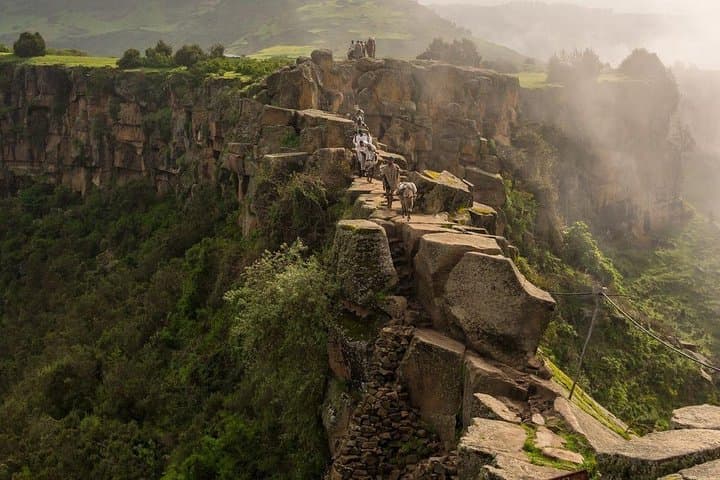
The Simien Mountains are a product of ancient volcanic uplift and erosive canyons; cliffs and domes show where basalt and volcanic plugs resisted millennia of weather. The park, a UNESCO World Heritage Site, has long been a cultural boundary between highland Amhara farmers and the wilderness—villages still host coffee ceremonies and maintain barley terraces carved into the slopes.
Expect long, high-altitude days: Sankaber to Gich, then up to Imet-Gogo and descents into Jinbar valleys, with camp nights under sharp, starry cold. Wildlife highlights include the endemic Walia ibex and the gelada’s red bib; lammergeyer and thick-billed ravens patrol thermals.
Practical essentials: acclimatize in Gondar or Debark, carry layers for large diurnal swings, and use a sleeping bag rated for sub-freezing nights. Trails are steep and rocky—good boots, trekking poles, and 3–4 liters of water capacity make the trip safer and more enjoyable. Guides handle permits, camping gear and meals, but bring personal snacks, a basic first-aid kit, and respect local customs when visiting villages.
challenging.
4 days (approx. 5–8 hours hiking per day).
You should be in good aerobic shape and accustomed to long days of uphill and downhill hiking at high altitude.
Yes—guides or tour operators normally arrange park permits and a mandatory scout; permits are typically handled before or at the park HQ in Debark.
Camps and trail highs are around 3,600–4,000 m; altitude sickness is possible—acclimatize, hydrate, and descend if symptoms worsen.
This itinerary includes camping equipment, meals (breakfast/lunch/dinner as listed), and tented accommodation during the trek—confirm specifics with the operator.
October–March are dry and cooler with clearer skies; June–September receives more rain which makes trails slippery and visibility reduced.
The Simien massif formed through volcanic uplift and subsequent erosion; Gondar nearby was Ethiopia’s 17th-century imperial capital, linking cultural sites with mountain access.
Park rangers and community scouts patrol the area; visitors should stick to trails, pack out waste, and support local guides to reduce ecological impact.
WALK IN ETHIOPIA TOUR AND TRAVEL operates guided outdoor trips and adventures with an emphasis on safety, stewardship, and memorable experiences.
The trail opens on a high, wind-etched escarpment where a cold sun slides over tabletop plateaus and the air tastes like iron and grass. You climb from Sankaber’s grassy campsites past fields of towering lobelia, then walk ridgelines that drop away into dizzying abysses. Gelada baboons bob and forage on the slopes, and the Jinbar River hurls itself off cliffs in a waterfall you can hear before you see.
The trail opens on a high, wind-etched escarpment where a cold sun slides over tabletop plateaus and the air tastes like iron and grass. You climb from Sankaber’s grassy campsites past fields of towering lobelia, then walk ridgelines that drop away into dizzying abysses. Gelada baboons bob and forage on the slopes, and the Jinbar River hurls itself off cliffs in a waterfall you can hear before you see.
The Simien Mountains are a product of ancient volcanic uplift and erosive canyons; cliffs and domes show where basalt and volcanic plugs resisted millennia of weather. The park, a UNESCO World Heritage Site, has long been a cultural boundary between highland Amhara farmers and the wilderness—villages still host coffee ceremonies and maintain barley terraces carved into the slopes.
Expect long, high-altitude days: Sankaber to Gich, then up to Imet-Gogo and descents into Jinbar valleys, with camp nights under sharp, starry cold. Wildlife highlights include the endemic Walia ibex and the gelada’s red bib; lammergeyer and thick-billed ravens patrol thermals.
Practical essentials: acclimatize in Gondar or Debark, carry layers for large diurnal swings, and use a sleeping bag rated for sub-freezing nights. Trails are steep and rocky—good boots, trekking poles, and 3–4 liters of water capacity make the trip safer and more enjoyable. Guides handle permits, camping gear and meals, but bring personal snacks, a basic first-aid kit, and respect local customs when visiting villages.