THE ADVENTURE COLLECTIVE® · Independent discovery and booking for outdoor travel

A full-day guided hike linking Simatai and Jinshanling gives photographers and active travelers steep stone ramps, frequent watchtowers, and long exposed ridgelines — all reachable from Beijing in under three hours by road. Expect uneven steps, dramatic views, and a local lunch after the climb.
A full-day guided hike linking Simatai and Jinshanling gives photographers and active travelers steep stone ramps, frequent watchtowers, and long exposed ridgelines — all reachable from Beijing in under three hours by road. Expect uneven steps, dramatic views, and a local lunch after the climb.
You pull away from Beijing before sunrise and the city fades into rice fields and reservoirs; the Great Wall grows from the hills like an ancient spine, each tower a small challenge waiting in the pale light. At Simatai, the stone climbs steeply and irregularly — steps vary in height, flags of wind and weather worn into the mortar — and the guide sets a pace that keeps you moving without grinding you down.
Verified experiences and guided adventures in the surrounding area.
Operated by China Theme Tour · Beijing, Beijing
You pull away from Beijing before sunrise and the city fades into rice fields and reservoirs; the Great Wall grows from the hills like an ancient spine, each tower a small challenge waiting in the pale light. At Simatai, the stone climbs steeply and irregularly — steps vary in height, flags of wind and weather worn into the mortar — and the guide sets a pace that keeps you moving without grinding you down.
These two sections, Simatai and Jinshanling, reveal different chapters of the Wall’s story. Simatai’s steep gradients and closely spaced watchtowers were built for visibility and defense; Jinshanling’s longer stretches and restored crenellations highlight Ming-era engineering and offer wide views across the Hebei grasslands. Geologically the ridge follows quartz-rich bedrock that forces the wall into a series of rises and benches; culturally, farming villages nearby still raise vegetables and make simple food you’ll taste at a local lunch stop.
Expect roughly 3 hours on the wall, uneven terrain, and panoramas that reward steady effort. Practical notes: wear supportive hiking boots, carry at least 1–2 liters of water, and layer for wind and sun. Photography is prime when early light slants across the towers; later the slope can feel hot and exposed. The route is guided and includes transport and lunch, but the stone itself will challenge balance and knees — move deliberately and use trekking poles if you need them. By late afternoon you’ll be back toward Beijing with a different, quieter sense of the landscape and the wall that holds it together.
moderate.
9 hours.
Good cardiovascular fitness and lower-body strength recommended; comfortable with steep, uneven stairs and several hours of walking.
It’s a medium-level hike with steep, uneven stone steps and sections of loose footing; the guided pace and breaks make it manageable for fit walkers used to stairs and hill trails.
Yes — this private day tour includes an English-speaking guide, entrance fees, private transport, and a local lunch as listed in the tour inclusions.
Not recommended for travelers with spinal, heart problems, or significant mobility limitations due to steep, irregular steps and sustained climbs.
A mid-zoom lens and a small tripod or monopod are ideal; early light and the many towers offer varied compositions, and batteries can drain quickly in cold or long shoots.
Simatai and Jinshanling are Ming-dynasty sections; their many watchtowers and intact crenellations reflect frontier defense priorities and local stone-working traditions.
Visitors are asked to stay on the wall and marked paths to reduce erosion; local community development projects encourage sustainable tourism and employ guides from nearby villages.
China Theme Tour operates guided outdoor trips and adventures with an emphasis on safety, stewardship, and memorable experiences.
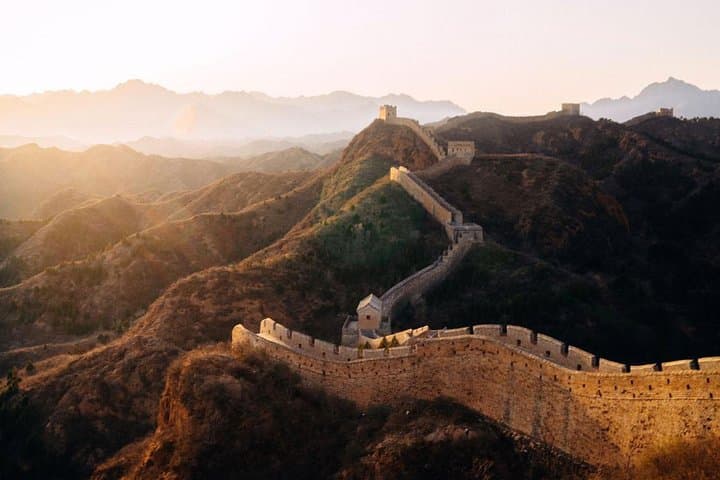
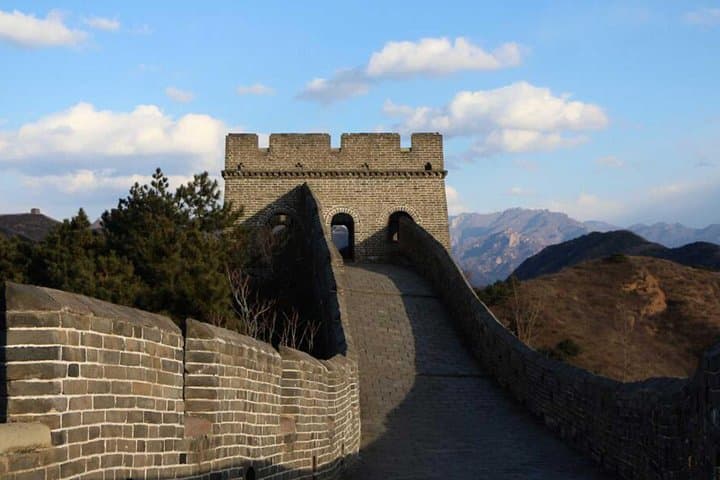
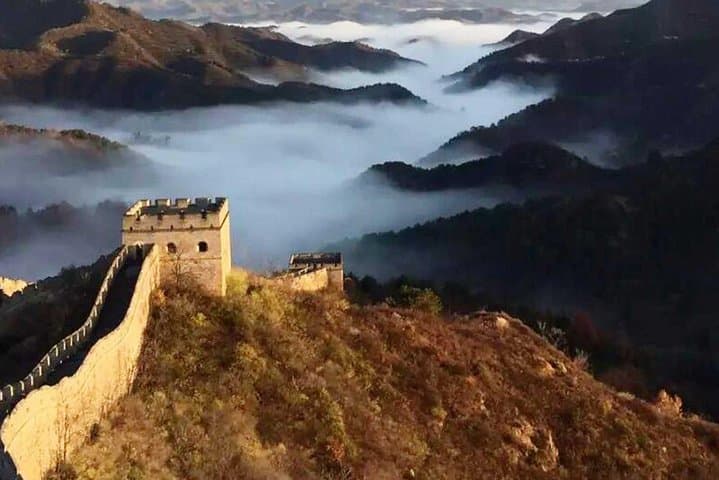
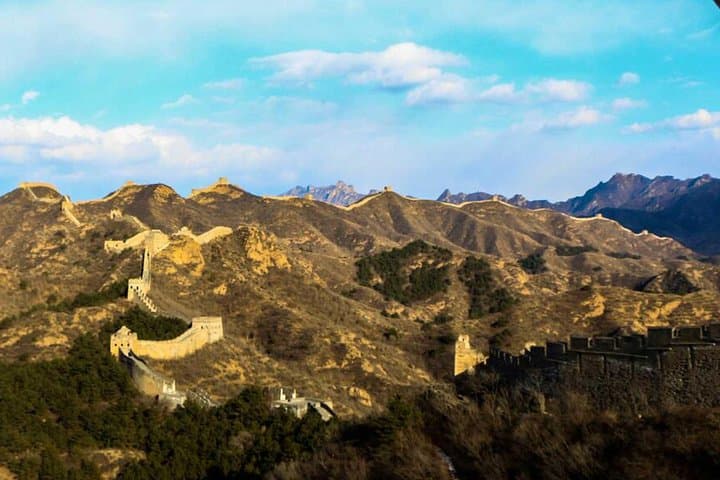
You pull away from Beijing before sunrise and the city fades into rice fields and reservoirs; the Great Wall grows from the hills like an ancient spine, each tower a small challenge waiting in the pale light. At Simatai, the stone climbs steeply and irregularly — steps vary in height, flags of wind and weather worn into the mortar — and the guide sets a pace that keeps you moving without grinding you down.
You pull away from Beijing before sunrise and the city fades into rice fields and reservoirs; the Great Wall grows from the hills like an ancient spine, each tower a small challenge waiting in the pale light. At Simatai, the stone climbs steeply and irregularly — steps vary in height, flags of wind and weather worn into the mortar — and the guide sets a pace that keeps you moving without grinding you down.
These two sections, Simatai and Jinshanling, reveal different chapters of the Wall’s story. Simatai’s steep gradients and closely spaced watchtowers were built for visibility and defense; Jinshanling’s longer stretches and restored crenellations highlight Ming-era engineering and offer wide views across the Hebei grasslands. Geologically the ridge follows quartz-rich bedrock that forces the wall into a series of rises and benches; culturally, farming villages nearby still raise vegetables and make simple food you’ll taste at a local lunch stop.
Expect roughly 3 hours on the wall, uneven terrain, and panoramas that reward steady effort. Practical notes: wear supportive hiking boots, carry at least 1–2 liters of water, and layer for wind and sun. Photography is prime when early light slants across the towers; later the slope can feel hot and exposed. The route is guided and includes transport and lunch, but the stone itself will challenge balance and knees — move deliberately and use trekking poles if you need them. By late afternoon you’ll be back toward Beijing with a different, quieter sense of the landscape and the wall that holds it together.