THE ADVENTURE COLLECTIVE® · Independent discovery and booking for outdoor travel

Witness the spiraling flight of dozens of parrots at the Sima de las Cotorras, then cool off beneath the Aguacero waterfall at Cueva del Encanto. This full-day trip from San Cristóbal combines dramatic karst scenery, birdwatching, and optional rappelling for adventurous travelers.
Witness the spiraling flight of dozens of parrots at the Sima de las Cotorras, then cool off beneath the Aguacero waterfall at Cueva del Encanto. This full-day trip from San Cristóbal combines dramatic karst scenery, birdwatching, and optional rappelling for adventurous travelers.
Before dawn a tourist van slips out of San Cristóbal de las Casas and the road climbs into cloud-washed pine forest. By midmorning you stand at the rim of the Sima de las Cotorras, a broad vertical sinkhole whose sheer walls funnel the noise and movement of hundreds of parrots. They erupt as a single, wheeling column—an instant the canyon seems to breathe and push them skyward.
Verified experiences and guided adventures in the surrounding area.
Operated by OTISA · San Cristóbal de las Casas, Chiapas
Before dawn a tourist van slips out of San Cristóbal de las Casas and the road climbs into cloud-washed pine forest. By midmorning you stand at the rim of the Sima de las Cotorras, a broad vertical sinkhole whose sheer walls funnel the noise and movement of hundreds of parrots. They erupt as a single, wheeling column—an instant the canyon seems to breathe and push them skyward.
The region’s geology is limestone and karst: water has hollowed caves and collapsed roofs over millennia to create dramatic openings like the Sima and the Cueva del Encanto. Culturally, this is Tzotzil and Tzeltal country; nearby San Cristóbal is a colonial-era town where indigenous markets and Spanish architecture meet. Locals value these sites for both ritual and ecotourism, and the best bird show runs from March through October.
At Cueva del Encanto the Aguacero waterfall stages a constant downpour that cools moss-covered rock and feeds shallow pools; trails here are short but can be slick. Optional rappelling into the sinkhole exists for those with prior experience; otherwise most travelers explore rim viewpoints and shaded trails.
Practical guidance: expect an early 4:00 a.m. departure and a full 12–14 hour day including transfers. Wear grippy trail shoes, bring 2 liters of water, sun protection, and a lightweight rain shell for sudden showers. Cameras with zoom lenses capture the bird spirals best; keep distance and don’t feed wildlife. If you have spinal or heart issues or are pregnant, skip the optional vertical activities and opt for the easier walking sections instead.
moderate.
12–14 hours.
Moderate fitness for long transfers and uneven trails; optional rappelling requires upper-body conditioning
The operator schedules an early 4:00 a.m. pickup and the outing runs about 12–14 hours including transfers and time at both sites.
No, rappelling is optional and typically arranged locally for an additional fee and requires prior experience or a guided instruction session.
Breakfast and lunch are not included; allow time for a stop to buy breakfast en route and pack snacks for the trails.
Families can join, but children should be comfortable with long drives and rough trails; the optional vertical activities are not suitable for those with limited mobility.
The highlands around San Cristóbal are historically inhabited by Tzotzil and Tzeltal Maya communities; colonial San Cristóbal grew as a trade and missionary center in the 16th century.
Respect nesting seasons and stay on marked trails; feeding birds and leaving trash disrupts local ecosystems and can harm wildlife populations.
OTISA operates guided outdoor trips and adventures with an emphasis on safety, stewardship, and memorable experiences.
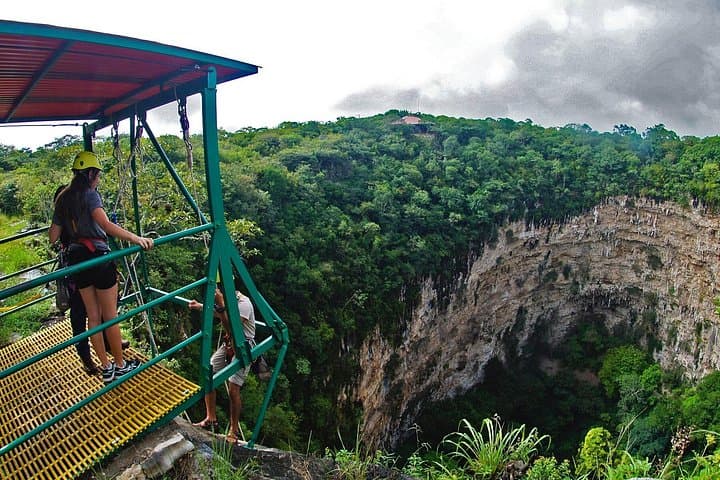
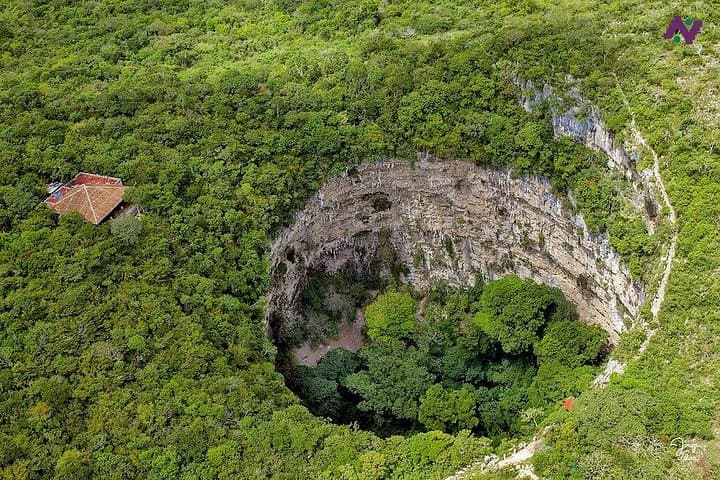
Before dawn a tourist van slips out of San Cristóbal de las Casas and the road climbs into cloud-washed pine forest. By midmorning you stand at the rim of the Sima de las Cotorras, a broad vertical sinkhole whose sheer walls funnel the noise and movement of hundreds of parrots. They erupt as a single, wheeling column—an instant the canyon seems to breathe and push them skyward.
Before dawn a tourist van slips out of San Cristóbal de las Casas and the road climbs into cloud-washed pine forest. By midmorning you stand at the rim of the Sima de las Cotorras, a broad vertical sinkhole whose sheer walls funnel the noise and movement of hundreds of parrots. They erupt as a single, wheeling column—an instant the canyon seems to breathe and push them skyward.
The region’s geology is limestone and karst: water has hollowed caves and collapsed roofs over millennia to create dramatic openings like the Sima and the Cueva del Encanto. Culturally, this is Tzotzil and Tzeltal country; nearby San Cristóbal is a colonial-era town where indigenous markets and Spanish architecture meet. Locals value these sites for both ritual and ecotourism, and the best bird show runs from March through October.
At Cueva del Encanto the Aguacero waterfall stages a constant downpour that cools moss-covered rock and feeds shallow pools; trails here are short but can be slick. Optional rappelling into the sinkhole exists for those with prior experience; otherwise most travelers explore rim viewpoints and shaded trails.
Practical guidance: expect an early 4:00 a.m. departure and a full 12–14 hour day including transfers. Wear grippy trail shoes, bring 2 liters of water, sun protection, and a lightweight rain shell for sudden showers. Cameras with zoom lenses capture the bird spirals best; keep distance and don’t feed wildlife. If you have spinal or heart issues or are pregnant, skip the optional vertical activities and opt for the easier walking sections instead.