THE ADVENTURE COLLECTIVE® · Independent discovery and booking for outdoor travel

Drive the Silvretta High Alpine Road in a private minivan and watch valleys unfold into glaciers, reservoirs and high-mountain passes. This full-day tour from Lake Constance mixes expert commentary, guaranteed window seating and short viewpoint stops for a comprehensive Alpine experience.
Drive the Silvretta High Alpine Road in a private minivan and watch valleys unfold into glaciers, reservoirs and high-mountain passes. This full-day tour from Lake Constance mixes expert commentary, guaranteed window seating and short viewpoint stops for a comprehensive Alpine experience.
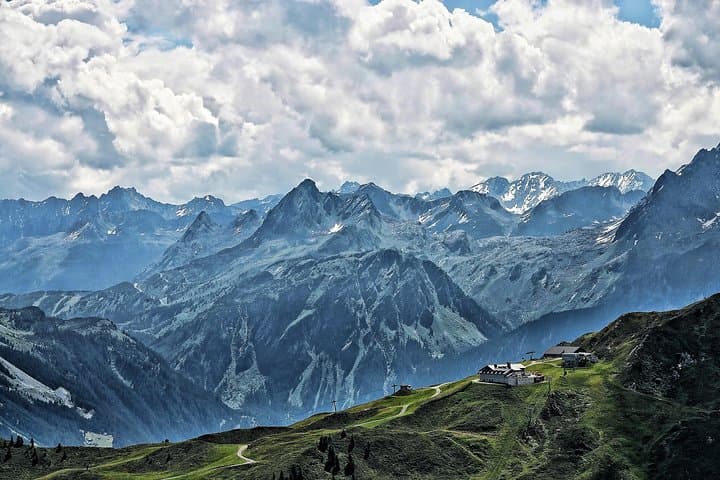
Morning light slides across the minivan window as the road begins to climb — switchbacks open up the valley and the air thins, cool and sharp. You’ll watch farmed meadows drop away and glaciers appear like distant, white promises above the tree line. The Silvretta High Alpine Road dares you to look out; every tight bend produces a new ridge, reservoir or glacier-polished slope.
Verified experiences and guided adventures in the surrounding area.
Operated by Lindauer Reisebuero · Lindau, Bavaria
Morning light slides across the minivan window as the road begins to climb — switchbacks open up the valley and the air thins, cool and sharp. You’ll watch farmed meadows drop away and glaciers appear like distant, white promises above the tree line. The Silvretta High Alpine Road dares you to look out; every tight bend produces a new ridge, reservoir or glacier-polished slope.
The route threads through Vorarlberg and Tirol, linking Montafon’s pastoral valleys to the Bielerhöhe pass and the Silvretta reservoir. Geology here is honest: crystalline gneiss and schist folded by ancient collisions, shaped last by ice into U-shaped valleys and cirques. Culturally the route stitches Alpine farming, hydropower infrastructure and ski-country towns—St. Anton’s mountain culture sits at one end, quiet Montafon hamlets at the other.
Expect a full day (8–10 hours) of scenic driving with short stops for viewpoints, photos and a snack; the road itself rises above 2,000 m at the Bielerhöhe. Practicalities govern the pleasure: layers for rapid weather changes, steady footwear for short strolls at overlooks, and sunscreen for high-altitude sun. Guides provide commentary and bottled water; if you’re prone to motion sensitivity, pick a front-seat view and plan stops.
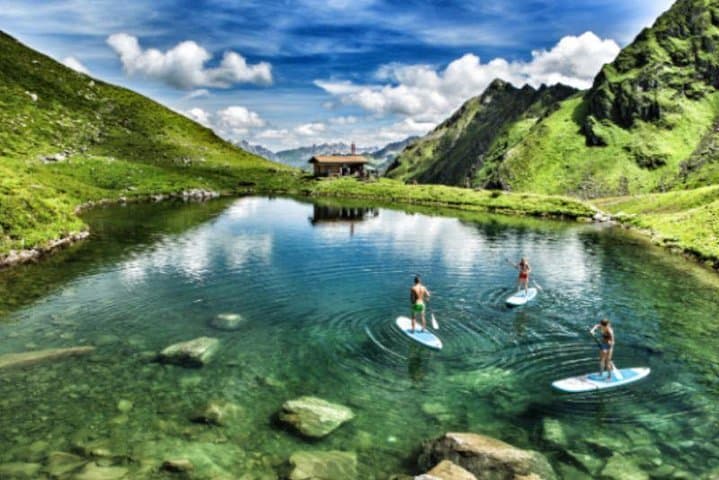
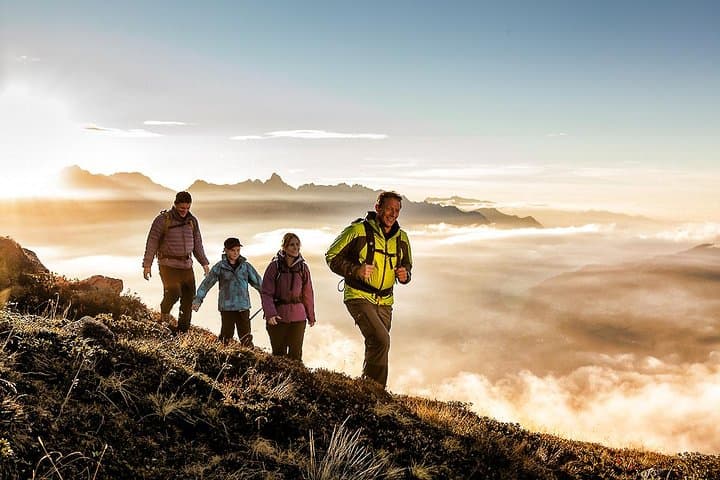
Photographers will chase reflections at the Silvretta reservoir; hikers can stretch on alpine trails off the main road. Respect fragile alpine vegetation, follow guide instructions at high elevations, and time the trip early in the day for clearer light and less traffic. This is a scenic, accessible way to experience high-Alpine character with minimal exertion but maximum exposure to the mountains.
easy.
8–10 hours.
Suitable for most fitness levels; requires the ability to walk short distances on uneven surfaces during stops and tolerate a day of seated travel.
The tour runs about 8–10 hours depending on traffic and weather; exact pickup and return times are provided at booking and may vary by pickup location.
No — the high-alpine section is seasonal and typically closed in winter due to snow; the tour operates when the road is officially open (usually late spring to early autumn).
Yes — the itinerary includes short stops at viewpoints and villages where toilets and light snacks are available; bottled water and snacks are provided on board as noted in the inclusions.
The tour is primarily a road-based experience with brief walks; passengers who need assistance should indicate this at booking so guides can plan suitable stops and vehicle access.
The Silvretta road and nearby infrastructure grew with mid-20th-century alpine tourism and hydropower development, connecting remote valleys for transport and recreation.
The high-alpine environment is fragile; stick to marked stops, avoid trampling vegetation and pack out all trash to reduce impact on plant and wildlife communities.
Lindauer Reisebuero operates guided outdoor trips and adventures with an emphasis on safety, stewardship, and memorable experiences.
Morning light slides across the minivan window as the road begins to climb — switchbacks open up the valley and the air thins, cool and sharp. You’ll watch farmed meadows drop away and glaciers appear like distant, white promises above the tree line. The Silvretta High Alpine Road dares you to look out; every tight bend produces a new ridge, reservoir or glacier-polished slope.
Morning light slides across the minivan window as the road begins to climb — switchbacks open up the valley and the air thins, cool and sharp. You’ll watch farmed meadows drop away and glaciers appear like distant, white promises above the tree line. The Silvretta High Alpine Road dares you to look out; every tight bend produces a new ridge, reservoir or glacier-polished slope.
The route threads through Vorarlberg and Tirol, linking Montafon’s pastoral valleys to the Bielerhöhe pass and the Silvretta reservoir. Geology here is honest: crystalline gneiss and schist folded by ancient collisions, shaped last by ice into U-shaped valleys and cirques. Culturally the route stitches Alpine farming, hydropower infrastructure and ski-country towns—St. Anton’s mountain culture sits at one end, quiet Montafon hamlets at the other.
Expect a full day (8–10 hours) of scenic driving with short stops for viewpoints, photos and a snack; the road itself rises above 2,000 m at the Bielerhöhe. Practicalities govern the pleasure: layers for rapid weather changes, steady footwear for short strolls at overlooks, and sunscreen for high-altitude sun. Guides provide commentary and bottled water; if you’re prone to motion sensitivity, pick a front-seat view and plan stops.
Photographers will chase reflections at the Silvretta reservoir; hikers can stretch on alpine trails off the main road. Respect fragile alpine vegetation, follow guide instructions at high elevations, and time the trip early in the day for clearer light and less traffic. This is a scenic, accessible way to experience high-Alpine character with minimal exertion but maximum exposure to the mountains.