THE ADVENTURE COLLECTIVE® · Independent discovery and booking for outdoor travel

Spend a concise half-day exploring Añashuayco’s white sillar quarries outside Arequipa. Watch traditional stone cutting, learn how the volcanic rock shaped colonial architecture, and return with sweeping views of the city and El Misti.
Spend a concise half-day exploring Añashuayco’s white sillar quarries outside Arequipa. Watch traditional stone cutting, learn how the volcanic rock shaped colonial architecture, and return with sweeping views of the city and El Misti.
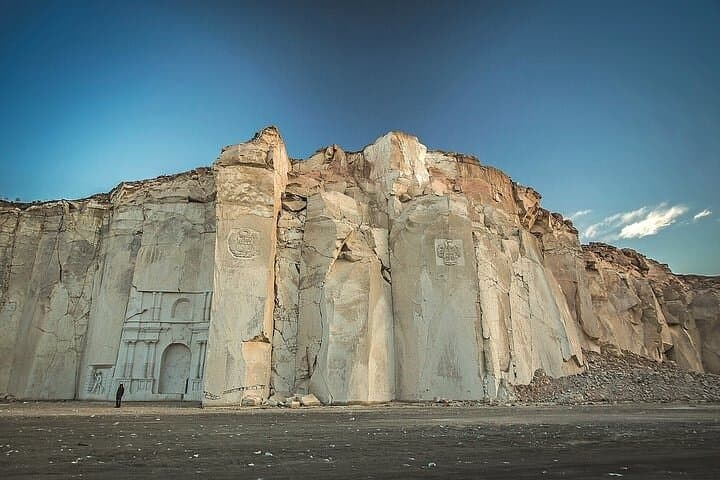
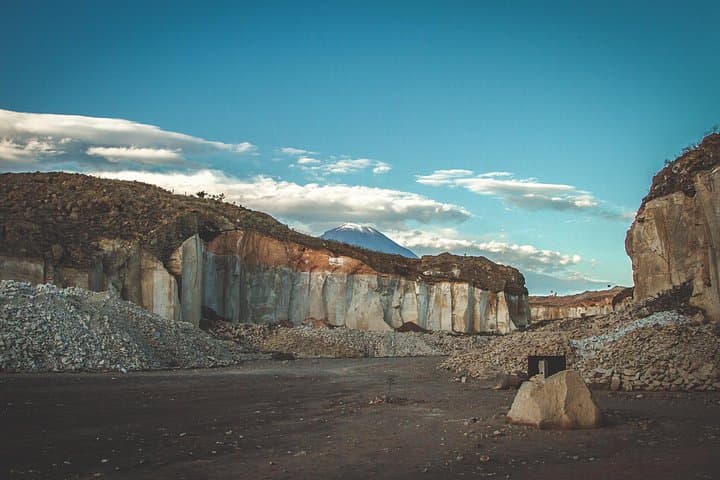
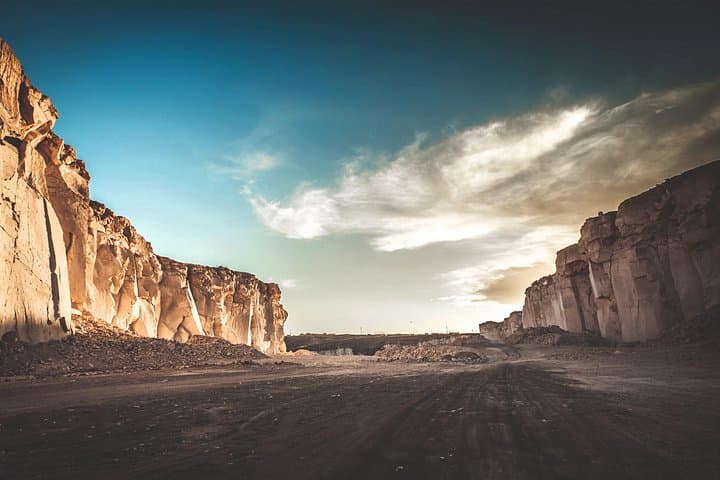
You step out of the car into high, dry air and the pale face of volcanic stone — the Añashuayco quarries cut like terraces into the hills a few minutes from Arequipa. Men and young apprentices move with practiced rhythm, chisels and wedges shaping massive white blocks that have built the city below. Dust lifts and hangs in the sun; in the distance, El Misti keeps a quiet watch.
Verified experiences and guided adventures in the surrounding area.
Operated by LimaTours · Arequipa, Arequipa
You step out of the car into high, dry air and the pale face of volcanic stone — the Añashuayco quarries cut like terraces into the hills a few minutes from Arequipa. Men and young apprentices move with practiced rhythm, chisels and wedges shaping massive white blocks that have built the city below. Dust lifts and hangs in the sun; in the distance, El Misti keeps a quiet watch.
The sillar here is a volcanic tuff erupted from nearby volcanoes and compacted into a light, workable stone. Spaniards and local masons used it through colonial times to shape Arequipa’s plazas, churches, and mansions; walking the route places you on the working edge of that architectural story. Cultural customs and informal quarrying techniques persist — ask your bilingual guide about traditional cutting methods and the social history of quarry workers.
Geology is on display: columnar faces, saw marks, and the grain of volcanic ash tell a landscape-formation story, while the route offers clear views back across Arequipa’s white cityscape.
Practical guidance: this private three-hour tour involves short walks on uneven, stony ground and occasional steps. Bring sunscreen, a brimmed hat, and good shoes; the altitude (Arequipa ~2,300 m) amplifies sun and exertion. Morning light is best for photos and cooler temperatures; afternoon tours showcase long shadows across the quarry walls. Hotel pickup from the historic center is included, and the pace is approachable for most fitness levels. Respect active work areas, follow your guide’s instructions near cliffs and machinery, and leave room in your itinerary to visit the city’s sillar-built cathedral afterward.
easy.
3 hours.
Light walking on uneven, rocky ground; suitable for most adults with basic mobility
Pickup is provided from hotels located in Arequipa’s Historic Center; confirm your hotel name when booking.
Yes—children may join but must be accompanied by an adult; infants should sit on an adult’s lap during transfer.
No technical climbing is required; expect short walks on uneven ground and some stairs or terraces.
Photography is generally allowed, but ask workers for permission before close-up shots and follow your guide’s direction near active cutting areas.
Sillar is a volcanic tuff that became the primary building stone during the Spanish colonial era; many of Arequipa’s landmark buildings were cut and assembled from this same material.
Quarrying is still active but regulated; stay on designated paths to avoid damaging archaeological or industrial features and support operators who follow local safety and reclamation practices.
LimaTours operates guided outdoor trips and adventures with an emphasis on safety, stewardship, and memorable experiences.
You step out of the car into high, dry air and the pale face of volcanic stone — the Añashuayco quarries cut like terraces into the hills a few minutes from Arequipa. Men and young apprentices move with practiced rhythm, chisels and wedges shaping massive white blocks that have built the city below. Dust lifts and hangs in the sun; in the distance, El Misti keeps a quiet watch.
You step out of the car into high, dry air and the pale face of volcanic stone — the Añashuayco quarries cut like terraces into the hills a few minutes from Arequipa. Men and young apprentices move with practiced rhythm, chisels and wedges shaping massive white blocks that have built the city below. Dust lifts and hangs in the sun; in the distance, El Misti keeps a quiet watch.
The sillar here is a volcanic tuff erupted from nearby volcanoes and compacted into a light, workable stone. Spaniards and local masons used it through colonial times to shape Arequipa’s plazas, churches, and mansions; walking the route places you on the working edge of that architectural story. Cultural customs and informal quarrying techniques persist — ask your bilingual guide about traditional cutting methods and the social history of quarry workers.
Geology is on display: columnar faces, saw marks, and the grain of volcanic ash tell a landscape-formation story, while the route offers clear views back across Arequipa’s white cityscape.
Practical guidance: this private three-hour tour involves short walks on uneven, stony ground and occasional steps. Bring sunscreen, a brimmed hat, and good shoes; the altitude (Arequipa ~2,300 m) amplifies sun and exertion. Morning light is best for photos and cooler temperatures; afternoon tours showcase long shadows across the quarry walls. Hotel pickup from the historic center is included, and the pace is approachable for most fitness levels. Respect active work areas, follow your guide’s instructions near cliffs and machinery, and leave room in your itinerary to visit the city’s sillar-built cathedral afterward.