THE ADVENTURE COLLECTIVE® · Independent discovery and booking for outdoor travel

Walk through the pale canyons where Arequipa’s signature sillar stone is cut, carved and taught. This half‑day guided tour of Anashuayco quarry blends geology, hands‑on stone cutting, and cultural history.
Walk through the pale canyons where Arequipa’s signature sillar stone is cut, carved and taught. This half‑day guided tour of Anashuayco quarry blends geology, hands‑on stone cutting, and cultural history.
You leave Arequipa just after sunrise and the city’s white façades recede as the road climbs into volcanic canyons. Light finds the pale walls of Anashuayco quarry and bounces off faces of sillar — the soft, ash‑rich ignimbrite that built Arequipa. Wind moves through carved niches; echoes carry the rhythmic tap of chisels where masons shape blocks by hand.
Verified experiences and guided adventures in the surrounding area.
Operated by Trek The Colca · Arequipa, Arequipa
You leave Arequipa just after sunrise and the city’s white façades recede as the road climbs into volcanic canyons. Light finds the pale walls of Anashuayco quarry and bounces off faces of sillar — the soft, ash‑rich ignimbrite that built Arequipa. Wind moves through carved niches; echoes carry the rhythmic tap of chisels where masons shape blocks by hand.
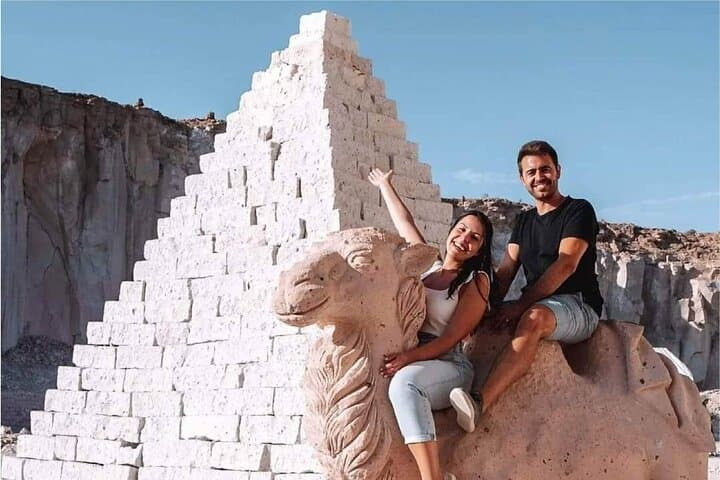
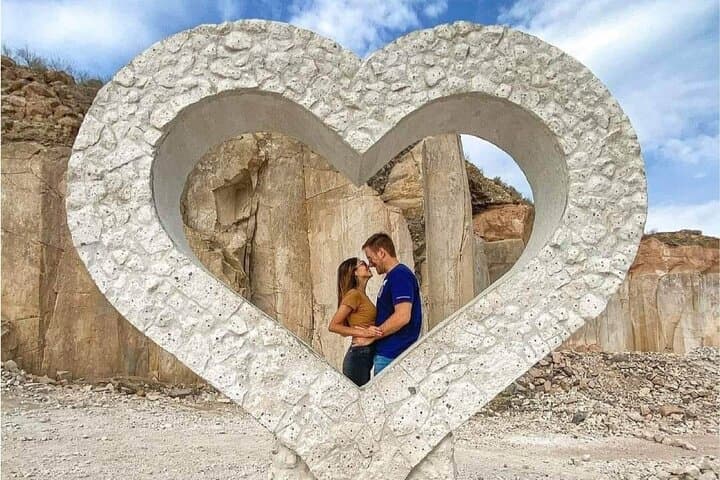
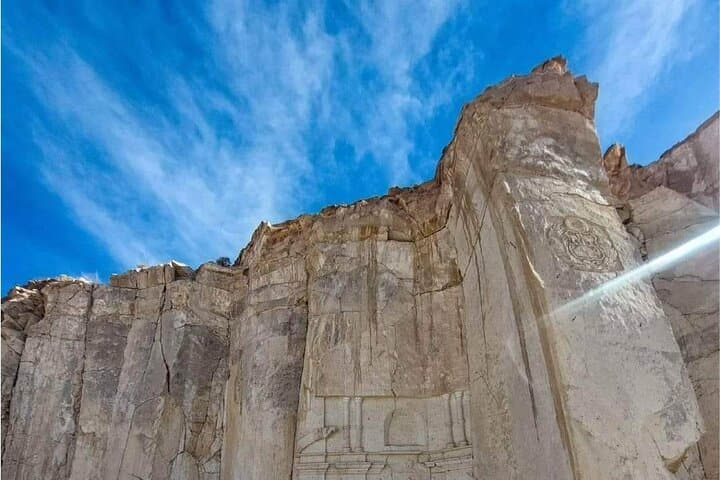
Geology here reads like a brief earth history: massive pyroclastic flows cooled into ignimbrite, later weathered into the workable white stone called sillar. Culturally, that stone became the backbone of colonial churches and civic buildings, giving Arequipa its nickname, the “White City.” The quarry is both workplace and open‑air gallery; you'll see reliefs and sculpture cut directly into the walls, and experienced cutters will show you traditional techniques and let you try a simple cut yourself.
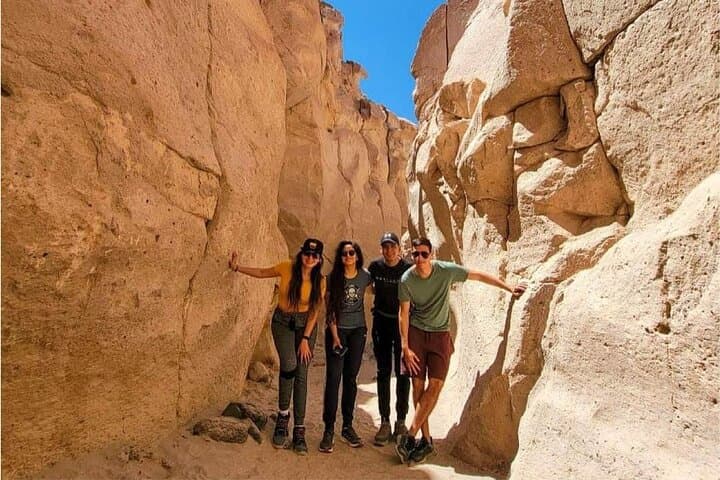
Expect dry dust, bright sun, and cool shade in canyon clefts. The tour moves slowly — walking across uneven, stony surfaces with short demonstration stops. Photography is rewarding: details of tooling marks, beasts and saints hewn into rock, and wide canyon frames.
Practical tips: wear closed‑toe shoes with good traction, bring 1–2 liters of water, sun protection, and layers for morning chill. The visit is educational and accessible for most fitness levels, but observe safety zones around active working faces and follow your guide’s instructions. This half‑day outing pairs well with a walking tour of Arequipa’s historic center later in the day.
easy.
3–4 hours.
Suitable for most fitness levels; requires short walks on uneven terrain and standing during demonstrations.
The tour is approximately 4 hours and typically departs Arequipa at 8:30 AM, returning in the early afternoon.
No prior skill is needed; guides and local masons provide instruction and supervise hands‑on attempts.
Yes—visitors must stay within guided areas, wear appropriate footwear, and avoid active cutting faces unless accompanied by staff.
Yes, the tour includes pickup and drop‑off by air‑conditioned vehicle as part of the booking.
Sillar stone—an ignimbrite formed from ancient volcanic ash—has been quarried around Arequipa for centuries and shaped the city’s colonial architecture.
The quarries remain working sites; stick to pathways, avoid taking rock samples, and support guides who practice responsible access to minimize disturbance.
Trek The Colca operates guided outdoor trips and adventures with an emphasis on safety, stewardship, and memorable experiences.
You leave Arequipa just after sunrise and the city’s white façades recede as the road climbs into volcanic canyons. Light finds the pale walls of Anashuayco quarry and bounces off faces of sillar — the soft, ash‑rich ignimbrite that built Arequipa. Wind moves through carved niches; echoes carry the rhythmic tap of chisels where masons shape blocks by hand.
You leave Arequipa just after sunrise and the city’s white façades recede as the road climbs into volcanic canyons. Light finds the pale walls of Anashuayco quarry and bounces off faces of sillar — the soft, ash‑rich ignimbrite that built Arequipa. Wind moves through carved niches; echoes carry the rhythmic tap of chisels where masons shape blocks by hand.
Geology here reads like a brief earth history: massive pyroclastic flows cooled into ignimbrite, later weathered into the workable white stone called sillar. Culturally, that stone became the backbone of colonial churches and civic buildings, giving Arequipa its nickname, the “White City.” The quarry is both workplace and open‑air gallery; you'll see reliefs and sculpture cut directly into the walls, and experienced cutters will show you traditional techniques and let you try a simple cut yourself.
Expect dry dust, bright sun, and cool shade in canyon clefts. The tour moves slowly — walking across uneven, stony surfaces with short demonstration stops. Photography is rewarding: details of tooling marks, beasts and saints hewn into rock, and wide canyon frames.
Practical tips: wear closed‑toe shoes with good traction, bring 1–2 liters of water, sun protection, and layers for morning chill. The visit is educational and accessible for most fitness levels, but observe safety zones around active working faces and follow your guide’s instructions. This half‑day outing pairs well with a walking tour of Arequipa’s historic center later in the day.